
A significant document outlining the UK’s approach to overseas aid now resides on the desk of the new prime minister. It was issued in the closing days of the prior administration, just as political attention waned ahead of parliamentary recess. The Foreign, Commonwealth and Development Office’s annual report sets out how the aid budget will be distributed through 2029. Released at a time of minimal public or political oversight, the timing suggests an attempt to avoid scrutiny. For Andy Burnham, the incoming prime minister, this document may signal a continuation of the UK’s retreat from funding the world’s most vulnerable populations. The report is structured to make it difficult for Burnham to alter course within the first few years of his leadership. For example, Malawi, a country where 75% of people still lack access to electricity, is expected to receive a drastic reduction in funding. Its £50.2 million aid allocation will drop to just £5 million by the 2028-29 financial year. This reflects a broader trend across Africa, where bilateral support has already declined sharply and is set to fall by more than half over the same period.
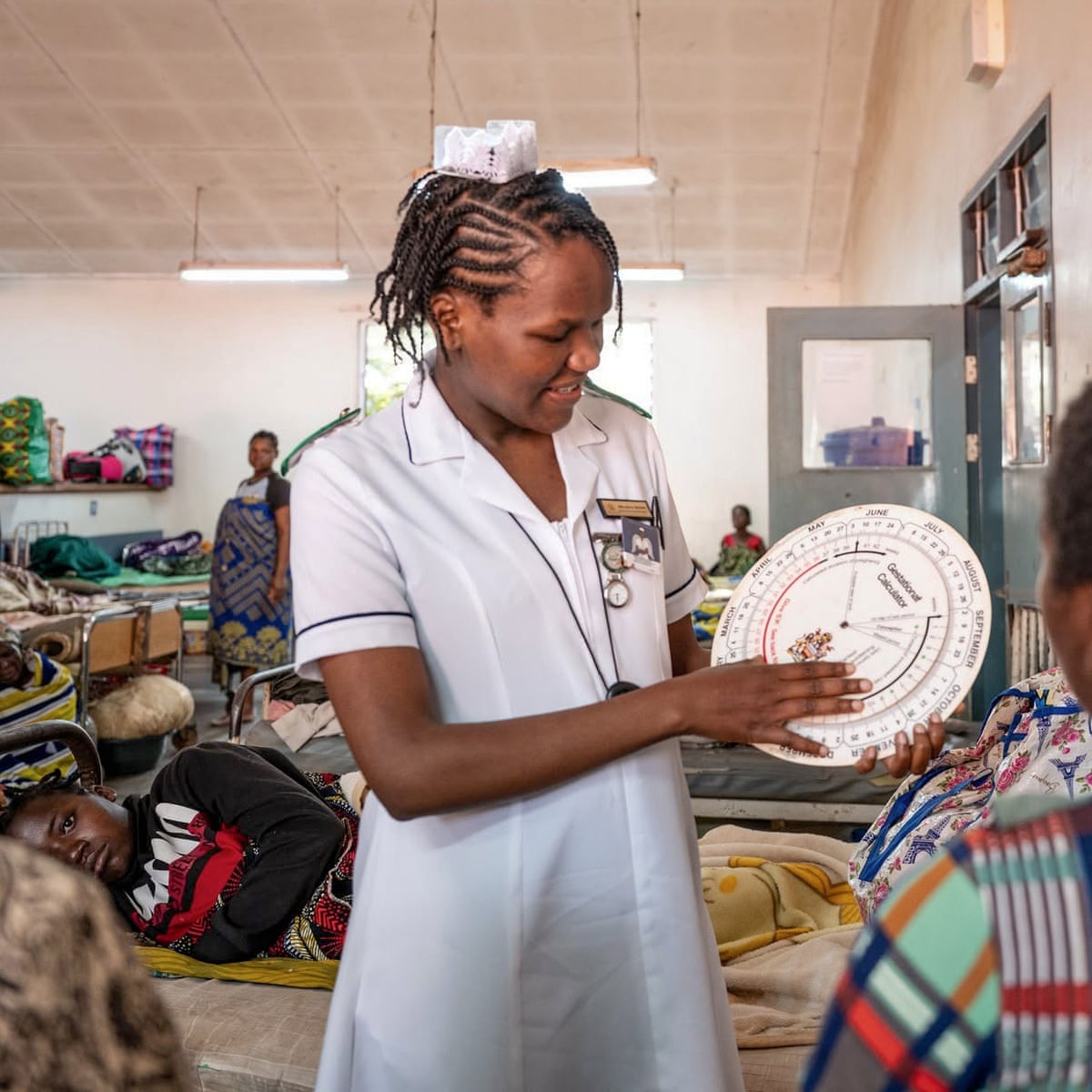
The overall picture shows a UK aid budget that has already been reduced, with further cuts planned. The £13 billion aid budget, already considered low by historical standards, will shrink by £6.5 billion over the next four years. The outgoing administration, under Keir Starmer, was aware of the consequences. The Foreign Office’s own equality assessment admits that these cuts will have negative effects on the populations they aim to support. The Wish reproductive health programme, for example, which is among the few described as “relatively protected,” has already faced a 30% cut. As a result, it will now prevent 9,500 maternal deaths in vulnerable African countries instead of the projected 11,900. This means 2,400 more deaths and an additional 600,000 unsafe abortions than had been expected. These numbers are not just statistics—they represent real people and real lives impacted by policy decisions.
The new aid strategy emphasizes economic returns over humanitarian impact. The FCDO has shifted from being a traditional donor to becoming an investor, redirecting money away from direct service provision and into private-sector initiatives. This change is guided by a new development model that includes phrases like 'donor to investor' and 'service delivery to system support.' In practice, this means the UK is pulling back from funding clinics, schools, and other public infrastructure and is instead focusing on areas that can yield financial returns, such as power grids and telecoms. The British International Investment (BII), a government body tasked with managing these investments, plans to invest up to £8 billion over five years and aims to attract another £6 billion to £7.5 billion from private investors. This approach, however, prioritizes profit over public welfare, moving away from programs that directly address health and education needs.
Geopolitical Priorities Over Human Need
A clear theme in the new aid strategy is the influence of geopolitical interests. The report reveals a shift in how the UK allocates aid, with a growing focus on economic and strategic partnerships. The language of the document reflects this transition, moving away from humanitarian goals and toward systemic economic support. This means fewer funds for immediate aid and more for long-term investments in projects that serve political and economic goals. The FCDO’s report shows a deliberate pivot toward funding initiatives that support trade agreements, diplomatic ties, and market expansion, rather than addressing urgent humanitarian crises. While this strategy may serve the UK’s foreign policy objectives, it raises questions about the ethical responsibility of a country with such historical ties to development.
Another key aspect of the new approach involves routing aid through multilateral institutions like the World Bank. These organizations, while capable and well-resourced, are not directly accountable to the UK public. The government now takes on the role of a 'shareholder' in these institutions, hoping to influence policy from a boardroom rather than from the field. This shift creates a distance between UK taxpayers and the communities meant to benefit from their contributions. Unlike bilateral aid, which is subject to parliamentary oversight, multilateral funding is decided by unelected boards and cannot be directly influenced by public opinion. This arrangement risks undermining transparency and trust, especially in a political climate where accountability is a major concern.
The potential for public backlash is clear. Critics argue that channelling aid through opaque international institutions may stoke the kind of resentment that contributed to Brexit. There is a risk that taxpayers who believe their money is being mismanaged or withheld may push for even greater cuts to the aid budget. For Burnham, the challenge is to align his domestic plans—like expanding public ownership of essential services—with a foreign policy that increasingly depends on market forces and private investors. If he fails to reconcile these two visions, it could lead to a crisis of credibility both at home and abroad. The new aid strategy is not just a policy shift but a test of the government’s commitment to both international development and democratic accountability.