
Wang Jibing didn’t start writing to be read. He wrote to make sense of his life — sweeping streets, navigating traffic, and keeping pace with the city’s hunger for speed. But when his words found an audience, they opened a door to a literary scene that once never looked his way.
His poem, which went viral in 2022, described the exhaustion and the invisible labor of being a delivery rider. It earned him the National Literature Award for Poetry last year — the first time such an award was given to a working-class writer.
From Factories to the Page
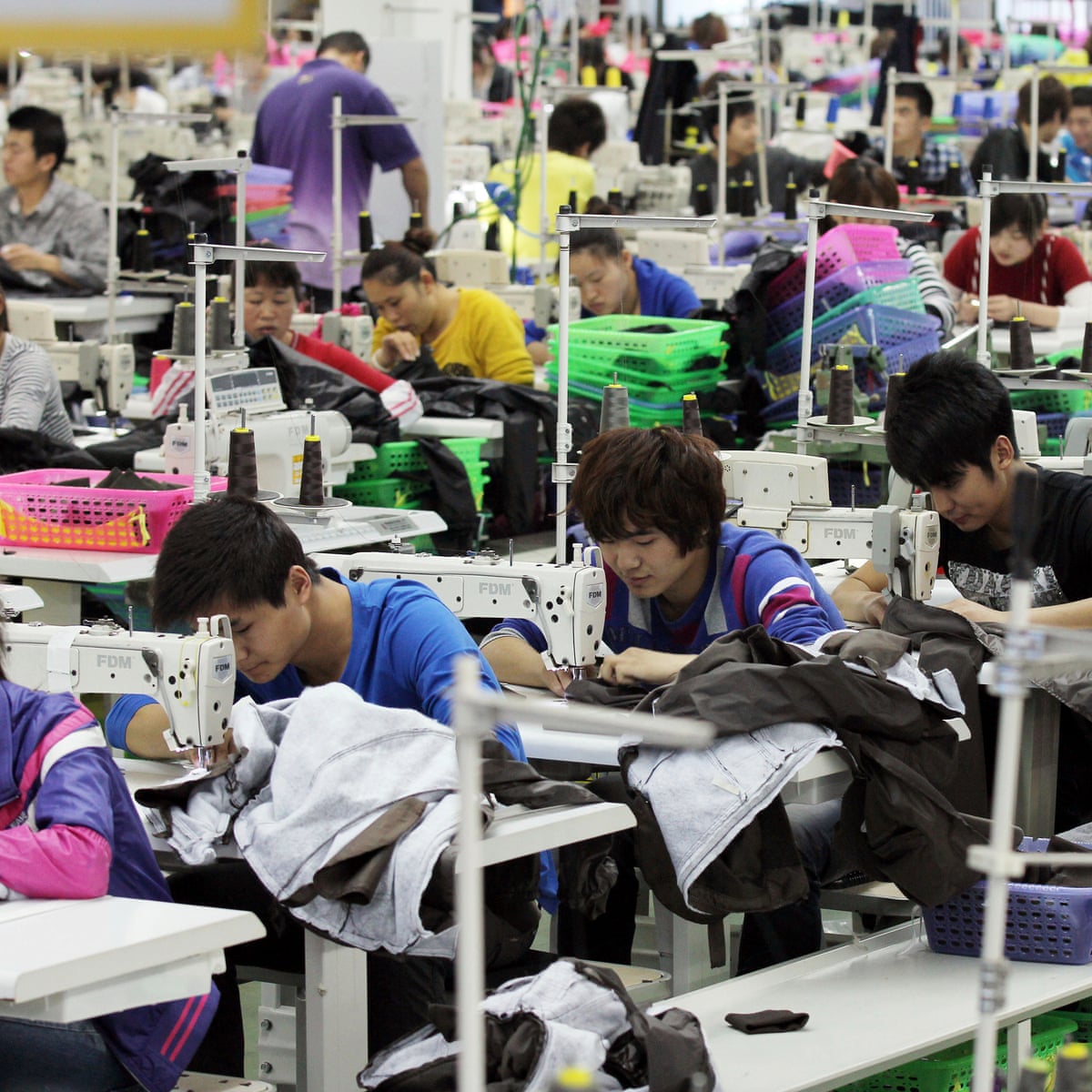
Hu Anyan, a former factory worker, followed a similar path. Her memoir, I Deliver Parcels in Beijing, sold in thousands. It’s a quiet, steady book about how one person fits into a sprawling, indifferent system. Her story is no exception — workers have been writing for decades, but only now is their work finding a place on bookstore shelves.
In the 1900s, writers like Lu Xun documented the lives of the poor to expose social injustice. Under Mao, writing was a tool of the state, meant to glorify labor and the revolution. Poems and essays were supposed to be red, loyal, and loud. That changed after Mao died — the party still dictated what could be written, but the fire had gone out. Grassroots voices were quiet, until now.
Xiao Hai’s memoir, Adrift in the South, published in English in 2024, tells a different kind of story. He didn’t write to glorify factory life. He wrote to say it had cost him — years of his youth, his health, his dreams. In one passage, he admits regret: 'I let the best decade of my life slip away from me on the factory floor.'
The language is raw, not revolutionary. These are not parables of sacrifice but personal accounts of erasure. Poet Xu Lizhi, who worked at Foxconn, wrote about being a screw in a machine — tiny, replaceable. He took his own life in 2014. His poetry survives, but the system he described still does, too.
Published and Purged
Despite their growing readership, many of these writers face limits. Zheng Xiaoqiong, known for Woman Worker, a collection of stories from factory floor laborers, was forced to make major changes to get the book published. Her work is still widely shared online, but not always for long.
The government has little patience for narratives that hint at corruption or call for collective action. Stories that focus on the individual’s struggle, rather than the collective’s strength, are more acceptable — but they can still be deleted with a single click.
Still, the trend is undeniable. A growing number of workers are writing their own stories. They’re not waiting for the state to speak for them. And their words are reaching the world. I Deliver Parcels in Beijing is now in 16 languages. A translated version was published in English in 2023.
That’s an echo, but a rare one. There are still few books written by warehouse workers or nurses on zero-hour contracts in the West. But in China, the working class has found its voice — and it is finally being heard.