
AtkinsRéalis and the U.S. Nuclear Energy Resurgence
Montreal-based engineering services company AtkinsRéalis is intensifying its push in the U.S. nuclear energy market. With its second-quarter performance exceeding expectations, the firm boosted its full-year nuclear revenue forecast for 2026 to $1.93 billion. During the second quarter alone, it recorded nuclear revenue of $479.77 million, a 18.3% jump compared to the same period in the previous year.
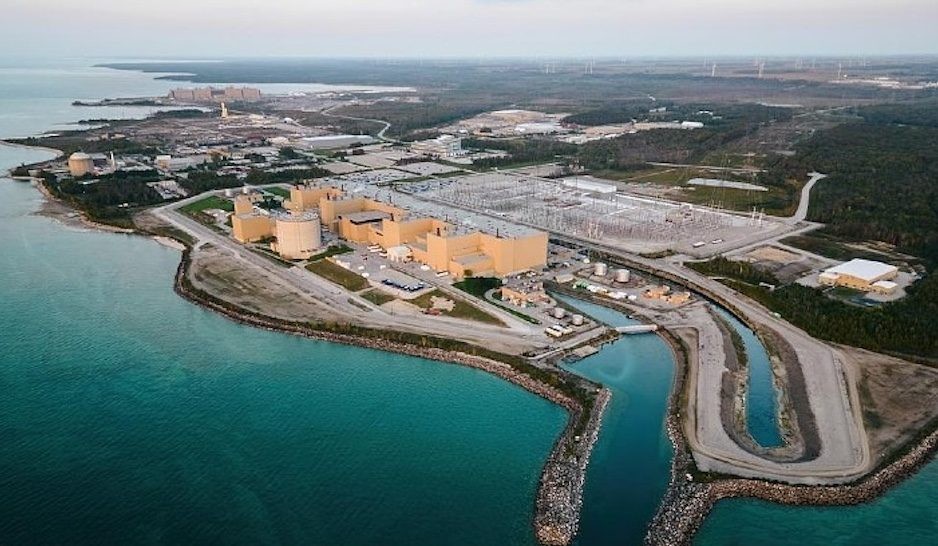
The company is seizing a moment fueled by the global shift toward clean and reliable energy sources. Over the past decade, it has focused on revitalizing aging CANDU reactors, extending their operational lifespan by 35 years. These projects have been completed on time and within budget, a rarity in an industry often plagued by delays and cost overruns.
In addition to retrofitting existing reactors, AtkinsRéalis has secured new reactor construction orders in Romania and is actively working to expand its nuclear operations in Canada. The company is now pursuing U.S. Nuclear Regulatory Commission approval for its upgraded CANDU pressurized heavy-water reactor design, which it believes can meet the growing energy needs of the U.S. market.
To address the increasing energy demands of hyperscale computing, particularly in the AI sector, the firm is promoting nuclear energy as a sustainable solution. Through a partnership with AI giant Nvidia, AtkinsRéalis is developing nuclear-powered data centers capable of supplying the immense electricity required for large-scale computing.
During an interview with ENR Deputy Editor Debra K. Rubin, CEO Ian Edwards highlighted the firm's competitive edge. "By combining our nuclear reactor design capabilities with our engineering services, we’re able to offer the scale necessary to serve nuclear customers," he explained. This dual focus gives the company the resources and expertise to support both traditional utilities and the evolving needs of the data center industry.
The pressurized heavy-water reactors under consideration are engineered to be cost-effective and easier to construct compared to other nuclear designs. These reactors, which use natural uranium fuel, are positioned as practical options for U.S. energy providers seeking reliable, low-carbon power.
Financial Growth and Market Positioning
The firm’s second-quarter results show a 10% year-over-year increase in revenue, reaching $2.13 billion. This performance also exceeded analyst expectations by 4%. In terms of international presence, AtkinsRéalis ranked second on the Top 225 International Design Firms list, reporting more than $6 billion in non-Canadian revenue for 2025.
The company saw a 5% increase in regional engineering services revenue, with approximately 2% of that growth attributed to organic sources. This suggests continued momentum in its engineering division, a core part of its business strategy.
In the U.S. market, the firm has moved up from No. 20 to No. 16 in the rankings for top design firms. It reported $1.64 billion in U.S. design revenue in 2025, a sign of its strong presence and growth potential in the region. The company’s focus on expanding its U.S. footprint aligns with the broader push for nuclear energy in the country.
Edwards stressed the importance of securing NRC approval for the reactor design to unlock new opportunities in the U.S. "We believe the technology is licensable in America," he said. With power demand at historic highs, the firm is preparing to move quickly once the regulatory process is complete. While specific site or customer details remain confidential at this stage, the company is already in discussions with various stakeholders to identify potential projects.
The firm’s collaboration with Nvidia aims to streamline the development of nuclear-powered data centers using a 3D digital twin model. This approach allows for optimized infrastructure design before construction begins in the real world. Edwards described it as a “framework for the future,” one that could revolutionize how energy and computing resources are integrated.
Despite the competition from established reactor designs like the Westinghouse AP-1000, Edwards emphasized that the firm is not positioning itself as a direct competitor. Instead, the focus is on leveraging the company’s nuclear and engineering expertise to offer scalable, practical solutions tailored to the evolving U.S. energy landscape.
With the global commitment to triple nuclear energy capacity by 2050 and rising energy needs driven by AI and data centers, AtkinsRéalis is well-positioned to capitalize on a market in flux. Its dual strategy of reactor rebuilding and new construction, combined with its engineering services and international presence, makes it a formidable player in the nuclear renaissance.
If the company achieves its U.S. licensing goals, it could unlock a new phase of growth by tapping into the energy-intensive demands of both traditional utilities and the booming AI sector. This strategic alignment with current and future energy trends positions AtkinsRéalis to remain at the forefront of the nuclear energy market.
In the coming months, the company will need to navigate the regulatory landscape and finalize project-specific approvals. While the path to full deployment is complex, the potential rewards are significant. With its sights set on new build opportunities and its collaboration with key industry partners, AtkinsRéalis is poised to shape the future of nuclear energy in the U.S.