
A megastar’s paradise, an indie artist’s nightmare
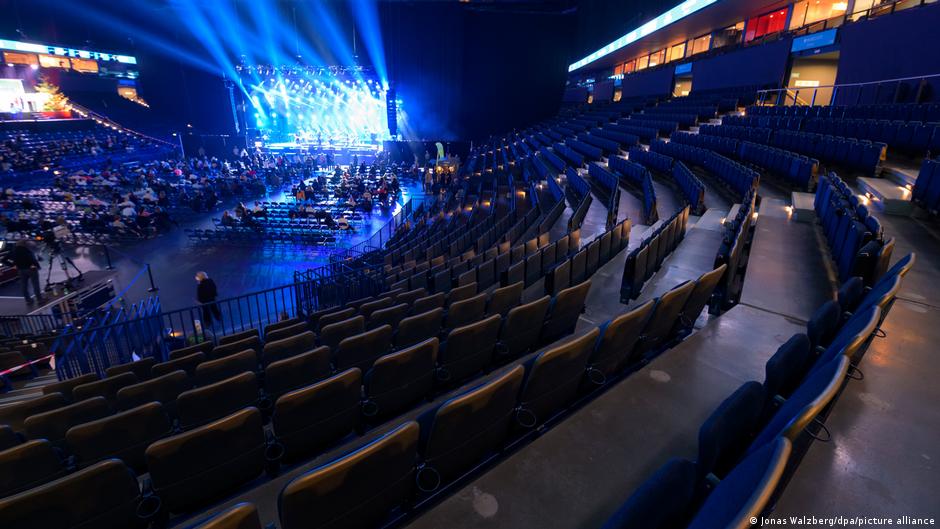
Johannes Everke, a German event industry expert, sat in a dimly lit boardroom last month as he reviewed declining sales numbers from regional tours. A veteran of the live music economy, he’s seen the shift firsthand: while the world still flocks to stadium-filling acts, the local venues where new music is discovered are disappearing. Empty seats — marked as blue dots on Ticketmaster — are no longer just a sign of low turnout. They signal a deeper financial problem for the concert industry.
This imbalance has created what some call a 'blue dot fever.' While Beyoncé, Oasis, and Coldplay continue to sell out arenas, smaller artists and festivals are seeing fewer people at shows — and in some cases, entire tours getting canceled. The problem isn’t limited to Europe. The trend is now so pronounced that industry leaders are warning about long-term consequences for music diversity.
The economics of the one percent
Alan B. Krue.com, the late economist, coined the term 'economics of superstars' in the 2000s, but it’s never fit the music business better. A handful of performers now dominate ticket sales and media attention, leaving little room for new voices. Stephan Thanscheidt, who runs one of Europe’s largest concert promoters, FKP Scorpio, explains the shift as both cultural and financial. “People are choosing a few big shows over many smaller ones,” he says. “It’s like a status symbol — going to a sold-out stadium is an event people remember.”
This dynamic leaves organizers in a tight spot. Everke notes that rising operational costs — from electricity to stage construction — have outpaced ticket revenue. “We’ve seen costs increase by over 20% compared to 2019, but ticket price growth has only matched inflation,” he says. For independent venues, the math doesn’t always add up. If a show isn’t sold out, the loss can be devastating.
Cross-financing and the pipeline of new talent
The industry has long operated on a principle of cross-financing — using profits from big-name shows to fund emerging acts. FKP Scorpio helped build the careers of artists like Ed Sheeran before his global stardom. But with fewer smaller shows generating revenue, that pipeline is under threat. “You reinvest in what you believe in,” Thanscheidt says. “But if you don’t have the money from the big hits, you can’t take the risks anymore.”
This model is not just about money. It’s also about discovery. Without regional festivals and club shows, young artists don’t get the chance to build their fanbases or refine their craft in front of live audiences. Everke worries that the next generation of stars might not emerge under these conditions. “We’re losing the ecosystem,” he says. “It’s not just about tickets. It’s about the music itself.”
Concerts as business, not album promotion
The shift from music to money is also reshaping how concerts are planned. Once, a tour was a way to drum up interest in a new album. Record labels would even fund shows in hopes of boosting sales. But now, with streaming dominating revenue, artists can no longer afford to lose money on live shows. “Half of their income is from concerts,” Everke says. “They have to make those shows profitable.”
This has led to a new strategy: residencies. Instead of traveling from city to city, stars are locking into long runs at one location — like Shakira’s 12 concerts in Madrid, or Harry Styles’s 12 nights in Wembley. These shows are designed to maximize revenue from a captive fan base. But for smaller artists, the result is fewer opportunities to share stages or open for headliners. The touring model that once supported a wide range of music is being replaced by a more static, profit-driven approach.