
A Fed at War with Itself
The Federal Reserve has long faced challenging moments. Its July 29 decision to keep interest rates unchanged marked a striking moment in its history. Three officials opposed this choice. For just the fourth time since 1970, the Federal Open Market Committee (FOMC) failed to show unity on the key issue of rate policy. Three regional bank presidents—Beth Hammack, Neel Kashkari, and Lorie Logan—voted for a quarter-point rate increase. This disagreement is the first to occur in favor of a rate hike since 2016. It is the earliest in a new chair’s term since 1970. It underscores the growing fractures in the central bank's approach to managing economic conditions.
Kevin Warsh, who took over from Jerome Powell only last month, now finds himself managing a Federal Reserve in a state of tension. Rising inflation has become a pressing issue. The Trump administration tariffs modestly elevated prices in the goods sector. The conflict with Iran caused fuel prices to surge at their fastest rate in 30 years. Combined with Warsh's recent arrival at the helm, these factors have created a volatile situation. The situation has unclear policy directions.
The Dow’s Worst Performance in Over a Year
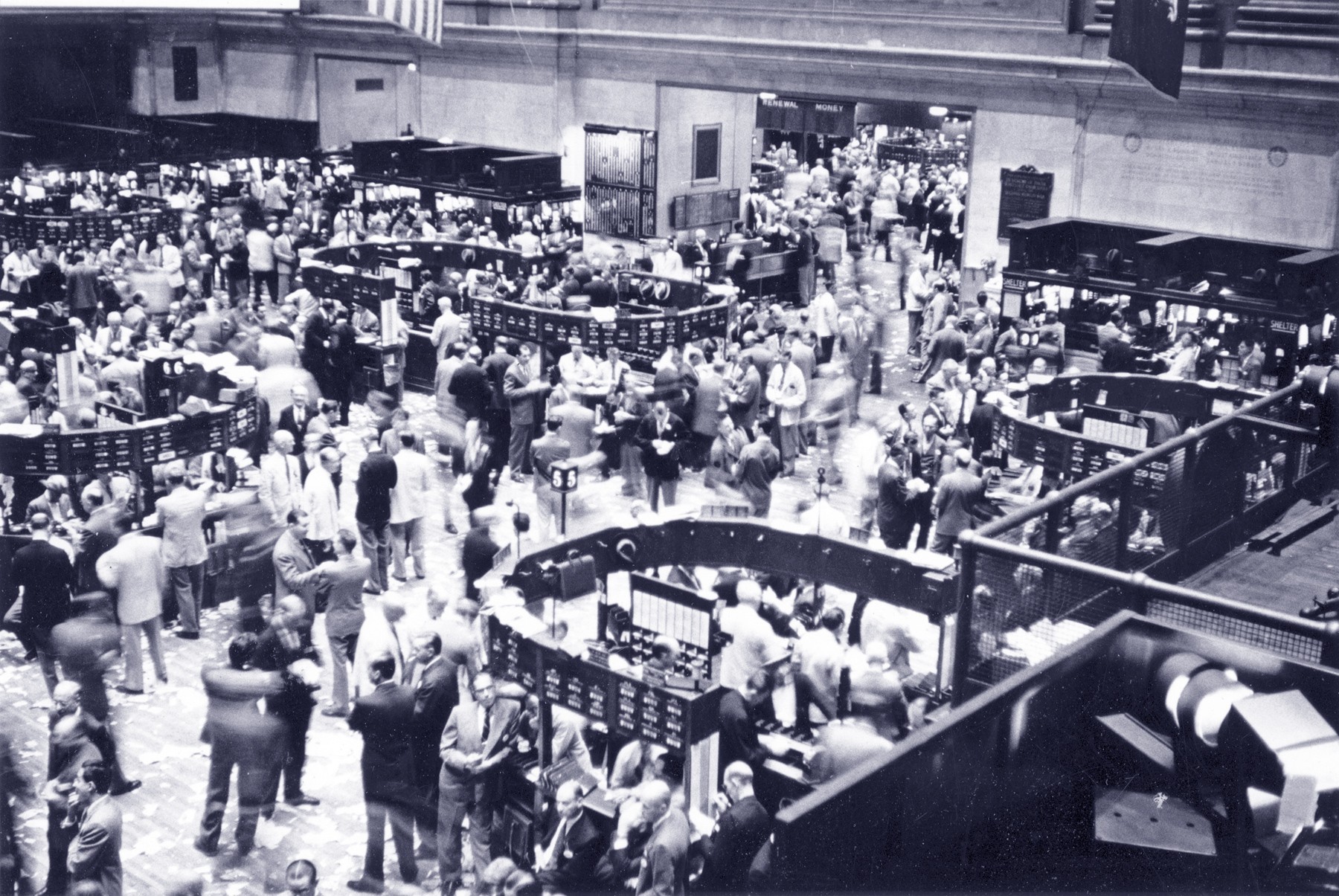
The stock market's response to the Fed’s divided stance was swift and severe. The Dow Jones Industrial Average experienced its most significant single-day decline in over a year on July 29. Alongside it, the S&P 500 and Nasdaq Composite also fell. With the Fed sending mixed signals, market participants struggled to interpret the central bank’s next step. Was it poised for a pivot, or would it maintain its current stance despite inflationary pressures? The lack of a clear message caused investors to pull back, eroding confidence in the market’s stability.
Such uncertainty is particularly dangerous for Wall Street. The Federal Reserve is typically regarded as a stabilizing force amid market fluctuations. However, when its guidance becomes fragmented, that reliability begins to wane. The longer this division persists, the more the central bank risks losing the confidence of the financial community and the public—a confidence it has carefully cultivated over decades.
This potential shift in policy could have major implications for the tech and infrastructure sectors. These sectors have been central to the growth of the Nasdaq Composite and S&P 500 this year. As borrowing costs rise, the rapid expansion of AI infrastructure may slow. It may limit the returns investors have come to expect from these leading companies. The Fed’s next decisive action or continued hesitation may well shape the future of the market in significant ways.