
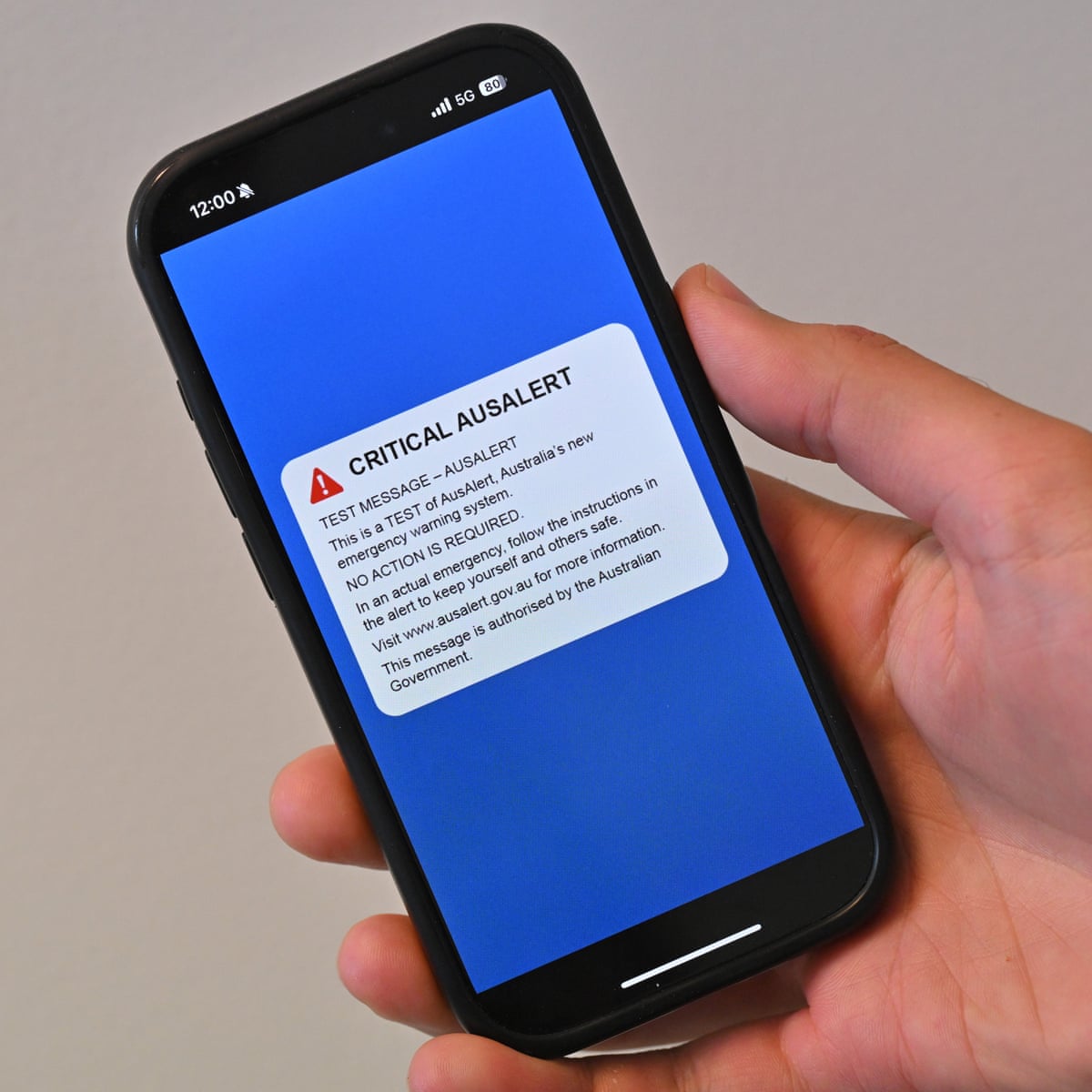
On 27 July 2026, nearly every mobile device in Australia will sound an emergency siren at 2pm AEST as part of the first nationwide test of the new AusAlert system. The test will affect most smartphones, as well as some smartwatches and tablets. The siren will be unavoidable, even for devices set to silent or 'do not disturb' mode.
Understanding the AusAlert System
AusAlert is Australia’s newly developed national warning system, designed to deliver emergency messages to mobile devices during major disasters. It replaces the current SMS-based system, which has often struggled with delays and network issues. Instead of relying on traditional text messages, AusAlert uses mobile phone towers to broadcast alerts directly to devices. This method ensures faster and more reliable communication during crises.
During the test, users will see a pop-up notification with the message “TEST MESSAGE” and “NO ACTION IS REQUIRED.” Along with this, a siren will sound for approximately 10 seconds. According to Pat Hetherington, the interim coordinator general at the National Emergency Management Agency (Nema), the siren will be loud enough to draw attention but not as intense as a fire alarm.
The test is set to run in all Australian states and territories, with adjustments to time zones. In New South Wales, Victoria, the Australian Capital Territory, Queensland, and Tasmania, the siren will sound at 2pm AEST. In the Northern Territory and South Australia, it will be at 1.30pm, and in Western Australia, it will occur at 12pm.
The 2pm timing was deliberately chosen to represent an ordinary time of day. This decision helps people become familiar with the sound and format of the alerts, which will be crucial during real emergencies. The National Emergency Management Agency has worked with thousands of groups, including schools, businesses, and even funeral associations, to minimize confusion and prevent unnecessary panic.
The creation of AusAlert follows a recommendation from the royal commission into the 2019-20 black summer bushfires. Kristy McBain, the federal emergency management minister, shared concerns that during the bushfires, some people in her electorate did not receive emergency text alerts due to network problems. She called AusAlert a “far superior” system, as it will provide timely information to more people.
Once launched in October 2026, the system will not only send nationwide alerts but also support localized, or geofenced, warnings for events such as floods or boil-water advisories. While existing SMS-based systems will continue to be used, AusAlert will serve as an additional, more effective tool in emergency management.
The test also aims to educate users on how to avoid receiving the alert if necessary. The only way to prevent the siren from sounding is to turn off a device or switch it to 'airplane mode.' According to Nema, the system is expected to reach around 80% of Apple iPhones and approximately 16 million Android devices.
Nema has outlined compatibility details for the test. iPhone models 11 and later, running iOS 26.4 or higher, will receive the alert. Apple Watch models SE2, SE3, and Series 6 and above, also on watchOS 26.4 or higher, will be included. For Android users, devices running Android 12 or newer will be compatible. Older Androids or non-iOS/Android phones might still receive the alert, though Apple iPads are excluded.
Nema's deputy coordinator general, Katarina Carroll, and Hetherington have emphasized the importance of the test in ensuring the system is understood and trusted. They've advised people who may be in sensitive situations—such as meetings or funerals—to power off their phones an hour before and after the 2pm AEST test. This action guarantees they won't receive the alert during inconvenient times.