
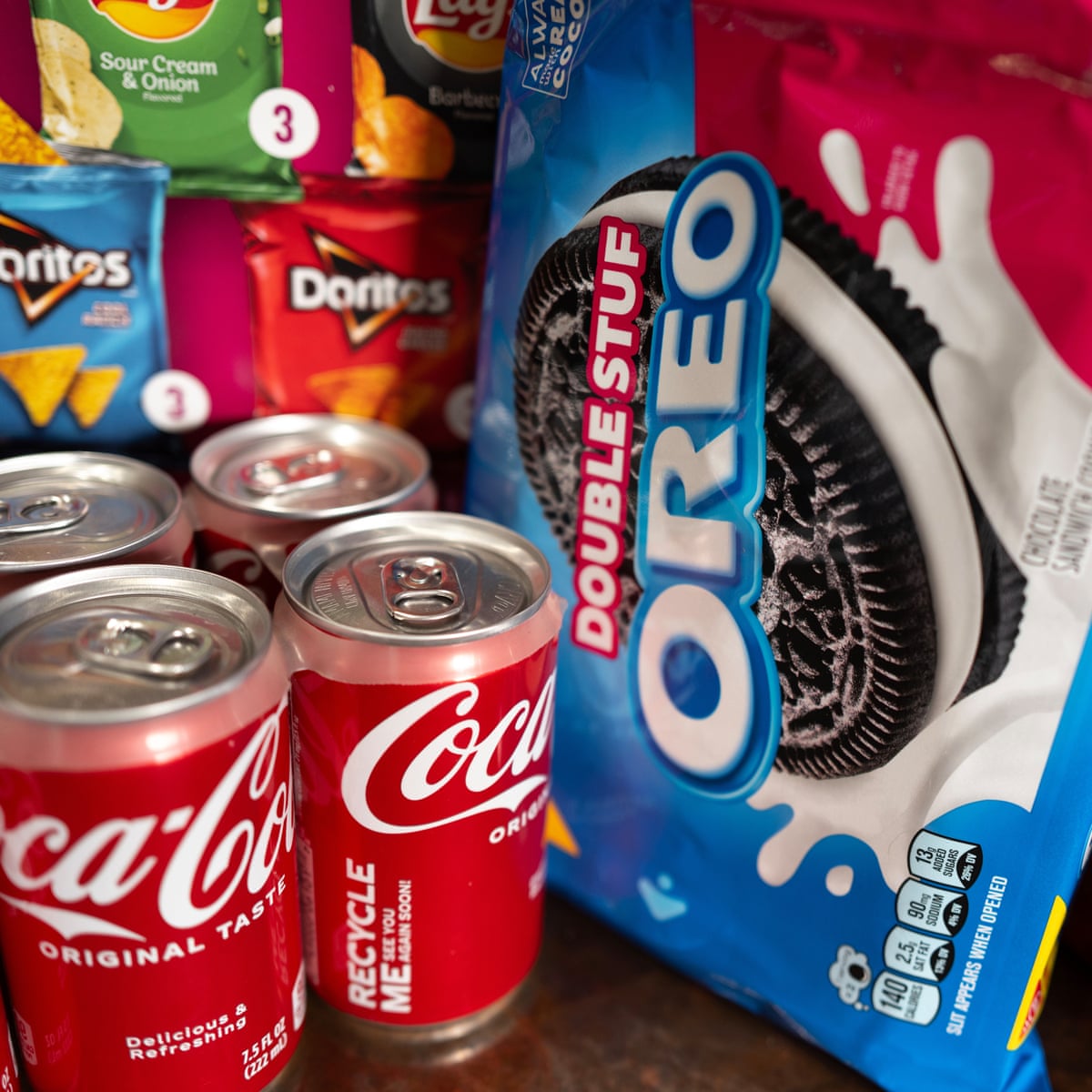
The global food industry's largest players, known for producing ultra-processed foods, have launched numerous legal actions to challenge governmental measures designed to reduce the harmful effects of these products. Ultra-processed foods are linked to a range of health issues, from obesity and heart disease to type 2 diabetes. Governments worldwide have responded by implementing policies such as warning labels on products, taxes on unhealthy items, and restrictions on their marketing. Yet despite these steps, some of the biggest food corporations have been using the courts to oppose or weaken these regulations.
A joint investigation by the Guardian, along with researchers, the non-profit newsroom Lighthouse Reports, and international media partners, has uncovered hundreds of legal cases filed against health policies in key countries. Of these, 75% were brought by ultra-processed food manufacturers or the trade groups they support. While not all plaintiffs were identified, nearly 40% of the cases where the identity was known were linked to eight major corporations, including Coca-Cola, PepsiCo, and Mondelēz.
The legal strategy behind resistance
Though many of these lawsuits resulted in losses for the companies involved, the tactics have proven effective in other ways. For instance, some legal battles lasted over 10 years, creating a substantial burden for government officials and delaying the implementation of health policies. Governments, already stretched thin, have had to allocate both time and resources to defend these legal challenges, which experts say ultimately hinder public health improvements.
Marion Nestle, a professor at New York University, argues that the fact these companies are contesting health policies so aggressively is proof that the policies work. She explains, “They wouldn’t fight so hard if these policies didn’t impact their sales.” Nestle adds that this behavior reveals a broader strategy to protect profits, even in the face of unfavorable legal outcomes.
A well-documented playbook from tobacco
The tactics used by food companies are eerily familiar. Much like the tobacco industry, which spent decades fighting regulations like plain cigarette packaging and health warnings, ultra-processed food manufacturers are adopting similar strategies. Tobacco lawsuits, while largely unsuccessful, created enormous administrative and financial strain on governments trying to curb smoking. Now, the food industry seems to be following the same playbook. Phillip Baker, an associate professor at the University of Sydney, noted that even in cases where companies lose in court, the aim remains to deter future policy actions.
Baker explains that the litigation serves a dual purpose. It delays the implementation of health policies and also deters governments from considering other regulatory options. He said, “Litigation is used to delay, deter and constrain,” indicating that even in a legal loss, the companies can achieve strategic outcomes through prolonged disputes. These tactics are not solely about legal victories but about influencing the policy-making environment.
The impact on public health
Despite the legal challenges, governments have won the majority of the court cases involving ultra-processed foods. However, the delays caused by these lawsuits mean that public health measures are not being implemented as quickly or thoroughly as needed. Meanwhile, the consumption of ultra-processed foods continues to increase. These products, often made with industrial processes and artificial additives like flavorings, colorings, and preservatives, are contributing to a growing global health crisis.
Research published in The Lancet has shown that diets high in ultra-processed foods are strongly linked to poor nutrition and increased exposure to harmful substances. Yet food companies persist in their efforts to boost their presence in grocery stores and attract more consumers. As governments try to address the health risks, the legal battles serve as a barrier, slowing the progress of public health reform and allowing the industry to continue expanding its market share.
The ongoing fight against ultra-processed foods highlights a broader conflict between corporate interests and public health. While courts continue to support the adoption of health regulations, the sheer volume and persistence of the lawsuits demonstrate the industry’s resolve to protect its business model. For now, the battle rages on, with governments and public health advocates striving to implement measures that can mitigate the long-term consequences of these foods.