
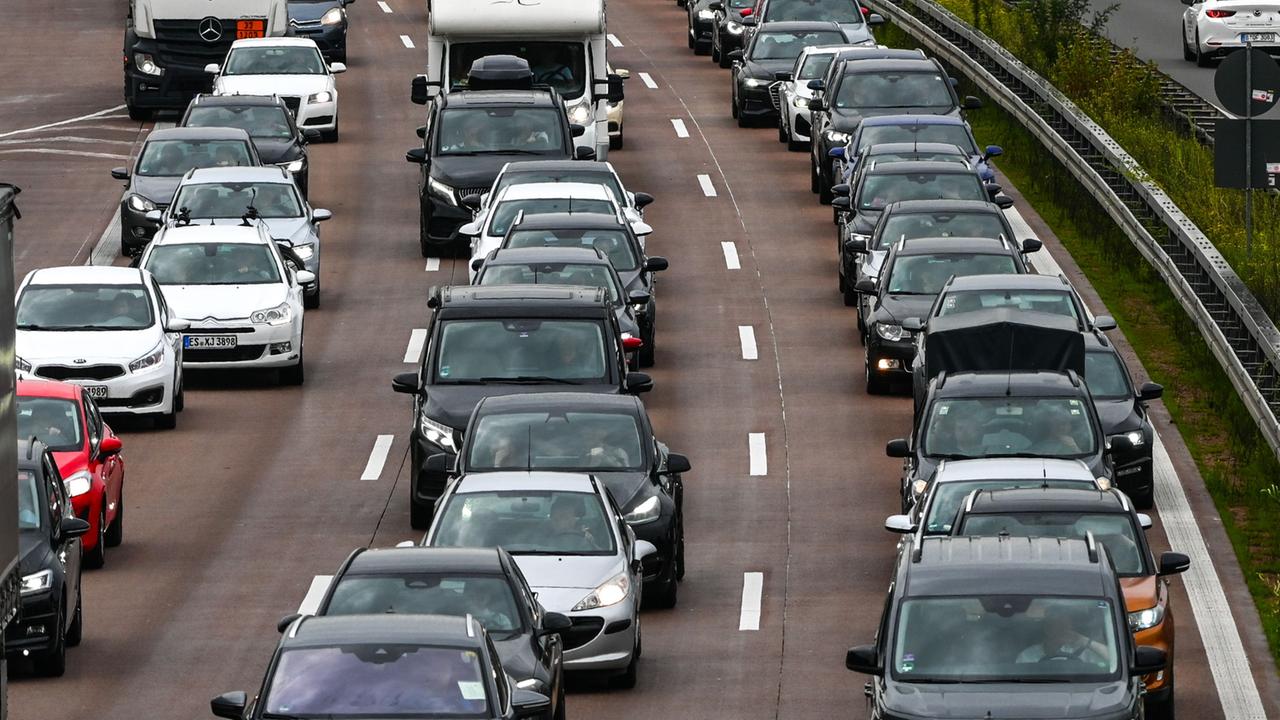
Vehicle density continues to climb
Germany’s transportation landscape is shifting toward private vehicles, with more than 49.5 million cars registered by January 1, 2026, according to the Federal Statistical Office. That translates to 593 cars for every 1,000 residents, a steady increase that has built on a long-term trend dating back to 2008.
The rise is not uniform across the country, with regional differences pointing to deeper infrastructural and lifestyle patterns. While Saarland topped the list with 649 vehicles per 1,000 inhabitants, Berlin and Hamburg saw their numbers fall. This divergence may reflect challenges such as insufficient public transport or more dispersed population centers in certain states.
Mileage shows increased car use
Beyond registration numbers, the actual use of vehicles is also on the rise. In 2024, Germany’s total mileage hit 576.3 billion kilometers, a 0.9% increase from 2023 and a 7.0% jump compared to 2020. Though this remains below the 640 billion kilometers driven in 2019, it signals a gradual return to pre-pandemic mobility levels, with private cars playing a central role.