
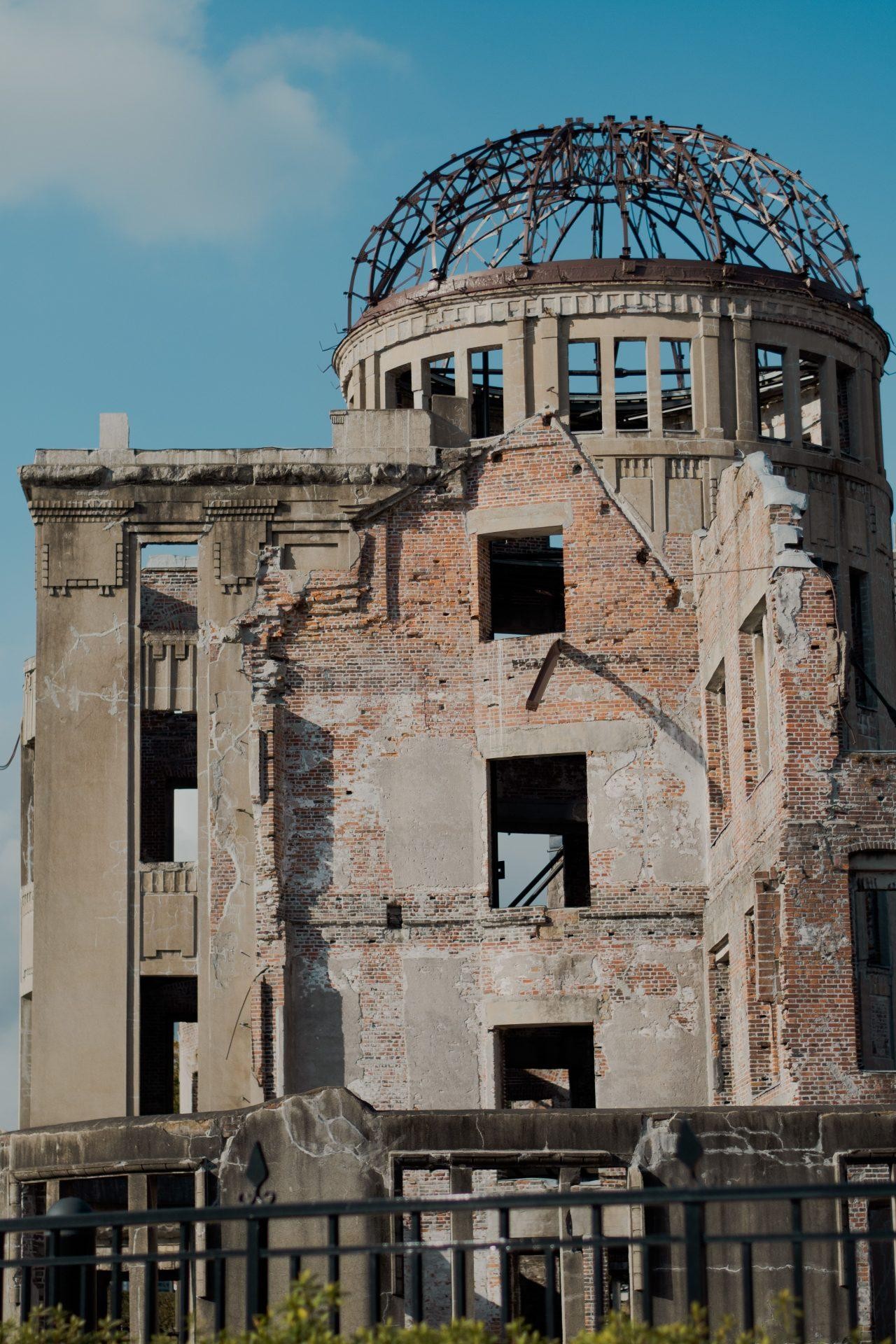
The Legacy of August 1945
On August 6, 1945, the United States unleashed the world’s first atomic bomb on Hiroshima. Three days later, a second bomb hit Nagasaki. The toll was staggering—over 200,000 lives lost by year’s end, either in an instant or through the slow, agonizing effects of radiation and related illnesses. These events remain the only recorded use of nuclear weapons in warfare. What unfolded that summer in Japan redefined global perceptions of war, diplomacy, and fear. Hiroshima and Nagasaki became symbols of the terrifying consequences of nuclear conflict.
Eighty-one years later, the lessons of these events remain as urgent as ever. Nuclear experts, peace advocates, and former diplomats stress that the horrors of 1945 must continue to shape international efforts to prevent another nuclear catastrophe. The Bulletin of the Atomic Scientists describes the bombing of Hiroshima and Nagasaki as a lasting reminder of the stakes. The legacy is not just historical—it is a warning for the present, when the risk of nuclear use is rising.
A World Still Armed
Today, the global landscape is still littered with nuclear danger. Over 12,000 nuclear warheads are currently held by nine countries. These numbers are not abstract. Each warhead is a potential trigger for disaster. Analysts from the International Campaign to Abolish Nuclear Weapons (ICAN) warn that this stockpile is enough to annihilate complex life on Earth. The threat remains real and growing.
Alicia Sanders-Zakre from ICAN explains that the bombings revealed the true nature of nuclear weapons. These are not just powerful tools of war. They are instruments of annihilation. She highlights the long-term consequences still felt by survivors and their descendants. Health impacts like high cancer rates and chronic illnesses are part of an ongoing, generational toll. The damage is not just physical but social, with survivors facing stigma and economic hardship.
Alexandra Bell, the President and CEO of the Bulletin of the Atomic Scientists, warns that the world has managed to avoid nuclear war so far through deterrence, arms control, and grassroots activism. But she cautions that luck alone cannot keep the world safe. The stakes could not be higher.
No Treaty, No Will
The UN Treaty on the Prohibition of Nuclear Weapons is a groundbreaking effort to legally ban nuclear weapons. It outlaws their development, testing, production, and use. However, not a single nuclear-armed country has signed the treaty. Alicia Sanders-Zakre calls this absence the greatest failure in recent disarmament efforts. She argues that the treaty needs strong political support to have any real impact. The legal framework exists, but the will to enforce it is missing.
The major nuclear powers—the U.S., Russia, China, India, Pakistan, and others—are not just maintaining their arsenals. They are actively expanding them. According to Bell, their spending and actions signal no intention to relinquish their weapons. The message is clear: these countries have no plans to abandon their nuclear capabilities.
Former Pakistani Ambassador Sarwar Naqvi described the Hiroshima and Nagasaki bombings as a global trauma that continues to haunt humanity. He warns that current trends point in the wrong direction. Conflicts involving nuclear-armed states are intensifying. Tensions between major powers are at a dangerous high. The risk of miscalculation or escalation is very real. He calls the current path highly irresponsible.
The Bulletin of the Atomic Scientists lists several flashpoints where the threat of nuclear conflict is especially high. Tensions between Russia and Ukraine, India and Pakistan, and Iran and the U.S. are all sources of concern. China is also building more warheads, and arms control negotiations are at a standstill. Bell emphasizes that these actions indicate that the world is not safer. Instead, the risk is growing each day.
Izumi Nakamitsu, speaking on behalf of UN Secretary-General António Guterres at a memorial ceremony in Hiroshima, stated that the bombings must never be repeated. She described Hiroshima as an inspiring example of resilience and hope. She noted that the two bombs killed around 120,000 people, with a similar number dying later of burn and radiation injuries, leaving behind 650,000 survivors, known as the hibakusha.
Ms. Nakamitsu warned that deepening geopolitical divisions, rising mistrust, and intensifying competition are straining the norms and guardrails that have helped prevent a "nuclear cataclysm." Military spending worldwide jumped to $2.9 trillion in 2025, she said. "Nuclear sabres are being rattled once again in the name of power and coercion," she noted. She emphasized the need for trust, sustained investment in dialogue, diplomacy, and international cooperation, an unwavering commitment to international law, and bolstering the global disarmament regime.
She called for clarity and conviction on the 81st anniversary: "Let’s choose dialogue over division, cooperation over confrontation and common security over narrow advantage, and let’s move closer to a world where the tragedy of Hiroshima is never repeated."
Hiroshima Mayor Kazumi Matsui, in the Peace Declaration read during the annual memorial ceremony, warned that nuclear weapons are being downplayed as "tools of intimidation" in military conflicts. He called on world leaders to abolish nuclear weapons amid rising global tensions, lamenting that they continue to be used in conflicts such as the U.S.-led war on Iran and Russia's invasion of Ukraine. He attributed the lack of progress at the latest review conference for the Nuclear Non-Proliferation Treaty to "political leaders who place blame on others to justify their own behavior," saying their words and actions "shake the foundations of global peace and stability" while ignoring the obligations set forth by the NPT. Matsui urged Japan to participate as an observer in the review conference of the Treaty on the Prohibition of Nuclear Weapons in November. Japan has not joined the treaty given its reliance on the U.S. nuclear umbrella for deterrence.
Prime Minister Sanae Takaichi reaffirmed Japan's commitment to its three non-nuclear principles and its mission to work toward a world free of nuclear weapons. Debate is growing in Japan over whether to reconsider these longstanding principles as regional security conditions worsen. The average age of officially recognized hibakusha has exceeded 86, according to the city of Hiroshima. Matsui called on younger generations to make the "abolition of nuclear weapons common sense in the international community" and "help create an environment that does not allow policymakers to rely on nuclear deterrence."