
New Weather Term Enters Common Use
Gujo, Toyota, and Tajimi in Gifu and Aichi prefectures each exceeded 40°C on Tuesday. These readings mark the first time Japan has recorded 'kokushobi'—a term the Japan Meteorological Agency added this year to describe days when temperatures surpass 40°C. Such weather, once considered extreme, has become increasingly common in the face of rising temperatures.
With 278 of 914 weather stations nationwide reporting over 35°C on Tuesday, Japan continues to push hotter readings. The JMA's terminology shift reflects both changing weather patterns and the need for clearer warnings.
The heat is already claiming lives. A man in Sanjo, Niigata, and another in Kanagawa both died after being found on streets, believed to have succumbed to the heat. The year 2024 saw over 2,000 heatstroke deaths across the country. Last summer, more than 100,000 people were hospitalized for heat-related issues between May and September.
Agriculture is also feeling the strain. Rising heat is affecting rice quality and yields. Farmers are adapting by planting heat-tolerant strains and experimenting with non-traditional crops like avocados. Such shifts signal a broader rethinking of food production in response to climate change.
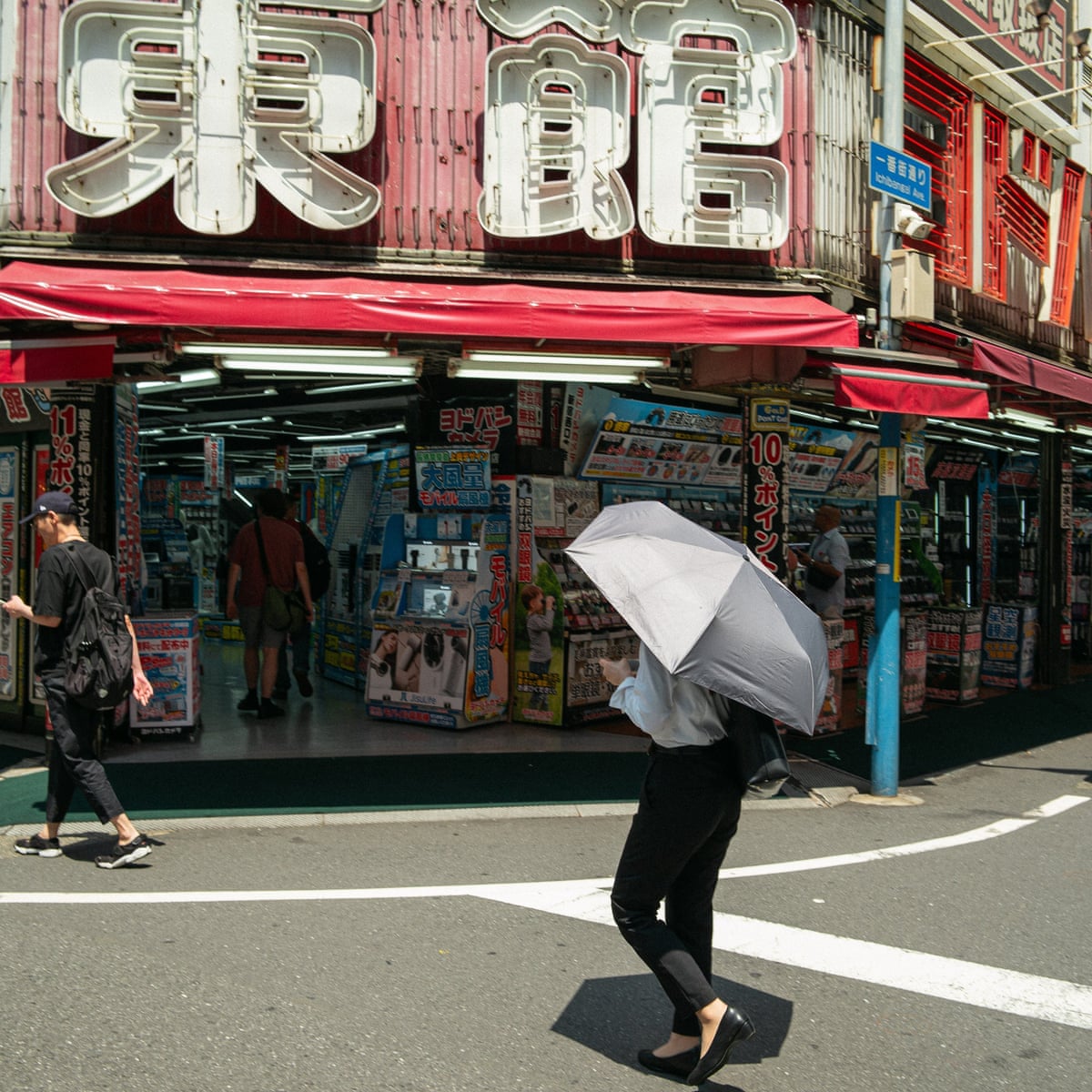
Traditions are being reconsidered as summer becomes more perilous. The Koshien high school baseball tournament, once held in full during August, is now split into morning and evening sessions to reduce the risk of heatstroke. This year’s 'scorching' outlook has also prompted Tokyo Governor Yuriko Koike to recommend more casual office attire, including shorts, T-shirts, and trainers.
The 'Cool Biz' movement, which began with lighter office wear to conserve electricity, is now facing its most significant test. Japan’s summer temperatures have climbed 1.3°C over the past century, and without action, outdoor sports could become unviable by the 2060s, according to a 2025 study from the National Institute for Environmental Studies and Waseda University.
With the summer of 2025 already 2.4°C above the average of the previous three decades, Japan is bracing for hotter, more unpredictable seasons. A new national temperature record of 41.8°C was set in Isesaki, Gunma, in August. Such data is prompting both individual and systemic responses across sectors, from agriculture to education.