
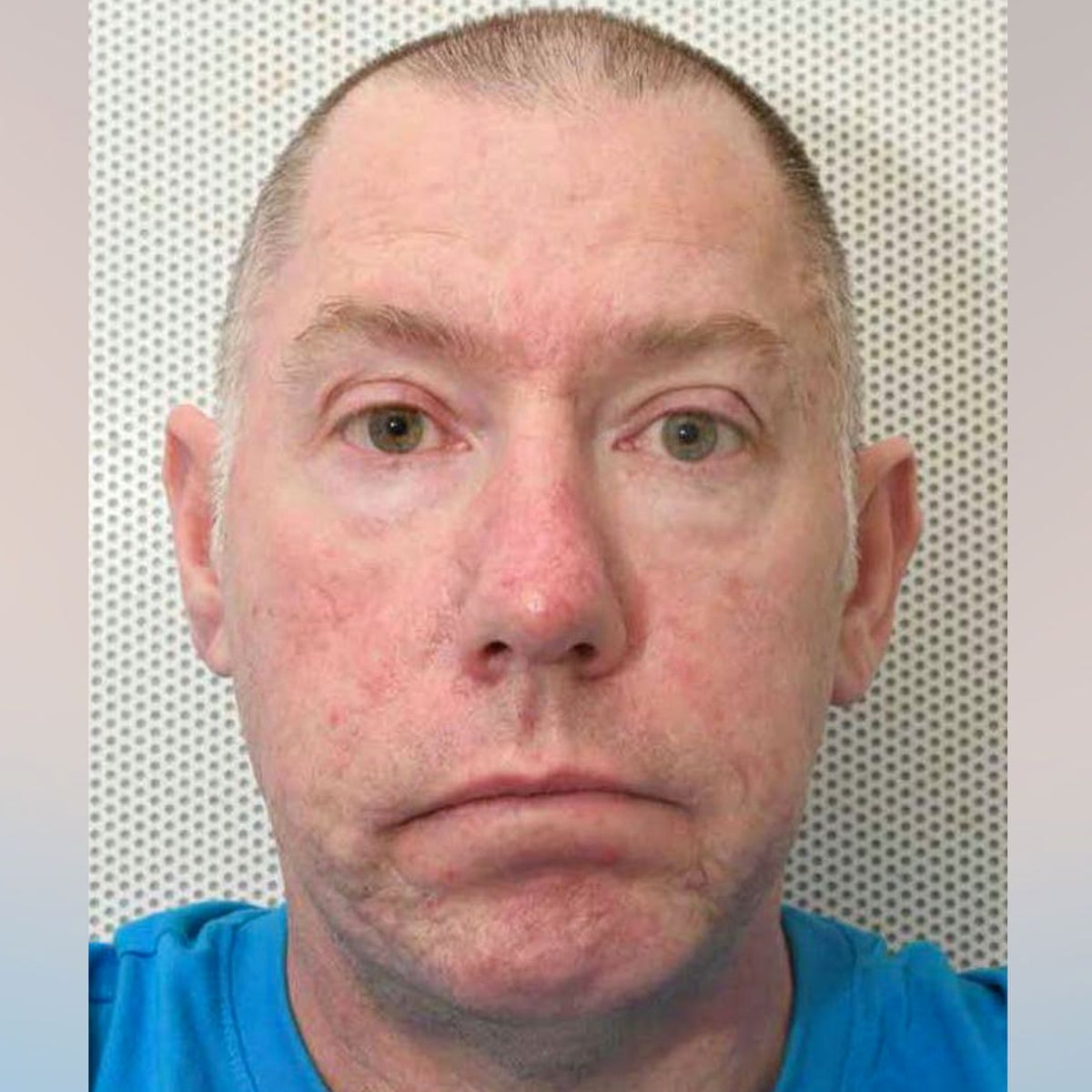
A survivor's disclosure triggers Scotland's biggest anti-corruption inquiry
In May 2024, PC Alan Greer, a police officer in Glasgow, died by suicide. By then, investigators had uncovered evidence that he had raped at least nine women over 14 years. His first known victim, a woman raped in her home in 2012, reported the attack to police in late 2023. That disclosure led to an inquiry now described as the largest anti-corruption probe in Police Scotland's history.
Greer's crimes came to light after the 2012 victim spoke to authorities about the assault. At the time, she had called the police in response to another crime, only for Greer to use that as an opportunity to attack her at home. Investigators soon found evidence that he had revisited her case file repeatedly, tracking updates for weeks after the incident.
A BBC investigation revealed that Greer regularly used hundreds of sex workers throughout his career. Detectives identified at least five of those women as victims of serious sexual assault. Some of the violence uncovered in his files would have warranted attempted murder charges if he were still alive. Two female officers were also found to have been subjected to inappropriate photographs taken by Greer during training sessions.
How the investigation unraveled a hidden pattern
The inquiry began when police identified the call made in 2012 and traced it to Greer. Anti-corruption units later discovered a single piece of intelligence from 2018, linked to Greer's phone number but without his name. The tip came from a Glasgow sex worker who had identified the phone owner as a violent client. That led to full surveillance of Greer's computer use, where he had searched police systems for complaints from sex workers.
With a warrant, officers searched his home and found thousands of files—graphic in nature. The investigation is still ongoing, but the data shows a disturbing frequency of abuse. Greer had joined Strathclyde Police in 2009 and had a clean record for nearly 17 years. Colleagues and family were said to be unaware of his double life.
A comparison to past scandals and unanswered questions
A source close to the investigation told the BBC the case echoes that of Wayne Couzens, the Met Police officer who raped and killed Sarah Everard in 2019. Like Couzens, Greer managed to go unnoticed despite his violent behavior, with missed opportunities to detect his crimes. Assistant Chief Constable Lynn Ratcliff said the evidence was “truly shocking” and confirmed Greer had abused his position.
Greer’s death by suicide came just days after social work officers visited his home to check on his family. While officials insist no red flags were overlooked, they also acknowledged that he would not pass modern vetting checks. The case has reignited conversations about oversight, accountability, and the potential for sexual violence among law enforcement.
For the victims now identified and those still unknown, the consequences are deeply personal. One woman’s decision to speak out after nearly a decade has led to the unmasking of a pattern of abuse that spanned years, relationships, and ranks.