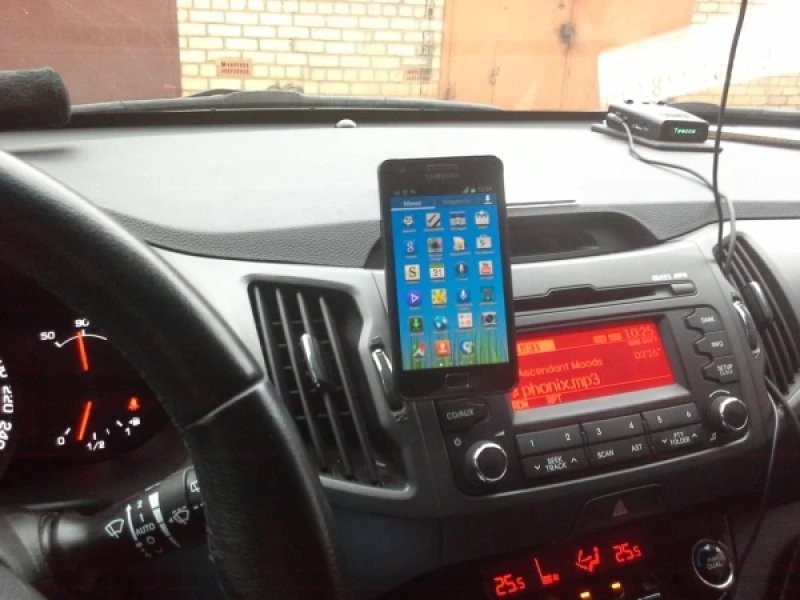
If a smartphone becomes uncomfortably hot after being in a car, it signals a serious problem. Overheating can harm internal parts and speed up battery degradation. As mentioned in a report by Engadget, extreme heat can lead to thermal runaway, a dangerous process where the battery can no longer release heat and starts reacting uncontrollably. This often results in a swollen battery, something many users have seen firsthand.
Vehicles are among the worst places for a phone in hot weather. The metal body of the car traps heat from the sun, and the phone itself generates additional warmth. To avoid overheating, it's important to reduce how hard the device is working and give it time to cool naturally. This means limiting heavy tasks and making sure the phone has good airflow around it.
Dashboard Dangers
Placing a phone on the dashboard might be handy for navigation, but it's one of the worst choices. The glass allows sunlight to directly heat the device, and if it's charging at the same time, the combination of heat from the sun, the car, and the charging process can create a dangerous situation. Using the air conditioner to blow cool air on the back of the phone is a good idea, as it works similarly to how computers cool down. However, experts advise against suddenly cooling a hot phone, as this can cause condensation and damage the internal components.
Phone cases offer protection from drops, but they can also prevent heat from escaping. Materials like silicone and plastic slow down cooling. It's best to take the case off in hot weather to help the phone release heat more efficiently. This is especially helpful when the phone is in use or charging in warm conditions.
Both the phone's internal components and its battery produce heat, especially in high temperatures. It's wise to avoid charging in a hot car, particularly using wireless charging, which tends to create more heat. If using the phone is necessary, lowering the screen brightness, turning off unneeded features like Wi-Fi, and avoiding heavy apps such as games or video editors can help minimize heat production.
If the phone becomes too hot, the first step is to power it down and take it out of direct sunlight. Avoid cooling it quickly, as this can result in condensation. Prevention is key—keeping the phone out of direct sun, not charging in a hot car, and cutting down its workload are all effective ways to maintain performance and battery life.
Experts note that even in milder weather, phones can overheat if used too much. Activities like gaming, video recording, or continuous use of GPS can raise temperatures. It's smart to notice how the device reacts and take steps to control the heat. Turning on built-in thermal management settings can also help prevent overheating.
Charging Considerations
Wireless charging is convenient but less efficient, and it can lead to more heat, especially in warm conditions. In hot weather, using a wired connection is better to avoid increasing heat. While car mounts with wireless charging are useful, they should be used carefully during summer months.
Reducing Heat in the Car
If you're planning to spend time in a hot vehicle, turning the phone off or switching to airplane mode is a good idea. This reduces heat generation while the device is in a warm environment. Keeping the phone inactive also lowers the risk of a thermal runaway event.
If the phone is already overheated, it's important to act properly. Do not put it in the refrigerator or freezer, as the sudden temperature drop can cause condensation. Instead, move it to a cooler spot and let it cool down slowly. If the phone consistently gets too hot, it might signal a deeper issue that needs to be checked by a professional.
According to Inbox.lv, these precautions can help users greatly reduce the risk of phone damage. Making small changes in how the device is used can help keep it working well for longer in extreme heat.