
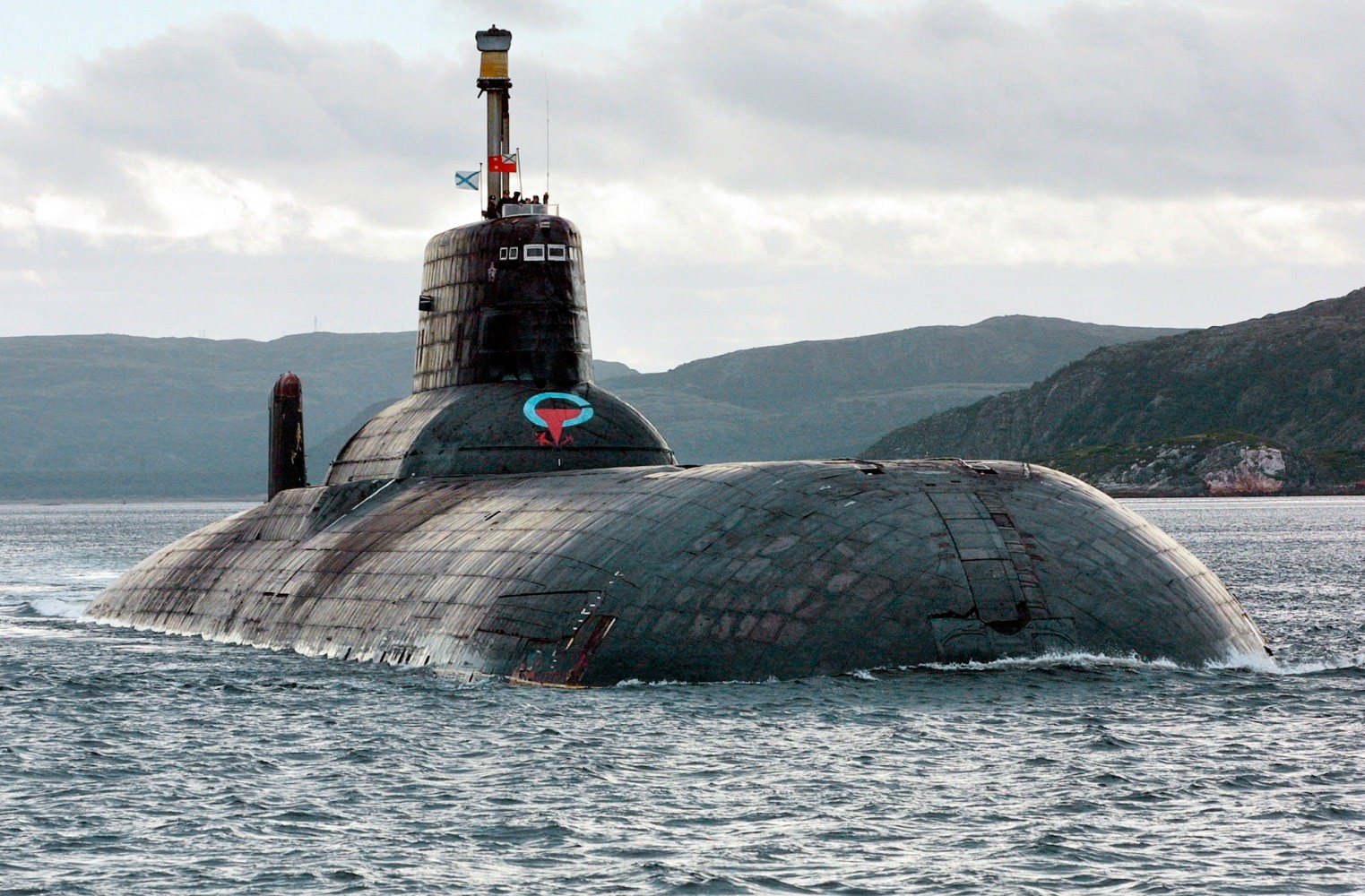
During the Cold War, the Soviet Union sought to outmaneuver NATO with a radical new submarine design. These submarines could travel at speeds over 40 knots, a feat unmatched at the time. Instead of traditional steel, their pressure hulls used titanium, a material not commonly found in large-scale naval construction. Only seven boats of this class were completed, each built to fulfill a unique objective: speed and aggression.
The Alfa-Class submarines were engineered to act as underwater hunters. Each carried six 533mm torpedo tubes, capable of launching 18 torpedoes or other defensive weapons. They could attack from depths as deep as 400 meters, a range that gave them a tactical advantage. With only 29 to 32 crew members, these boats relied heavily on automated systems to reduce the need for a large onboard crew. The goal was to create a vessel that could swiftly intercept, strike, and vanish before retaliation could be launched.
The Cost of Speed
Using titanium for the hull was not just about performance. It was also about cost and complexity. Titanium was stronger than steel for its weight, resistant to corrosion, and had minimal magnetic signature, making detection harder. But it came with a steep price tag. The material was rare, hard to weld, and required production lines to be completely retooled. Soviet shipyards had to train specialized workers, and entire sections of the construction process had to be isolated in inert gas to prevent the metal from reacting with oxygen. This pushed the cost of each Alfa to levels three to five times higher than standard steel-hulled submarines.
A declassified CIA history highlighted the challenges of using titanium. Building even one Alfa required years of planning and effort. The lead submarine, K-64, spent seven to eight years being built—a timeline far exceeding that of conventional nuclear submarines. Four of these vessels were constructed in Leningrad at the Sudomekh facility, now part of the Admiralty Shipyards. Three more were built in Severodvinsk by Sevmash. Despite the effort, only seven were ever completed, and an additional hull was started but left unfinished.
Liquid-Metal Reactor Failure
The Alfa’s power source was as unconventional as the rest of its design. Engineers chose a lead-bismuth reactor over traditional pressurized-water systems because it allowed for a more compact and powerful setup. The reactor produced 40,000 horsepower, sufficient to drive the single propeller and achieve the class’s impressive speed. However, the lead-bismuth coolant came with a critical flaw. It would solidify when the temperature dropped below about 123 degrees Celsius. If this happened, the coolant would freeze in the pipes and fuel assemblies, rendering the reactor unusable.
The K-64 suffered a catastrophic reactor failure in 1972. After the coolant froze, the damage was so extensive that the submarine was never returned to active service. The problem forced operators to keep the reactor heated even when the boat was in port, which added to the maintenance burden. While the other Alfa-Class submarines avoided total failure, they all continued to face ongoing challenges with the complex system.
A Unique Design, but Not a Practical One
The Alfa-Class submarines represented a bold leap in naval technology. They were faster, more maneuverable, and more automated than their Cold War counterparts. Their titanium hulls and compact reactors allowed for high performance, even in extreme Arctic conditions. But the very features that made them unique also made them impractical for large-scale production. The Soviet Navy had wanted a small, fast, automated hunter. What they ended up with was a marvel of engineering that required too many specialized resources to maintain and expand.
The Alfa-Class submarines displaced about 2,300 tons when surfaced and 3,100 tons when submerged. Each measured around 80 meters in length, making them smaller than most modern nuclear attack submarines. Despite this, their speed and range set a new standard. However, the high maintenance demands and limited fleet numbers meant the Alfa-Class never lived up to its potential. It remained a Cold War curiosity, a testament to Soviet ambition that could not be sustained in a full naval fleet.
