
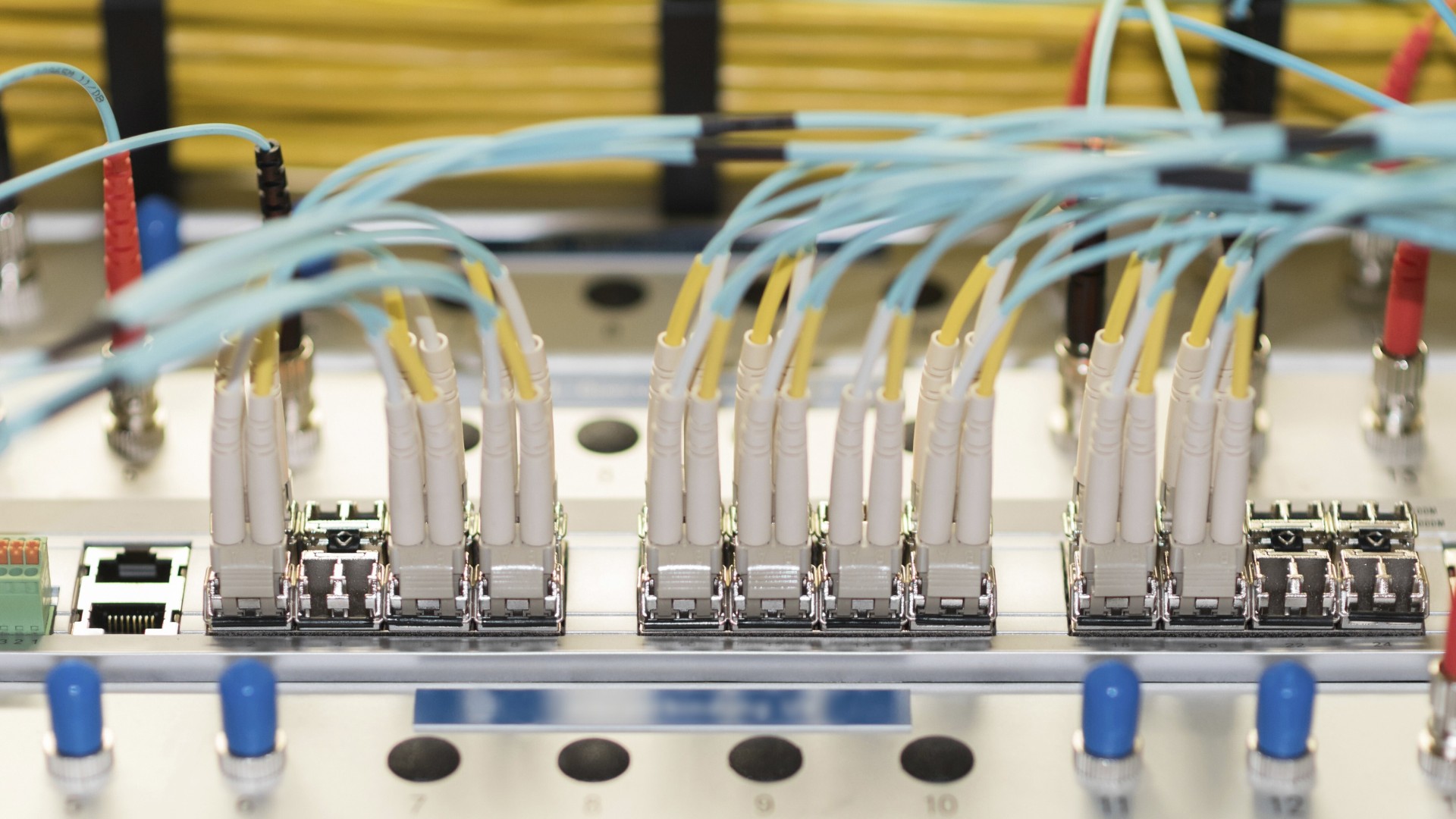
Inside the vast digital infrastructure powering artificial intelligence, data centers serve as the backbone, and optical transceivers are the hidden cogs that keep them running. These small but crucial components convert electrical signals into light and vice versa, facilitating rapid data transmission across networks. Now, the United States is scrutinizing them closely, particularly those manufactured in China. According to officials, these imported transceivers may present risks, including the potential for data breaches, malware insertion, or even the disruption of critical operations within American data centers. Federal agencies are moving to address this issue before these components become more deeply embedded in the tech ecosystem.
The concern stems from the fact that these optical transceivers are already widely used in U.S. data centers. They offer speed and efficiency far beyond traditional copper wiring, making them a key part of the infrastructure as demand for AI processing continues to skyrocket. However, with companies like Innolight capturing a significant share of the market — currently about 27% — U.S. regulators argue that waiting until these parts become standard could leave the nation exposed to vulnerabilities. The goal, as outlined by government sources, is to take proactive steps to secure the data center supply chain before potential threats evolve into long-term risks.
Broader U.S. Restrictions on Chinese Tech
This latest move is part of a broader pattern of restrictions the U.S. government has placed on Chinese technology. The Federal Communications Commission (FCC) has implemented several recent bans, targeting everything from foreign-made drones and routers to certain robotic devices like advanced vacuum cleaners. Companies such as TP-Link and DJI have faced direct impacts from these measures. For example, the April 2024 ban on routers affected TP-Link, despite its formal separation from its Chinese parent company. Similarly, the drone ban in December 2025 dealt a significant blow to DJI, the dominant player in that sector. These actions show a growing wariness of Chinese technology in the American market.
However, the U.S. approach is not entirely exclusionary. Some companies have successfully negotiated exemptions to continue using foreign-made components. Netgear and Amazon, for instance, have secured conditional approvals for certain models through 2027. TP-Link has also applied for an exception but is still awaiting a final decision. These exemptions highlight the complex balancing act the administration is attempting: reducing reliance on Chinese tech while acknowledging that some foreign components remain necessary. The strategy aims to minimize the risk of another Huawei-like situation, where a deep market presence created a costly and prolonged removal process when restrictions were eventually imposed.
China's Measured Response
China's response has been measured yet clear. The Chinese embassy in Washington has urged the United States to consider the concerns of businesses in both countries and to avoid what it calls 'smearing' Chinese firms through unwarranted sanctions. — a move that ultimately prompted the U.S. government to reconsider its initial approach. While China has not yet retaliated with new measures in response to the transceiver crackdown, its diplomatic messaging suggests a readiness to act if the U.S. continues its aggressive stance.
Challenges for U.S. Domestic Manufacturers
Looking ahead, the challenge for the U.S. lies in supporting its domestic manufacturers while scaling production to meet the rising demand. Companies such as Lumentum and Coherent do exist, but they lack the market reach and production capacity of Innolight. This gap means that even with restrictions in place, the transition to American-made components may take time. Industry experts, including Beacon Global Strategies' Divyansh Kaushik, emphasize the need for a secure and robust supply chain from the start of major data center expansions. The path forward will require careful planning, investment, and cooperation across government and private sectors to ensure national security without stifling technological progress.
The White House has not set an exact date for the transceiver ban but has indicated a target of 2026 for implementation. As the ruling moves toward finalization, stakeholders are watching closely. The outcome will influence not just the future of U.S. data center security, but also the broader dynamics between American and Chinese tech industries. Whether the move proves to be a proactive safeguard or an overreach remains to be seen. For now, the focus is on building a system that protects American interests without losing access to the cutting-edge technologies that keep the digital world running.