
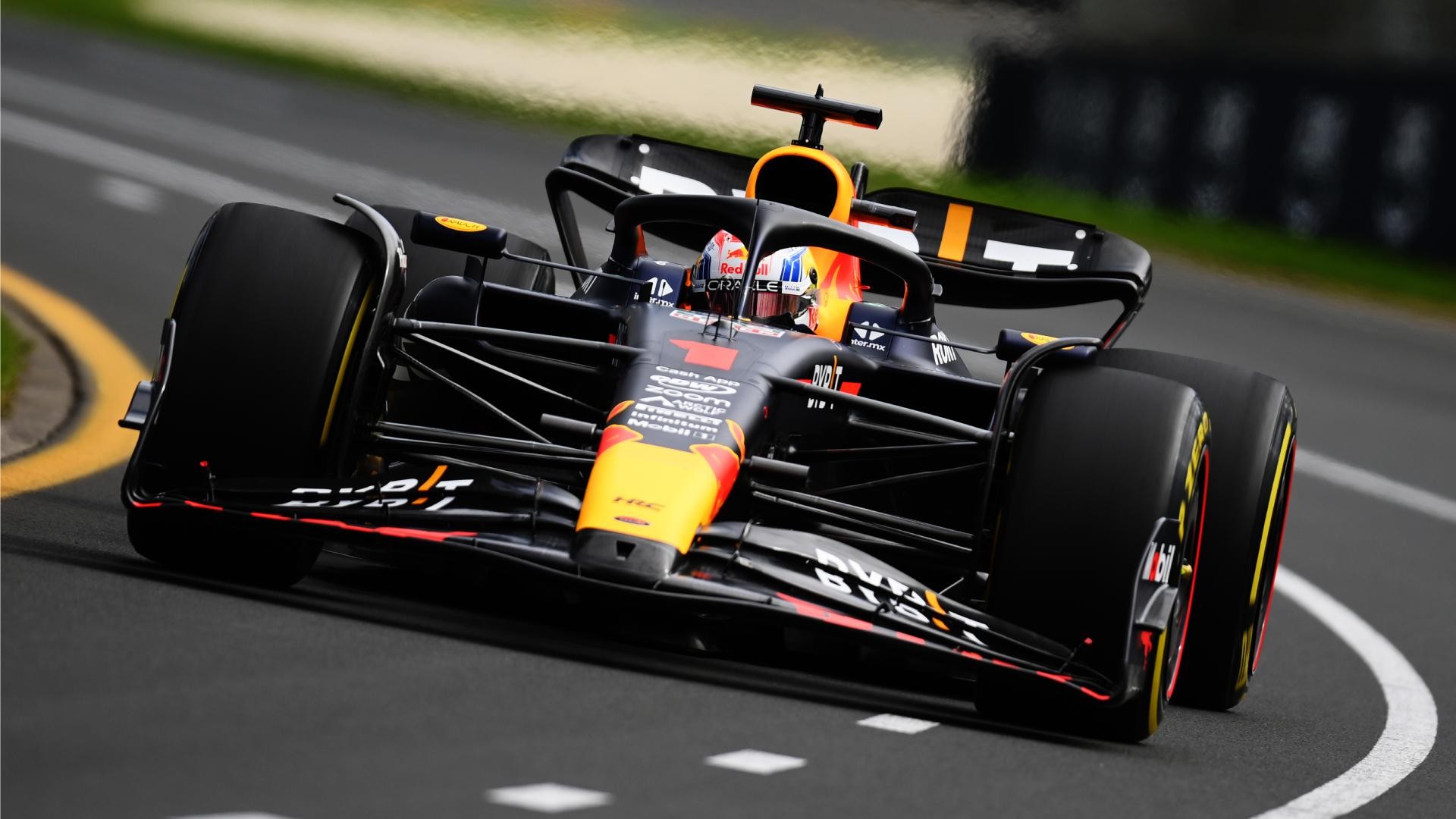
Max Verstappen has hinted at the possibility of opening a museum dedicated to his Formula 1 career, modeled after Fernando Alonso's existing facility in Spain. The Dutch driver, who has driven 10 different F1 cars in his racing career, envisions a space where each car he has piloted can be showcased alongside helmets, trophies, gear, and other memorabilia. While the exact location of the museum has yet to be determined, Verstappen has already begun thinking through the concept and layout, aiming to create a lasting legacy for future generations to explore.
Mercedes-AMG celebrates Verstappen's GT racing influence
Stefan Wendl, the head of Mercedes-AMG Customer Racing, credited Max Verstappen with revitalizing the brand's presence in GT racing. Verstappen's decision to switch to Mercedes-AMG machinery, combined with his high-profile participation in the 24 Hours of the Nürburgring, has brought renewed attention to the manufacturer. Though Verstappen Racing had to withdraw from the race due to a technical issue, the event still generated significant exposure. Wendl highlighted the program's overall victory at the Nürburgring 24 Hours as a major breakthrough, the culmination of over a decade of effort. He also noted multiple overall and class wins across global championships as proof of the strength of the partnership.
Mercedes-AMG's success in GT racing has been amplified by Verstappen's move to their program. The four-time Formula 1 champion's participation not only elevated the visibility of the brand but also inspired a surge of interest in the sport. His move to the Mercedes-AMG GT3 and his team's transition to the German manufacturer have positioned the company as a central figure in the GT racing world. Wendl noted that Verstappen's influence has helped bring new excitement to the discipline and attract a wider audience to the racing series.
Verstappen's team performance and legacy-building
Despite Verstappen Racing's early exit from the Nürburgring 24 Hours due to a technical problem, Wendl said the result did not detract from the impact Verstappen's involvement had on the brand and GT racing as a whole. He pointed out that the four-time world champion's decision to race for Mercedes-AMG and leverage his global fanbase in GT competitions has given the program a major lift. Verstappen’s vision of preserving his career achievements through a museum mirrors Alonso's approach, though details like the museum's location and opening timeline are still under consideration. This ambition aligns with the broader goal of inspiring younger drivers and preserving the history of motorsport for the future.
Alonso's museum, established in 2015 in Asturias, Spain, serves as a benchmark for Verstappen's future aspirations. The facility, part of a larger motorsport complex with a karting track and youth development programs, houses hundreds of items from Alonso's career. It includes race cars, helmets, race suits, gloves, trophies, and personal memorabilia. Verstappen is looking to create a similar space to celebrate his racing journey and to provide a platform for young racers to learn and be inspired.
The museum initiative would not only preserve Verstappen's legacy but also serve as a cultural and educational hub. By displaying the cars and gear he has used throughout his career, Verstappen aims to give fans and aspiring racers a tangible connection to his journey. The project is still in the planning phase, and Verstappen has not yet finalized the location. However, the idea of having a dedicated space for his racing career reflects his commitment to honoring the sport and leaving a lasting impact for future generations.