
India's Youth Spark Nation-Wide Protests Over Education Reforms
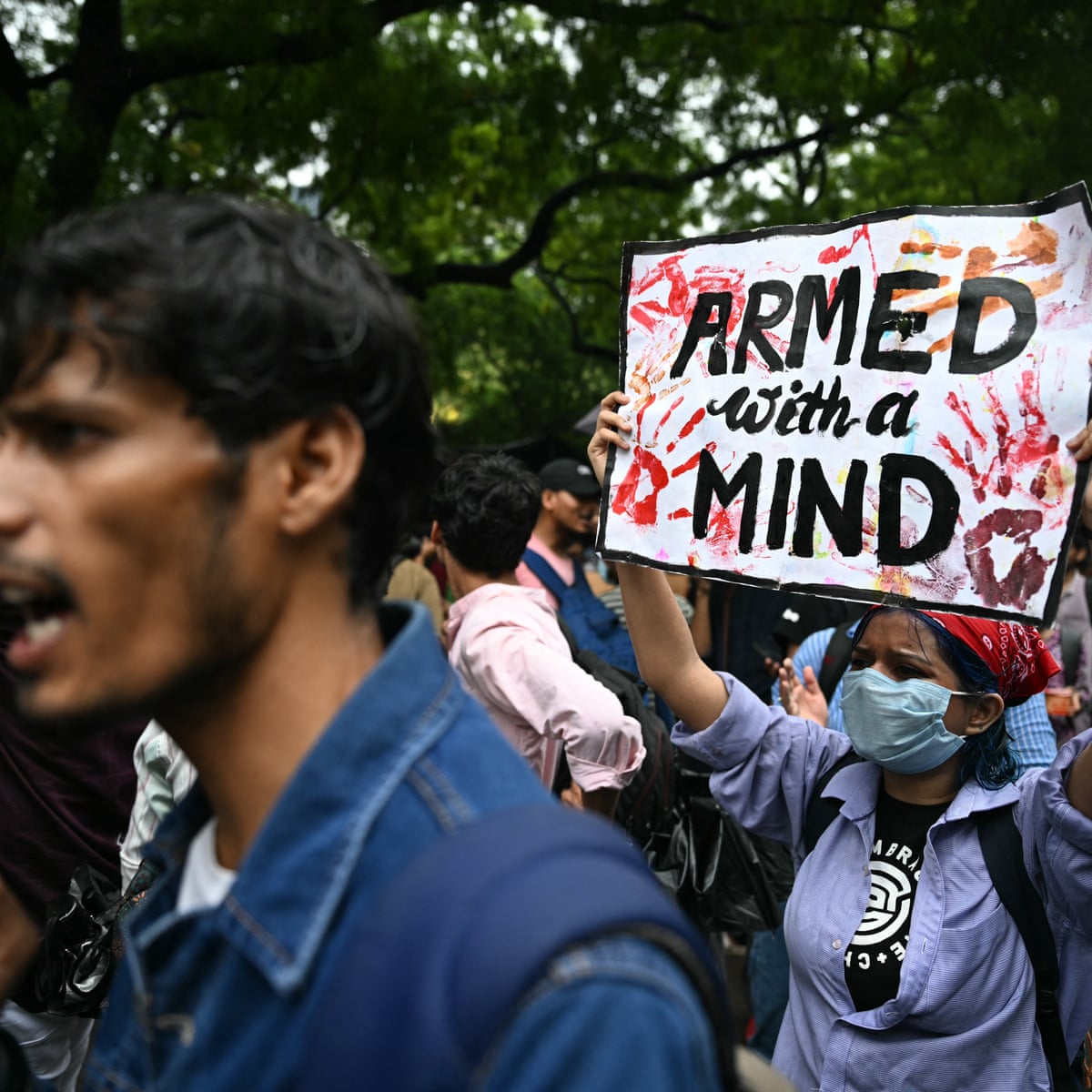
One of the largest anti-government demonstrations in recent history unfolded in Delhi on Monday as more than 50,000 people gathered to demand the resignation of Education Minister Dharmendra Pradhan. Led by the newly formed Cockroach Janata Party (CJP), the protest started as a peaceful assembly before erupting into violent clashes with police. Law enforcement responded with tear gas and baton charges, resulting in dozens of injuries among the crowd and tensions that continue to simmer across the nation.
The CJP was born from a satirical online joke but has grown into a significant political movement. Its name targets Pradhan, whom critics accuse of ignoring multiple scandals in the education system. The rise of the CJP reflects widespread frustration among India’s youth, who feel the Modi-led government is disconnected from their struggles and aspirations. The movement has become a rallying point for students and young people demanding greater accountability and transparency.
On Wednesday, in the sweltering heat of Delhi, over 1,000 protesters remained at the CJP’s protest site. Many had traveled long distances and vowed to stay until Pradhan resigns and the government addresses their concerns. To sustain the protest, supporters sent food and supplies, including biryani, pizza, and dal, some of which were ordered from outside the country. The steady stream of meals helped boost morale among the demonstrators as they continued to sing and chant support for their cause.
Opposition leaders, notably Congress party’s Rahul Gandhi, joined the CJP’s cause by shutting down parliament. Inside the chamber, opposition members demanded answers about the recent police violence and the ongoing controversies involving critical exams. The protest took another turn the day before when Gandhi staged a sit-in near Prime Minister Narendra Modi’s residence, accusing him of 'destroying the future of India’s youth.' Police briefly detained him, but he was later released.
Gandhi’s sister, Priyanka Gandhi, a senior Congress strategist, also found herself briefly detained on Tuesday. Police confirmed that both were released, but the incident underscored the growing divide between the government and the opposition. In parliament, Gandhi criticized the administration, saying, 'The government doesn’t want to take any accountability, nor does it want to have a debate on it in parliament.' His comments highlighted the frustration of many who feel their voices are being ignored.
The Modi administration has yet to directly respond to the protests, despite growing pressure. Pradhan, who initially dismissed the CJP as a 'B-team of terrorists,' later adopted a more conciliatory tone. In a social media post, he acknowledged the need for 'answers, reforms and accountability,' but many argue these words fall short of the action required to address the youth movement’s broader concerns. Critics remain skeptical of the government’s commitment to meaningful change.
Amnesty International has condemned the Delhi police for using excessive force during the protests, and the Supreme Court refused to review a petition about the alleged police brutality. Meanwhile, Congress and other opposition parties have voiced strong support for the CJP movement and denounced the heavy-handed tactics used by authorities. Their backing has only strengthened the resolve of the protesters, who see themselves as the vanguard of a new political era.
The protests have spread beyond Delhi, with hundreds of supporters gathering in cities like Mumbai and Bengaluru. In these locations, the movement has drawn widespread attention and support. Congress leader Sandeep Dikshit stated, 'What happened yesterday is our constitution got trampled upon. After that, no self-respecting politician or citizen can stand aside.' His words echoed the sentiments of many who believe the recent events represent a broader constitutional crisis.
CJP spokesman Ashutosh Ranka delivered a powerful message during the protest, declaring, 'In the country where people had forgotten how to ask questions, in the country where criticising the government was considered treason – we have now awakened that country.' His speech, met with loud cheers from the crowd, encapsulated the movement’s growing influence and the hope that the youth can reshape India’s political landscape.