
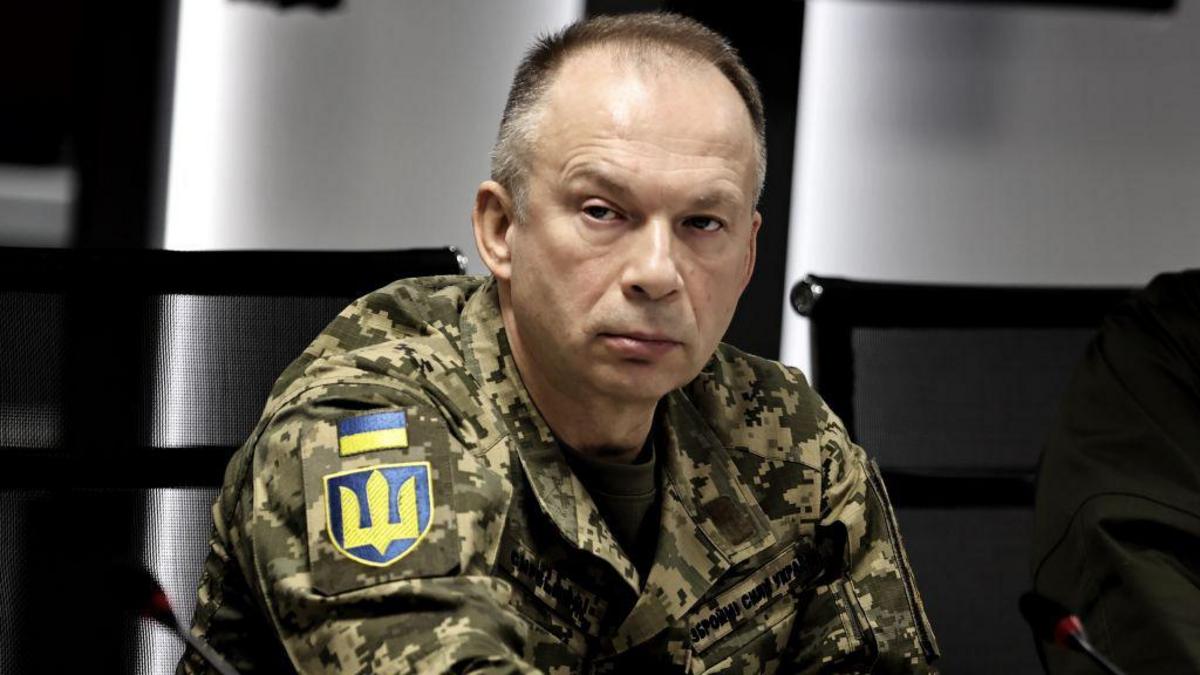
A Commander’s Farewell and a Nation on Edge
Oleksandr Syrskyi, Ukraine’s long-time army chief, was dismissed by President Volodymyr Zelensky on Tuesday. The removal came amid heightened public and political tension, following the earlier sacking of Defence Minister Mykhailo Fedorov. Syrskyi, who has led Ukraine’s military since 2022, was replaced by Mykhailo Drapatyi, a 43-year-old general described as a 'battle-hardened' and reform-oriented figure. Syrskyi’s departure marked a decisive shift in military leadership and came after weeks of growing criticism over the pace of modernisation and reform within the armed forces.
In a farewell message on Telegram, Syrskyi said the Ukrainian army had shifted from a 'defensive campaign' to an 'offensive' posture. He praised his successor, Mykhailo Drapatyi, and expressed hope that the momentum would continue. Drapatyi, in turn, said he would 'work responsibly and with full focus' and thanked Syrskyi for 'consistent work to strengthen the Ukrainian army.' He added, 'I grew up in it.' The transition marks a generational shift in the military command, with Drapatyi representing a new wave of leadership seen as more willing to embrace the digital and technological advances that Fedorov championed.
Fedorov’s Fall and the Rise of Protests
Fedorov’s removal in January triggered six days of protests, with thousands of Ukrainians taking to the streets to demand his reinstatement. He had been widely praised for overhauling the Defence Ministry, pushing anti-corruption measures, and modernising the army using data analytics. Before joining the government, he was instrumental in forming the 'IT Army of Ukraine' to defend digital infrastructure against Russian cyberattacks. He also launched a fundraising campaign for drones and developed a 'gamification' system to reward frontline units for hits on Russian targets. His sudden exit left many in the military and public disillusioned, with Syrskyi soon becoming a lightning rod for their anger.
Zelensky said he had offered Fedorov a 'worthy position in power,' but it remains unclear whether the offer was accepted. In a video message, Zelensky praised Syrskyi for his leadership during the initial stages of the invasion and confirmed the new appointments. Fedorov, for his part, publicly supported Drapatyi, calling the move a 'new hope in the fight for freedom and justice.' He also thanked Syrskyi for 'historic battles' but insisted that further reforms were essential.
Zelensky has tasked Drapatyi and Khmara with developing a new military strategy covering reforms in the military corps system, weapons supply, and drone warfare. The urgency of the mission reflects deepening concerns over Ukraine’s ability to sustain its current momentum. Syrskyi, in a recent op-ed, defended his record and accused critics of misunderstanding the complexities of military decisions. 'Real work, not the public drama surrounding it, wins the war.'
Still, public trust in the current leadership is fragile. Protesters remain sceptical that Zelensky has truly addressed their concerns. Many believe that removing Syrskyi is only a partial response to a broader leadership crisis. If Fedorov is given a meaningful role again, some tensions may ease. But the president has already been seen by many as having made the wrong call by dismissing him in the first place. The coming days will test whether the new appointments can reinvigorate Ukraine’s military efforts—or if the public will continue to demand sweeping changes.