
AI in the Air Force
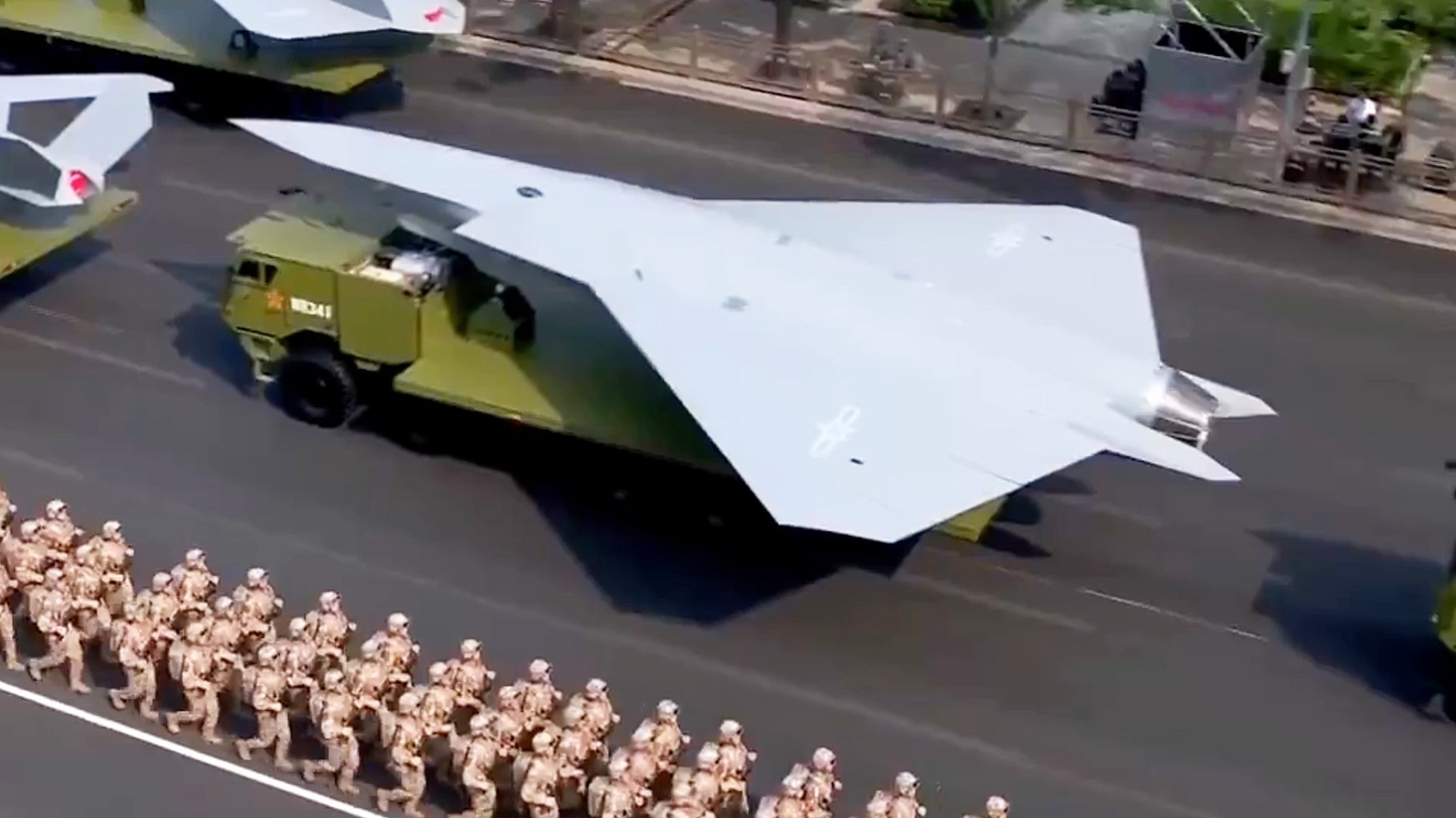
An artificial intelligence tool is now a part of the People's Liberation Army Air Force's operations, as revealed in a recent CCTV documentary. This system manages large-scale strike missions by identifying and ranking hundreds of targets, coordinating multiple air formations, and assigning tasks to more than 100 tactical units. The documentary highlighted the AI system’s practical role and its deployment in multiple missions, marking its debut during a commemoration of the PLA's 99th anniversary.
President Xi Jinping recently called for increased military use of intelligent, unmanned technologies, aligning with China’s broader push to modernize the armed forces by 2027. This year marks the 100th anniversary of the PLA's founding. The AI system is presented as a critical step toward this goal, designed to handle high volumes of complex data and decision-making that would overwhelm human planners during fast-moving military operations.
The system assists commanders and pilots by recommending how to combine various assets—such as aircraft, electronic warfare equipment, and other support capabilities—before human approval is given to execute operations. Although AI handles much of the planning process, final decisions still rest with human commanders. The tool is positioned as a planning aid, not a replacement for human judgment.
Risks and Realities
China publicly insists that AI should augment—not replace—human decision-making in military contexts. However, the speed and efficiency of this AI system raise concerns about the practical limits of human oversight. By compressing hours of complex planning into minutes, the system may reduce commanders' roles to little more than a formal rubber stamp. When time is extremely limited, careful human analysis—like determining whether a target is military or civilian or whether civilian harm is proportionate—can be severely constrained.
This is not a problem unique to China. Similar issues have arisen in other countries. For example, in Israel, military actions in Gaza have shown how AI-driven speed can pressure commanders to quickly accept strike options without thorough scrutiny. In these situations, the human role can be reduced to rapid approval of decisions that AI has already prioritized, increasing the risk of automation bias.
These developments highlight a growing dissonance between China's public stance on AI and its operational reality. While officials emphasize human oversight, the system's design and speed could dilute that oversight in practice. Even if humans technically remain in the loop, the rapid tempo of operations may leave them little room to question or alter AI-generated recommendations.
Broader Strategic Implications
The integration of AI into military planning has far-reaching consequences, particularly in the Indo-Pacific region. In a potential South China Sea conflict, for instance, the ability to generate and execute complex strike plans swiftly could tip the balance in favor of the side using AI. Traditional crisis management tools, such as direct military hotlines or diplomatic negotiations, often depend on slower human judgment and communication. In this context, those tools may lag significantly.
Alliance groups like AUKUS and the Quad must now adapt to a new era of conflict shaped by algorithmic speed and decision-making. Defensive strategies that once relied on predictable human decision patterns will need to evolve. As machines begin to take the lead in high-speed operations, traditional de-escalation methods may prove inadequate. Countries must now design defense systems that can absorb and counter potential algorithmic disruptions, ensuring they remain prepared for unpredictable, AI-driven threats.
This AI system offers a glimpse into how artificial intelligence can reshape the conditions under which humans make critical military decisions. While meaningful human control remains on paper, the operational realities suggest that humans could become mere legal scapegoats for decisions made by algorithms. As AI continues to evolve, the challenge will lie in maintaining ethical and strategic oversight in a rapidly changing battlefield.