
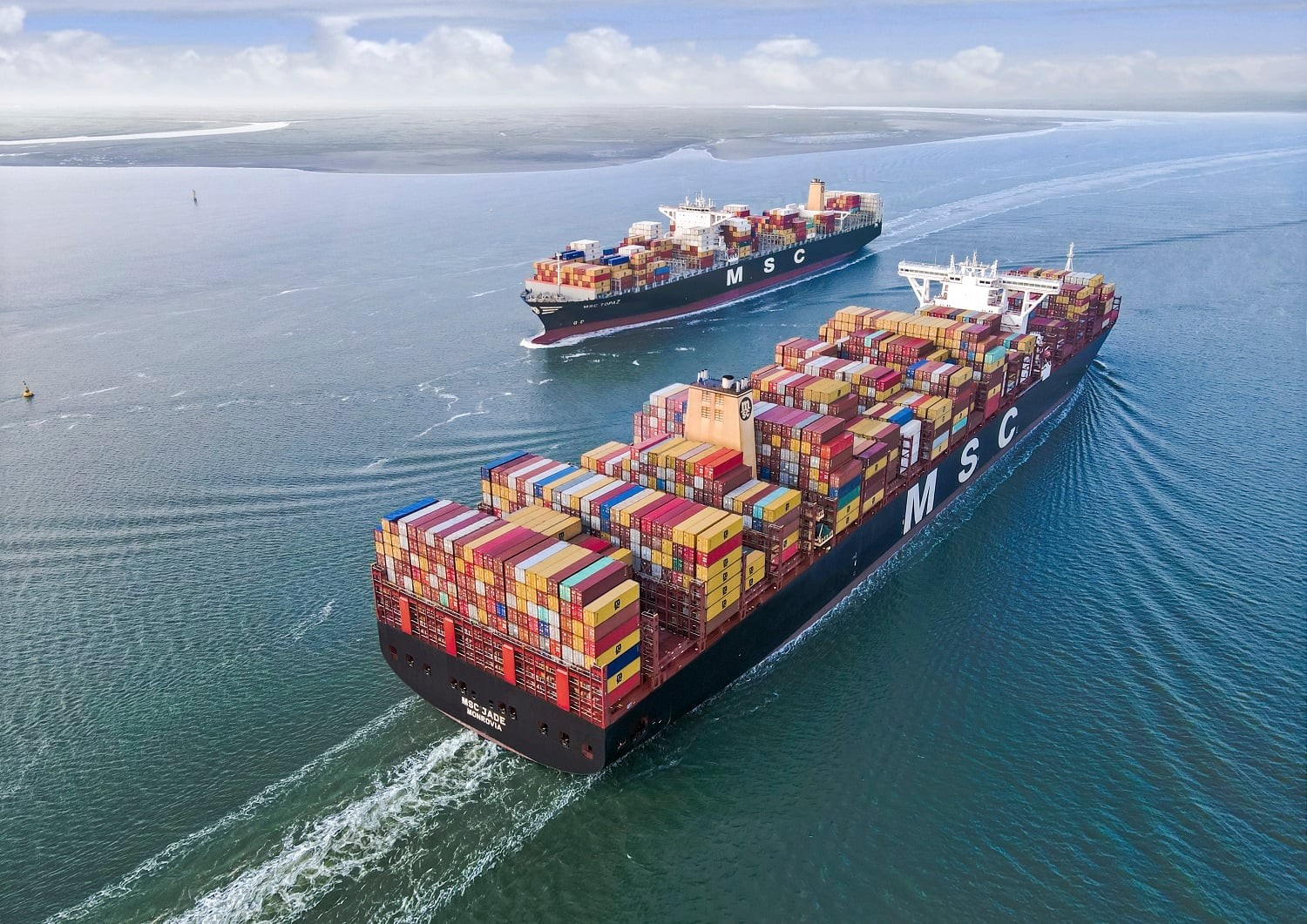
MSC Shipping accused of costly bottlenecks
The Africa Association of Professional Freight Forwarders and Logistics of Nigeria (APFFLON) has accused Mediterranean Shipping Company (MSC) of significantly worsening congestion at Apapa Port. The association claims MSC’s failure to create enough designated collection points and holding bays for empty containers is slowing down cargo movement and increasing costs for importers.
APFFLON’s National President, Otunba Frank Ogunojemite, explained that MSC continues to deliver containers for imports without offering an efficient return system. This has led to long waits for trucks and added to the already heavy traffic in one of the country’s most crowded areas. Importers and freight forwarders, who are already dealing with ongoing government reforms, now face steep charges for keeping containers beyond the allowed time.
Importers pay the price of MSC’s failure
Ogunojemite pointed out that importers are being forced to pay high container detention and demurrage charges because they cannot return empty containers in time. He raised the question of why Nigerian businesses should suffer when the real problem lies with MSC’s lack of infrastructure.
He stated that this practice is nothing short of exploitation. He added that the financial burden hampers the nation’s efforts to lower the cost of doing business. It also hampers efforts to improve port operations. Without strong regulatory action, APFFLON warned that the government’s port reform program may fall short of its goals.
Call for government intervention intensifies
APFFLON is demanding that demurrage and detention fees be waived. It said this should happen when the lack of reception facilities is to blame. It also demands that compensation be provided to those who have suffered losses. It has also urged the Honourable Minister of Marine and Blue Economy. It urged the Nigerian Ports Authority (NPA). It urged the Nigerian Shippers’ Council. It urged the Federal Competition and Consumer Protection Commission (FCCPC). It wants them to investigate and enforce operational standards among all shipping firms.
The association emphasized that Nigeria’s ports should be catalysts for economic growth and not places where inefficiencies lead to profits. It warned that without solutions, the country will struggle to realize its ambitions of becoming a key maritime hub in the region.