
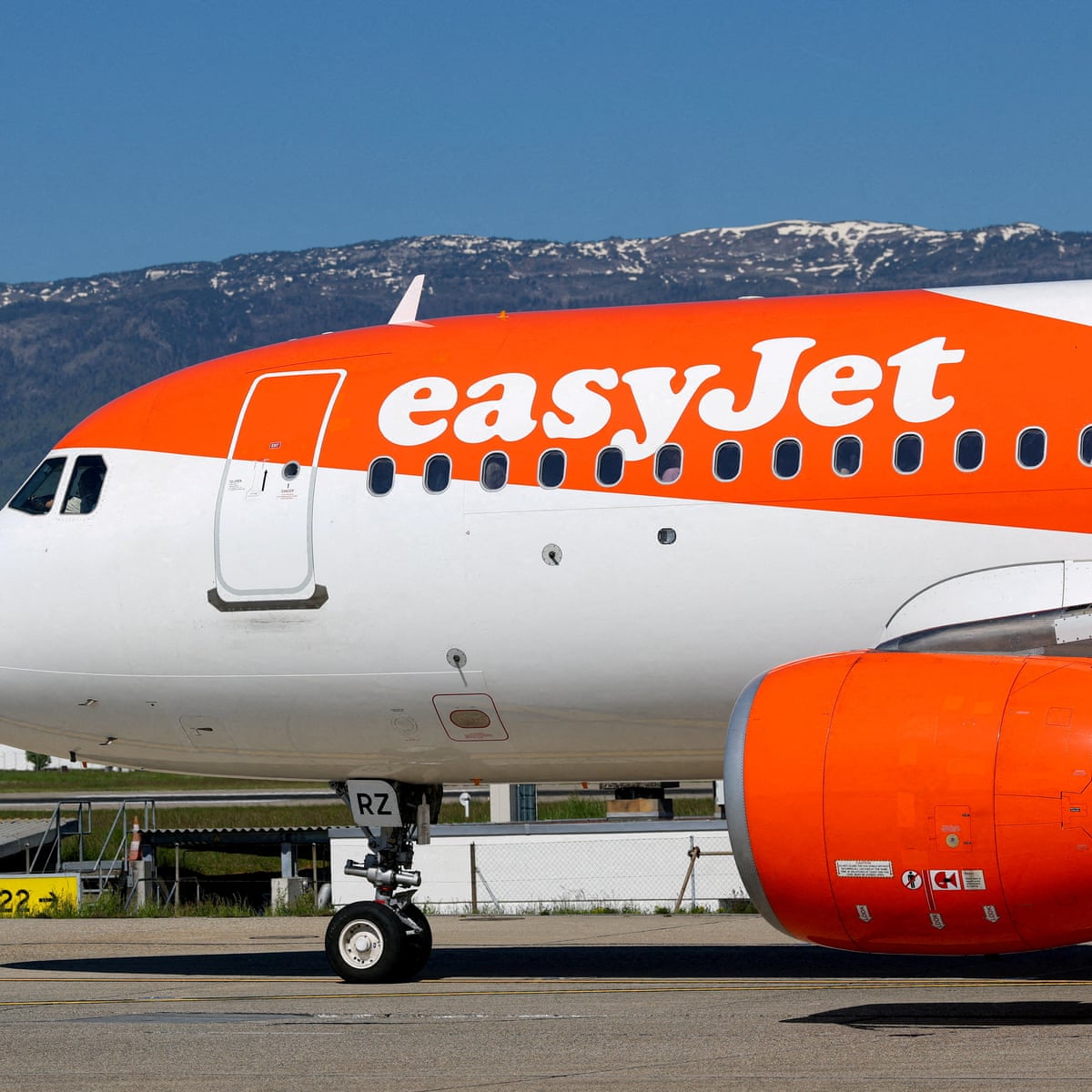
Fuel costs for easyJet jumped by £105m in the second quarter compared to the same period last year, as regional tensions in the Middle East pushed energy prices higher. The conflict, which flared in late February, disrupted supply chains and sent jet fuel prices soaring.
A takeover in the crosshairs
The airline accepted a £5.7bn bid from Apollo Global Management, a deal now under review by EU regulators. Previously, it had agreed to a £5.5bn offer from Castlelake. The uncertainty surrounding ownership has complicated the company’s financial outlook, even as booking activity improved in recent weeks.
easyJet’s chief executive, Kenton Jarvis, said demand for late bookings remains strong due to favorable pricing, but travelers are still hesitant to book far ahead. Customers are hunting for deals, a pattern that could affect the carrier’s revenue stability in the coming months.
A sector under pressure
Ryanair, a key budget rival, also saw a 34% decline in profits to €538m for the same period, largely due to a doubling of jet fuel prices. The carrier had not hedged 20% of its fuel needs, making it more vulnerable to the price swings caused by the war.
Despite the drop in profits, easyJet’s shares climbed more than 5% in early trading on Thursday, recovering from a 10% plunge the day before triggered by news of the EU tightening ownership rules. These changes could affect both bids for the company.
An unnamed EU official told Reuters the review would aim to secure strategic autonomy and ensure regional airlines remain under European control. Apollo has yet to clarify how it plans to satisfy the 51% local ownership requirement, while Castlelake has named EU citizens as co-investors.
Bidding war as distraction or opportunity?
Analysts have warned the ongoing takeover battle could become a distraction for easyJet as it tries to manage the fallout from the war. Garry White of Raymond James said the bids highlight the undervaluation of the airline, according to reports.