
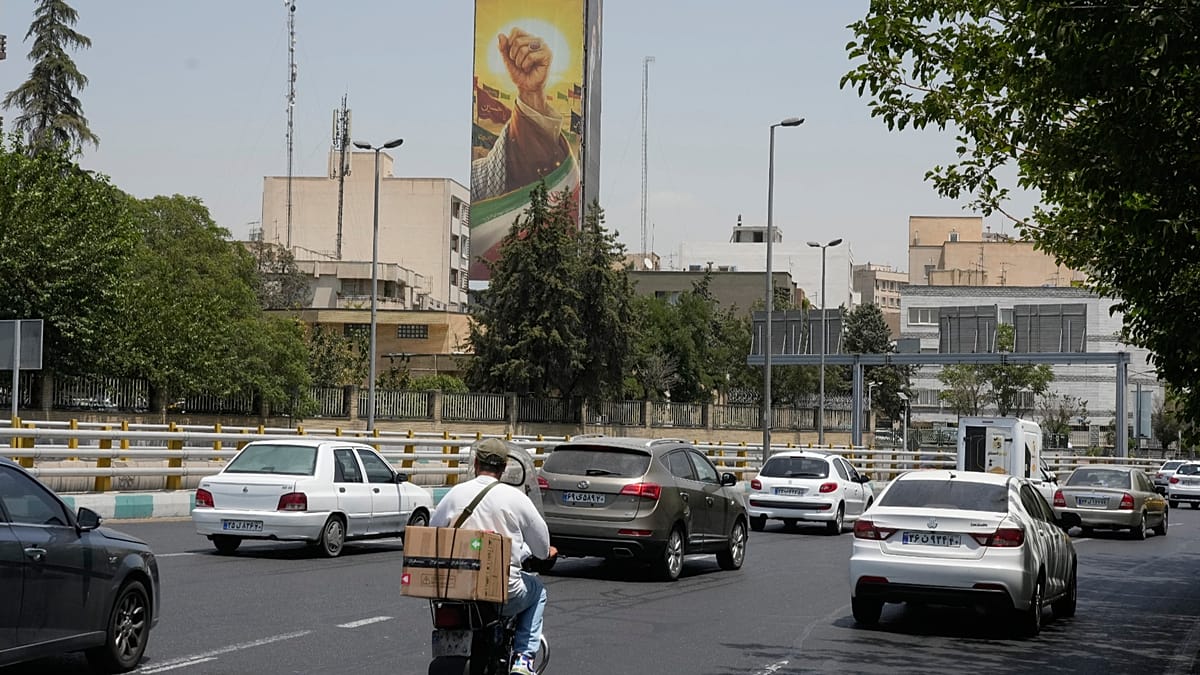
Eleven nights of U.S. airstrikes have become routine. Eleven nights of Iranian retaliation, too. The cycle is costly, volatile, and getting more dangerous by the hour. In the shadow of this war, Pakistan is trying to broker peace, even as the Trump administration says it has no interest in talks until Iran proposes them — and in a meaningful way, as Trump phrased it.
Prime Minister Shehbaz Sharif of Pakistan has been in close contact with Iran, holding urgent meetings with Interior Minister Eskander Momeni and Field Marshal Asim Munir, who helped arrange the now-defunct interim deal. Sharif’s office expressed “deep concern” over the conflict and called for restraint, a plea that goes unheeded by both sides as the war escalates.
U.S. strategy: strikes, threats, and a war bill now at $37.5 billion
U.S. Central Command announced the 11th consecutive night of strikes targeting Iranian military infrastructure. Facilities from aircraft hangars to maritime operations centers were hit. The goal, according to the statement, is to degrade Iran’s ability to disrupt shipping in the Strait of Hormuz — a critical artery for global oil.
Trump, speaking in the Oval Office, made it clear that the U.S. is not opening lines for talks unless Iran does. He suggested the conflict could expand, warning of potential strikes near Iran’s main uranium enrichment sites. His tone was blunt: Washington would not budge unless Iran showed the “meaningful” intent to negotiate.
Iran retaliates with attacks across the Gulf — and on its own soil
Tehran has stepped up its offensive, targeting U.S. allies in Bahrain, Jordan, and Kuwait. Earlier, the Iranian Revolutionary Guards claimed responsibility for an attack that forced the crew of a tanker to abandon it. Iran has also warned it would bomb its own territory rather than allow U.S.
State media reported explosions across Iran, with air defenses activated near Tehran. The Revolutionary Guards are active in the escalation, expanding their reach into maritime and land-based targets. Iran has long positioned itself as unwilling to concede ground, and the current war is a test of that resolve.
A war with global stakes — and no end in sight
The Strait of Hormuz, which once carried about 20% of the world’s crude oil and gas, is now a contested battleground. Both sides have attacked civilian and commercial targets to gain leverage, raising fears of a wider regional war. On Wednesday, Brent crude hit $92 per barrel — a direct consequence of the standoff.
Pentagon Secretary Pete Hegseth, testifying before the Senate, revealed the war has now cost the U.S. $37.5 billion. That’s up from $29 billion in mid-May, and he defended the administration’s request for another $67 billion in supplemental funding. The request, he said, is “urgent” and “necessary,” even as protests interrupted his remarks.
The longer the war drags on, the more it risks becoming a political liability for Trump and the Republican Party, especially with midterm elections approaching. Yet neither side is backing down, and no peace process exists — only the faint hope that Pakistan’s efforts might revive a deal that was never finalized in the first place.