
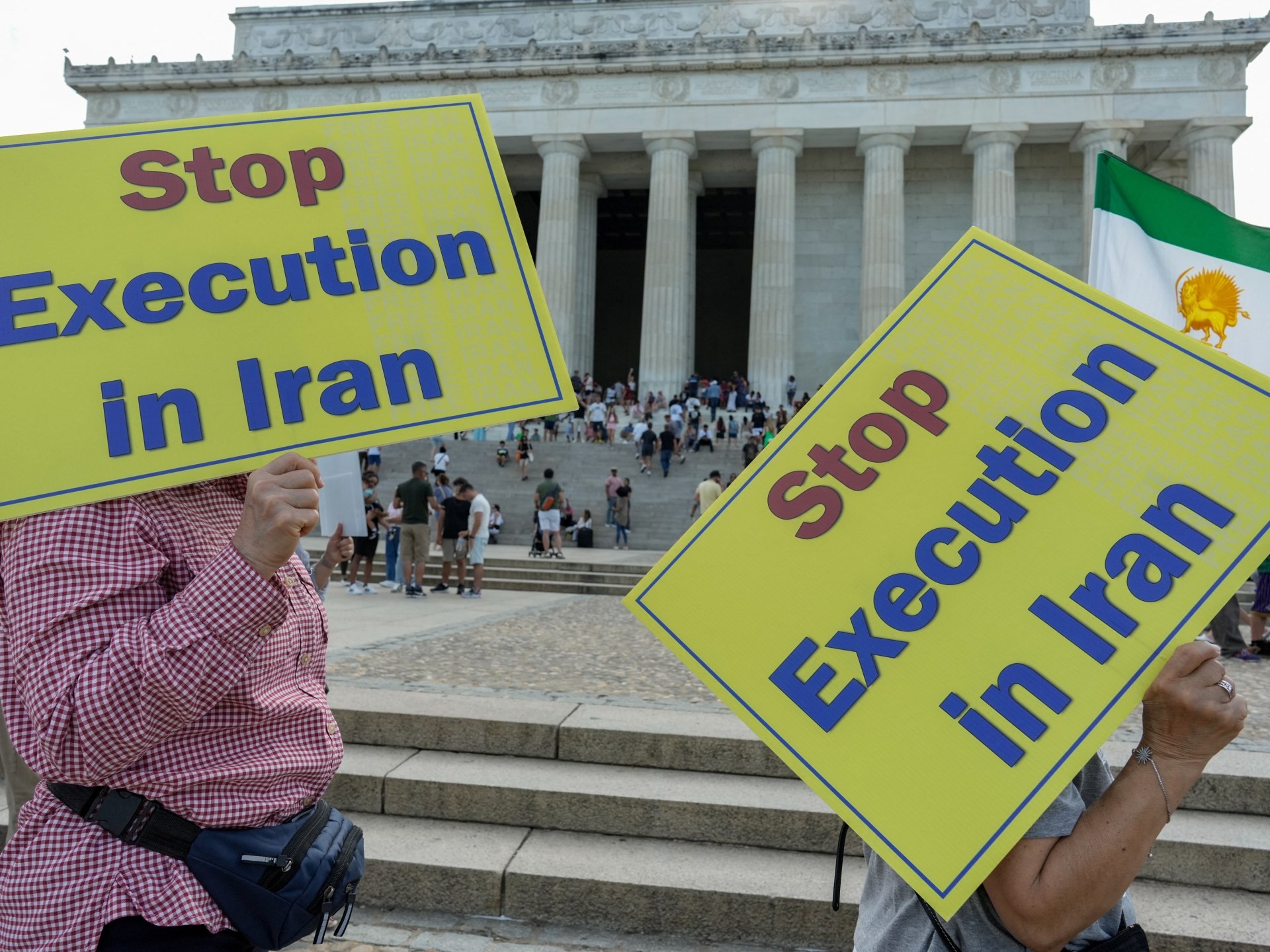
Rise in Executions
Since March 19, Iran has carried out at least 56 state-sanctioned executions, according to Volker Turk, the United Nations High Commissioner for Human Rights. Turk raised alarms over what appears to be a deliberate push to suppress growing public dissent by using the death penalty as a tool to instill fear and maintain control.
The UN Human Rights Office (OHCHR) added that more than 100 other individuals remain at risk of being put to death on similar national security-related charges. Additionally, capital punishment continues to be handed down for drug-related offenses at what experts describe as an alarming pace, deepening global concerns over Iran’s justice system and human rights record.
Turk pointed to deep flaws in the Iranian judiciary, citing a consistent failure to ensure fair trials and due process. He noted that confessions leading to death sentences often come from torture or other forms of mistreatment. The speed and secrecy of these trials have also drawn sharp criticism. According to reports, some executions followed arrests within just a few weeks, with 12 individuals receiving death sentences after only a three-hour closed-door hearing. These proceedings were often conducted without basic legal protections, especially in Revolutionary Courts where cases are processed quickly and privately.
Background of Protests and Responses
The protests started in late December and early January after the value of the Iranian rial collapsed, sparking hyperinflation and sharp increases in food prices. What began as a movement against economic hardship soon expanded into large-scale demonstrations demanding sweeping political reforms. This upsurge in public unrest appears to have triggered the crackdown that led to the recent surge in executions.
Amnesty International, an international rights group, noted in July that Iran’s government appears to be using executions strategically to punish and silence opposition. The organization documented cases where death sentences were issued arbitrarily, often without the safeguards of a proper legal process. Meanwhile, Iranian officials have dismissed the UN's findings, asserting that the death penalty is applied in line with both national law and religious principles. UN experts continue to call for reforms to the penal code and an end to the arbitrary detention of individuals.