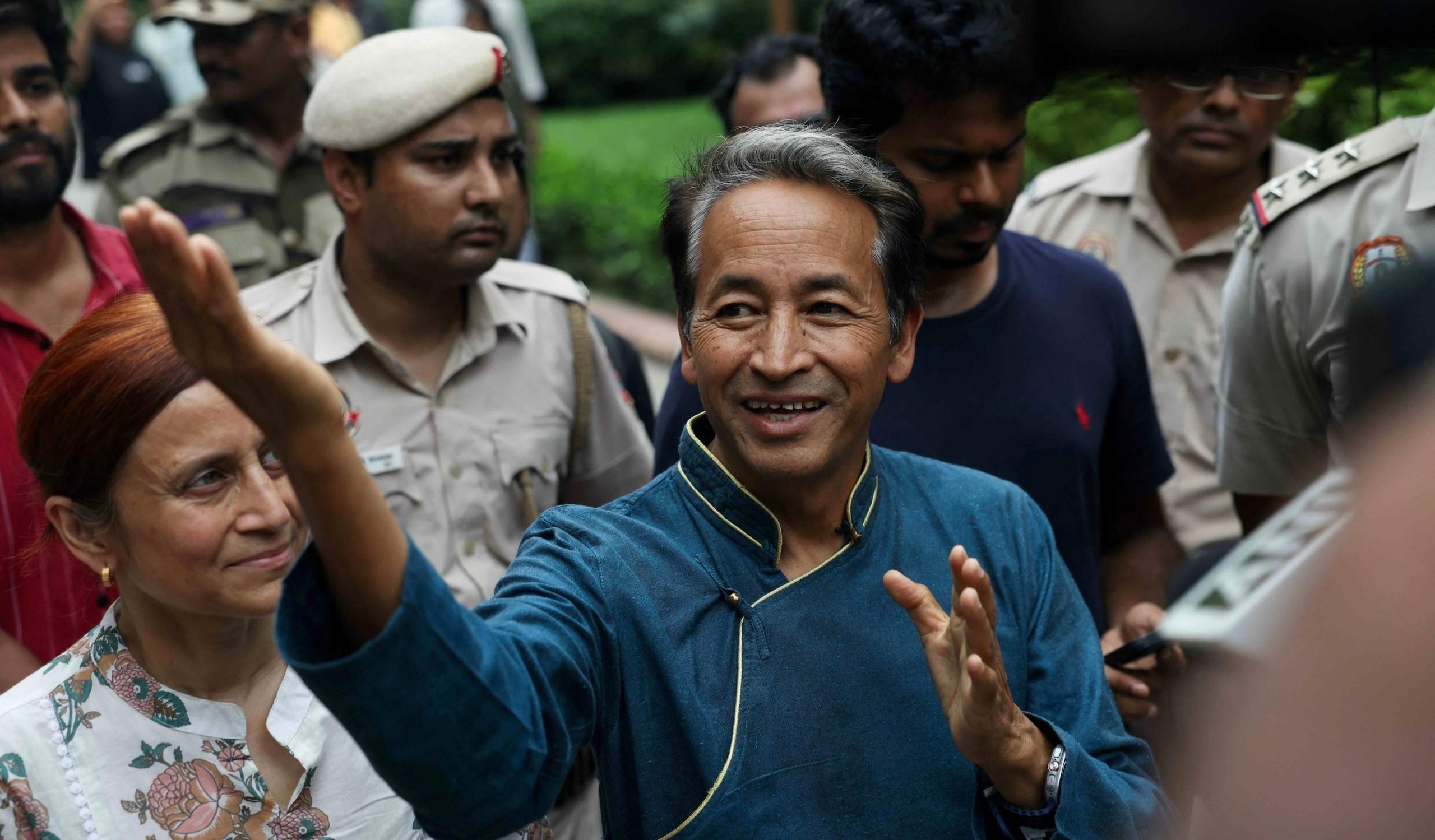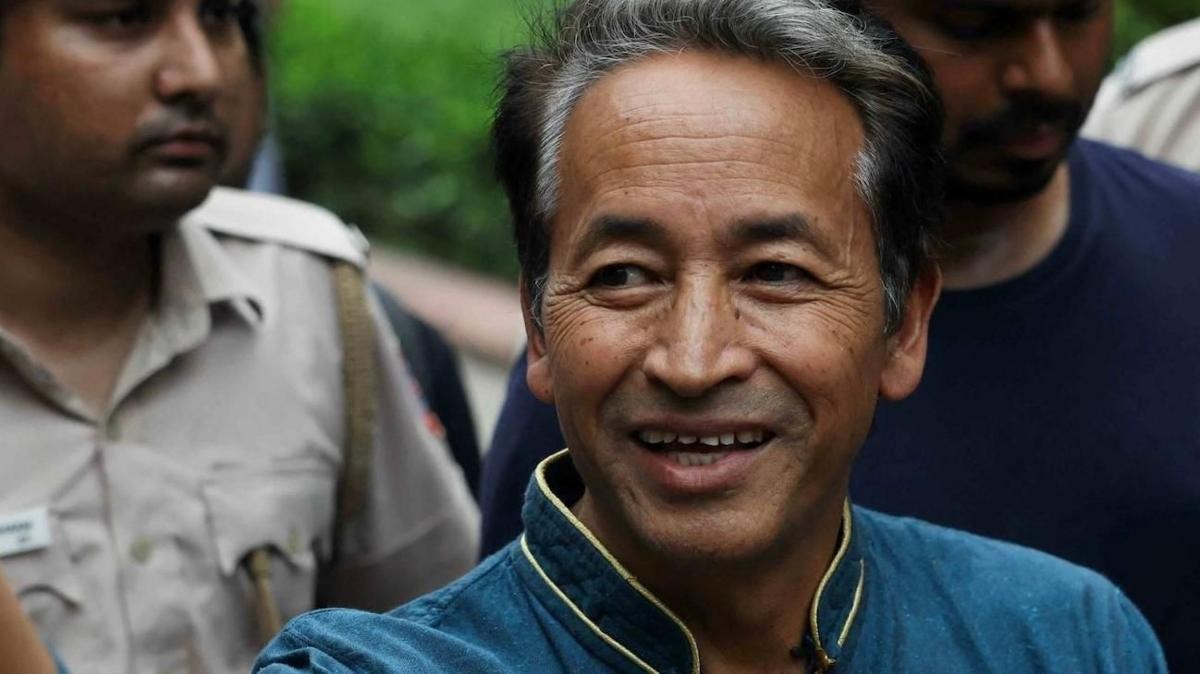
Sonam Wangchuk, a prominent 59-year-old activist, says the recent youth-led protests in India have dealt a major blow to Prime Minister Narendra Modi's government. His hunger strike, which lasted 26 days and involved consuming only salt and water, played a key role in sparking one of the biggest anti-government demonstrations the nation has seen in recent years. These protests, driven by public outrage, have shifted the political landscape and raised concerns about the administration's responsiveness.
The movement, now widely known as the 'cockroach' movement, began after India's chief justice compared some unemployed young people to cockroaches during a court session. This controversial comment triggered a nationwide backlash. Wangchuk's hunger strike in the intense heat of Delhi's summer became a powerful symbol of resistance. His personal sacrifice helped channel public frustration into a broader call for change.
The Origins and Expansion of the Movement
The protests quickly expanded from initial anger over leaked exam papers to a wider critique of the education and employment systems. Wangchuk reported being taken to hospitals by force for the last six days of his fast, which he described as resembling prison conditions. Despite these challenges, the movement gained momentum and led to the resignation of Education Minister Dharmendra Pradhan the day after Wangchuk ended his hunger strike.
Wangchuk believes the government needs to overhaul the education system to address the deep-rooted job crisis in India. He argues that current exams, often limited to multiple-choice formats, fail to assess real-world skills and are disconnected from the needs of the labor market. This outdated approach influences how schools teach, he says, shaping a generation of students who may not be adequately prepared for the workforce.
He suggests that shifting the focus of exams to include hands-on experience and aptitude testing could encourage schools to adapt their teaching methods. “There needs to be some planning of what the world and the country are likely to look like in 15 years,” Wangchuk said, noting that such changes might help ensure more young people find meaningful employment and reduce underemployment in sectors in need of skilled workers. While the government has dismissed concerns about a job crisis, claiming such issues are exaggerated, Wangchuk points to recent political developments to argue otherwise.
Wangchuk believes the recent protests have given young people in India a new sense of confidence and unity. He sees the government's delayed response to the movement as a significant turning point. If officials fail to heed the public's demands, he warns that future protests could extend beyond education and challenge other areas of governance.
Government Response and Compensation Measures
Despite ongoing legal and social challenges for protesters—including court cases, police harassment, and online attacks—Wangchuk remains hopeful. He is currently back in Leh, his hometown in Ladakh, drawing strength from the principles of non-violent resistance practiced by Mahatma Gandhi. He has no plans to run for office, choosing instead to focus on empowering others to lead. Wangchuk emphasizes that inflicting personal hardship can be a powerful tool, stating, “Compared to us using sticks and stones, this makes them feel differently.”
The government has responded to the crisis by announcing measures such as fast-track courts for those accused in exam leaks and appointing a tech billionaire to reform the examination system. Compensation has also been offered to families of students who took their own lives after exam questions were leaked. However, Wangchuk argues these measures are superficial and fail to address the systemic issues contributing to India's youth unemployment crisis, which has averaged around 35-40% for the past 25 years.
He also pointed out the broader societal impact of the protests, noting that they have challenged how Indian society views dissent. The public display of unity among students and youth has, in his view, created a new dynamic where young people are no longer afraid to express their frustrations. As a result, many feel empowered to question authority and push for change in other areas like corruption, labor rights, and environmental protection.
Wangchuk emphasized the importance of sustained pressure on the government, even in the face of repression. He described how, despite the Supreme Court's directive to authorities to refrain from coercive actions against first-time offenders, many activists continue to face harassment and legal threats. These tactics, he said, are designed to intimidate protesters into silence. However, he remains optimistic that the spirit of the movement will endure.
Wangchuk's Broader Activism and Legacy
Wangchuk's activism is not new. Over the years, he has used hunger strikes to advocate for self-rule in Ladakh and to protect ecologically sensitive areas from large-scale development. While these efforts have not always yielded success, he believes the moral and symbolic power of non-violent resistance cannot be ignored. In his view, self-sacrifice can provoke a response from the government and the public alike, creating the conditions for meaningful reform.
As the protests continue to evolve, Wangchuk remains focused on the long-term goal of transforming India's education system. He believes that without fundamental change, the country will remain trapped in a cycle of youth frustration and political instability. In the words of the activist, “It is only when we prepare our children for the future that we can ensure their place in it.”