BRICS Summit Endorses Ethiopia’s Multilateral Agenda
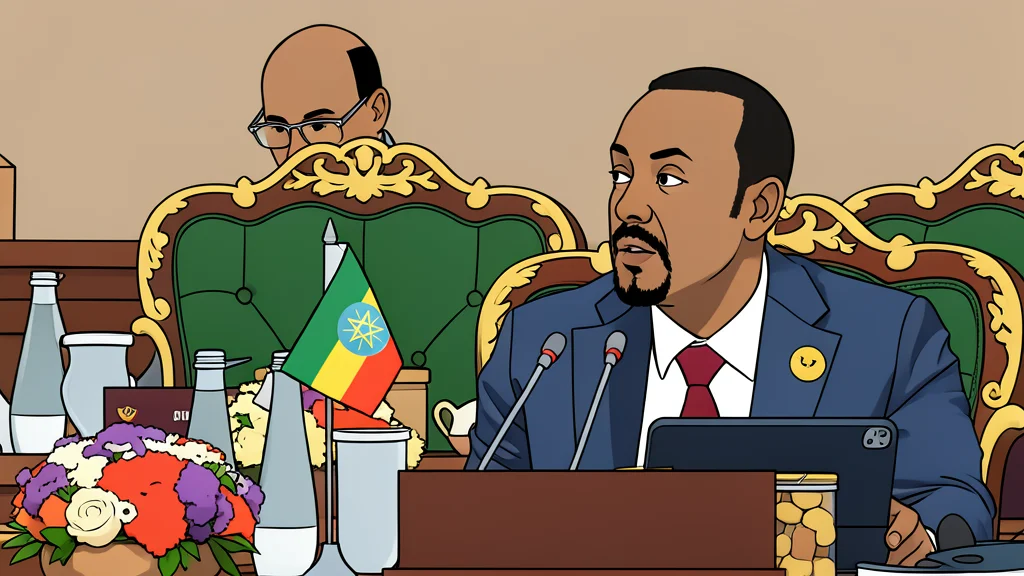
The 18th BRICS Leaders’ Summit in New Delhi concluded with a declaration supporting Ethiopia’s WTO accession, ICAO bid, and 2027 climate conference hosting role.
Leaders of the BRICS bloc concluded their two-day gathering in New Delhi by adopting the New Delhi Declaration, which signals a collective push to reshape global governance and deepen cooperation among emerging economies. The summit, held under the theme of building resilience and sustainability, marked a significant moment for regional alignment and multilateral engagement.
Ethiopian Prime Minister Abiy Ahmed participated in the final day of discussions, where the bloc affirmed support for several key Ethiopian diplomatic and economic initiatives. According to reporting from the GN auto geopolitics/global: international summit, these endorsements reflect a broader strategy to integrate Africa more deeply into global economic and institutional frameworks.
Endorsements for Ethiopian Diplomatic Goals
The New Delhi Declaration, comprising 140 consensus positions, explicitly reaffirmed BRICS support for Ethiopia’s ongoing accession process to the World Trade Organization. This backing is viewed as a critical step toward deepening Ethiopia’s integration into the global trading system, according to statements from the Prime Minister’s office.
In a related development, the leaders expressed strong support for Ethiopia’s candidacy as the sole African Union-endorsed candidate for an additional seat on the International Civil Aviation Organization Council. This move underscores the bloc’s commitment to strengthening institutional representation for Global South nations in specialized international bodies.
Climate Leadership and Future Hosting
The summit also highlighted Ethiopia’s growing role in global climate governance by backing its preparations to host the 32nd United Nations Climate Change Conference in 2027. The declaration emphasized the importance of sustainable economic growth and people-to-people exchanges, aligning with Ethiopia’s broader development priorities.
Beyond these specific endorsements, the declaration called for reforms in global governance institutions to better reflect the interests of emerging economies. This collective stance suggests a concerted effort to address structural imbalances in international organizations and promote a more equitable global order.
Bilateral Engagements and Strategic Partnerships
On the sidelines of the summit, Prime Minister Abiy held a series of bilateral meetings with leaders from BRICS member and partner countries. These discussions focused on expanding cooperation in trade, investment, defense, technology, and digitalization, aiming to foster mutually beneficial partnerships.
As the bloc approved China as the host for the next summit, Ethiopia’s participation highlighted its expanding diplomatic footprint. The forward question remains how these newly solidified partnerships will translate into concrete economic and technological advancements in the coming year.