Kiir Signs Election Law Changes Ahead of December Vote
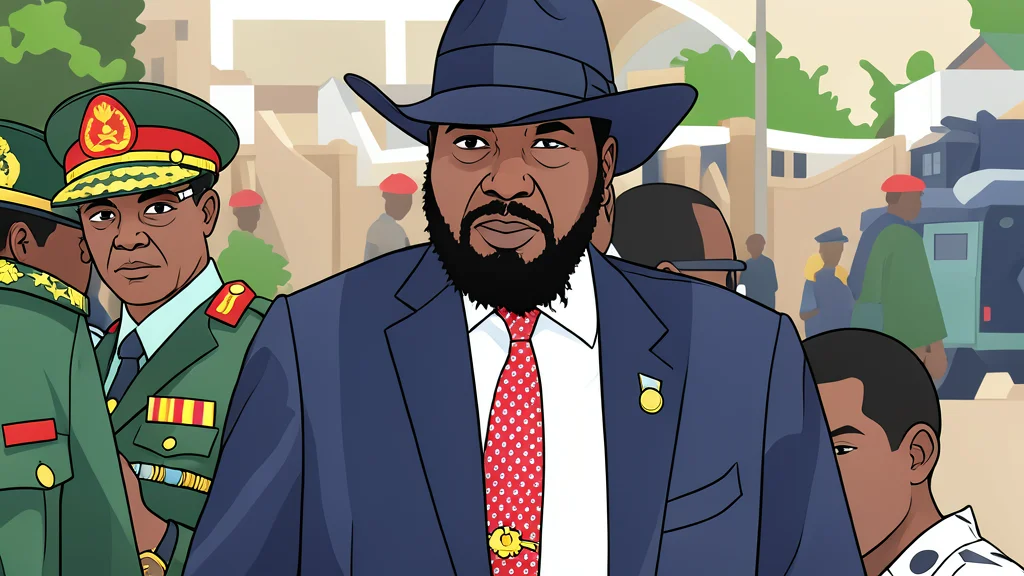
South Sudan’s president signed amendments removing census requirements for the December vote, a move rejected by the opposition alliance.
Key points
- President Kiir signed amendments removing the requirement for a permanent constitution and census before the December 22 vote.
- The opposition alliance rejected the changes, citing a lack of consultation among parties to the 2018 peace agreement.
- The new law reduces the National Legislative Assembly to 270 members and keeps the executive in power until the new president assumes office.
South Sudan President Salva Kiir signed amendments to the country’s election law late on Monday, removing requirements that linked elections to the completion of a permanent constitution and a national census. According to ntvkenya.co.ke, these changes were rejected by the main opposition coalition, which argues the process lacked adequate consultation among the parties to the 2018 peace agreement.
The amendments are intended to clear the way for general elections scheduled for December 22, which would be South Sudan’s first since independence in 2011. Kiir’s office stated that the changes to the National Elections Act of 2012 mark another major milestone in preparations, aligning the legal framework with the transitional constitution to remove provisions that had made the vote contingent on unfinished benchmarks.
Opposition rejects procedural changes
The South Sudan Opposition Alliance, a coalition of parties and a signatory to the 2018 peace agreement, has firmly rejected the legislative updates. The group contends that the amendments were made without sufficient dialogue with key stakeholders involved in the peace process. This dispute highlights the continuing tension between the executive branch and the opposition as the country moves into a critical phase of election preparations, despite the fact that voter registration has not yet begun.
Political rivals face legal challenges
The political landscape is further complicated by the status of Kiir’s longtime rival, Riek Machar, who leads the main opposition SPLM-IO. Machar has been under house arrest since March 2025 and is currently on trial on charges including treason and murder, allegations he denies. Additionally, last week the president replaced the head of the elections commission without providing a public reason for the decision, adding to the uncertainty surrounding the electoral authority.
Legislative structure shifts significantly
The new law also restructures the composition of the country’s legislative bodies, reducing the National Legislative Assembly from 650 to 270 members. State assemblies will be reduced to 58 members from 100, while legislative councils in administrative areas will have 20 members. Under the amended framework, the incumbent executive leadership retains full constitutional powers through the election period, while vice presidents are required to leave office within three months before election day.