Stranded Migrants Begin Relocation from Durban to Gauteng
A group of refugees and asylum seekers are moving from temporary camps in Durban to a repatriation center in Gauteng, driven by months of uncertainty and local tensions.
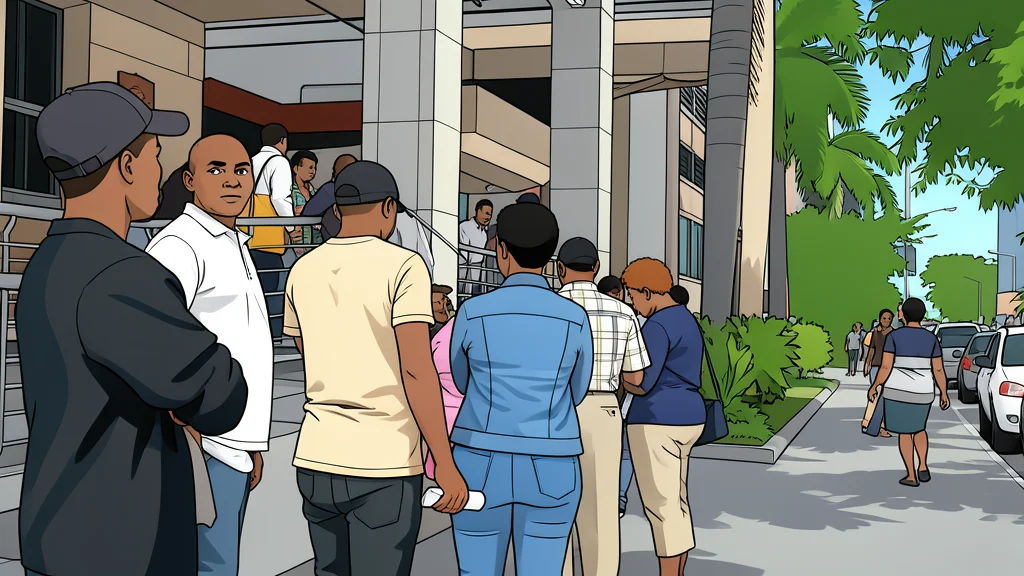
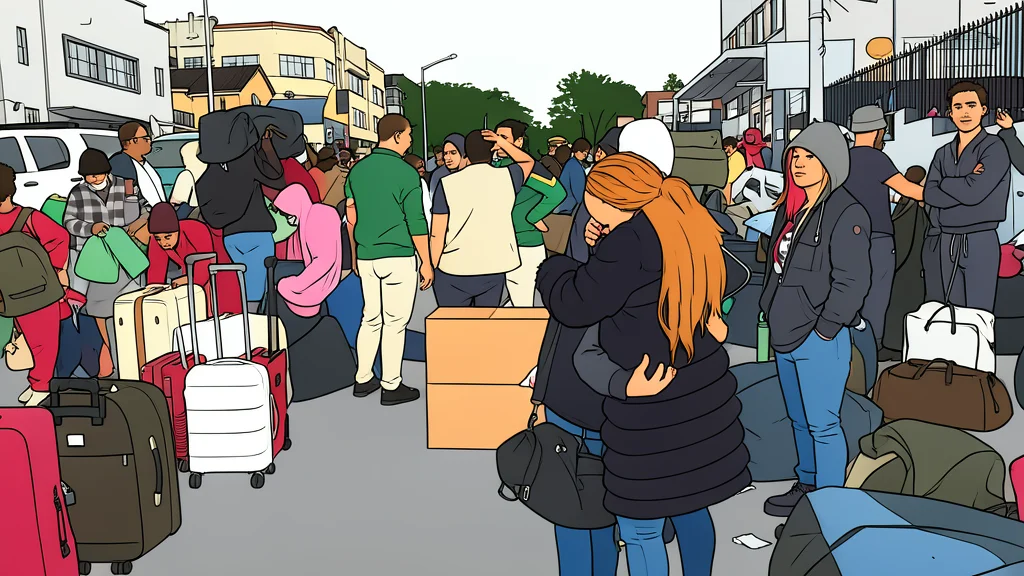
Refugees and asylum seekers who have camped outside Home Affairs offices in Durban since May are being relocated to the Lindela Repatriation Centre in Krugersdorp. The move, coordinated by government officials, involves 278 individuals who have been living in makeshift shelters on Che Guevara Road for several months.
According to GN geopolitics/migration (en-US), the relocation follows a period of heightened tension in KwaZulu-Natal. Many of the individuals involved were displaced from their homes and businesses in the lead-up to the anti-illegal immigration protests in June. The transfer marks a significant shift in the management of these stranded populations, moving them from the city center to a facility in a different province.
Residents express cautious optimism
Emotions among those preparing to leave are complex, blending relief with apprehension. Princess Adjei, a Ghanian hairdresser who has lived in Durban for over a decade, described the decision as necessary due to the feeling of being unwanted in her current environment. She noted that while leaving a familiar city is difficult, the prospect of starting anew in a different location offers a path forward.
Robert Bhabi, a refugee from the Democratic Republic of Congo, echoed this sentiment, expressing hope that conditions in Gauteng might be more favorable. He cited the prevalence of xenophobia in KwaZulu-Natal as a primary driver for accepting the move. For many, the relocation is seen not just as a change of address, but as an opportunity to escape a hostile social climate.
Context of recent unrest
The decision to relocate comes amid a backdrop of significant social friction. In recent weeks, the organization March and March held demonstrations outside the camp, one of which turned violent. These events have intensified the pressure on local authorities to find a sustainable solution for the stranded community. The camp on Che Guevara Road has become a focal point for debates over immigration, security, and human rights.
Home Affairs officials have emphasized that the transfer to Lindela is a structured process designed to provide shelter and order. However, observers note that the underlying issues of displacement and integration remain unresolved. The move to Gauteng raises questions about the long-term status of these individuals and the capacity of the receiving province to support them.
Divergent choices among migrants
Not all individuals associated with the camp are participating in the transfer. According to reports, some refugees and asylum seekers have chosen to remain in Durban despite the planned relocation. This divergence highlights the varied personal circumstances and risk assessments within the community. Some may have established networks or livelihoods that make leaving difficult, while others may have different concerns about the conditions in Gauteng.
The situation underscores the complexity of managing migrant populations in urban centers. As the first group departs for Krugersdorp, attention will turn to how the remaining individuals in Durban are supported and whether similar tensions will persist. The next few weeks will be critical in determining the stability of the region and the effectiveness of the government's response.