Uganda's Freedom Score Drops to 33 Amid Anti-LGBT Legislation
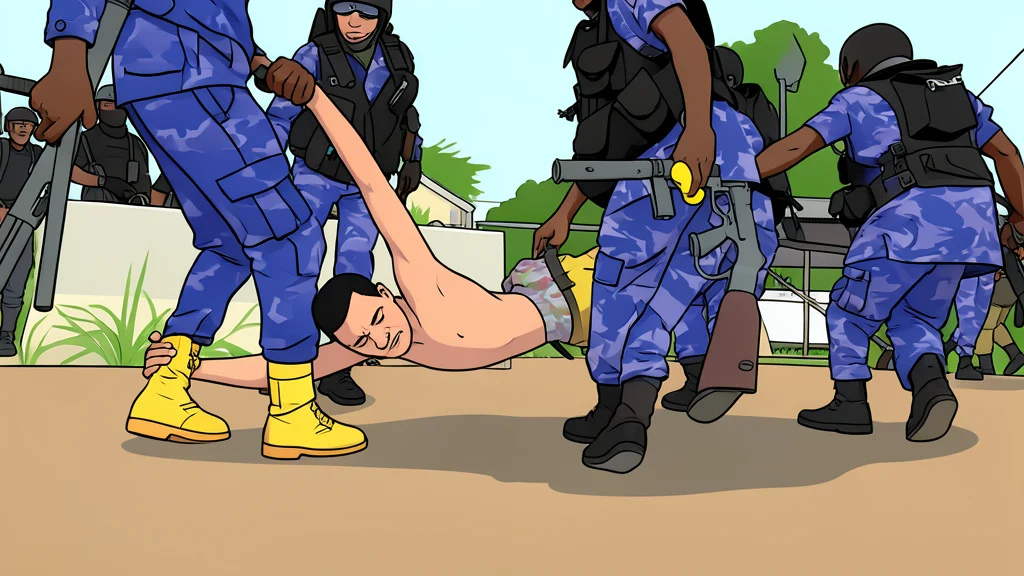
Freedom House cites the Anti-Homosexuality Act and political repression as key drivers behind Uganda's declining civil liberties score.
Key points
- Freedom House rates Uganda as Not Free with a score of 33 out of 100, down from 34 in prior years.
- The Anti-Homosexuality Act is cited as a major cause for the decline in rights scores for LGBTQI+ individuals.
- Political rights scored 10 out of 40, while civil liberties scored 23 out of 60 due to opposition repression.
Uganda has been classified as "Not Free" by the U.S.-based advocacy group Freedom House, with the organization attributing part of this designation to the severe legal restrictions imposed on the LGBTQI+ community. The latest assessment places the country’s Global Freedom Score at 33 out of 100, marking a slight decline from previous years and reflecting a broader pattern of eroding political rights and civil liberties within the East African nation.
According to the report, the downgrade is closely linked to the enactment of the Anti-Homosexuality Act in May 2023, which introduced harsher penalties for same-sex relationships. This legislative move has contributed to a significant deterioration in the safety and political representation of queer individuals, further compounded by challenges facing the political opposition and civil society organizations.
Legal Restrictions Drive Score Decline
The Anti-Homosexuality Act is cited as a primary factor in the score downgrade, particularly under the category of political rights and electoral opportunities for diverse population segments. The legislation imposes severe sentences for what it defines as the promotion of homosexuality and introduces capital punishment for aggravated cases, according to the report. This shift has led to a marked decrease in the score for subgroup rights, which fell from 2 to 1 in the annual ratings following the law's implementation.
Freedom House notes that these legal changes have fostered an environment of pervasive discrimination and state hostility toward LGBTQI+ individuals. The organization highlights that the act not only criminalizes specific behaviors but also exacerbates social stigma, limiting the ability of these groups to participate fully in public life or access basic protections without fear of prosecution or violence.
Political Rights and Civil Liberties
Beyond the specific impact on the LGBTQI+ community, the report indicates a general decline in the credibility of Uganda’s electoral processes. Although the country holds regular elections, Freedom House states that the integrity of these votes has deteriorated due to the long-standing dominance of the National Resistance Movement. The party has maintained power since 1986, reportedly through patronage networks, intimidation tactics, and the politicized prosecution of opposition leaders.
Civil society organizations and media outlets also face increasing pressure, with the report documenting a rise in legal harassment, burdensome registration requirements, and state violence. Human rights groups have reported incidents of office break-ins and uninvestigated burglaries, suggesting a climate of insecurity for those advocating for accountability and transparency. These factors collectively contribute to the low score of 23 out of 60 in the civil liberties category.
Digital Harassment and Surveillance
The report also highlights significant issues regarding online freedom, noting that digital spaces have become arenas for targeted harassment against LGBTQI+ individuals. According to the findings, these individuals face online entrapment, doxxing, and account hacking, often leading to criminal prosecutions based on social media activity. This digital surveillance extends the reach of state and societal hostility into the private sphere, further restricting personal freedoms.
Coverage from 76crimes.com has previously detailed how online harassment campaigns target queer Ugandans, reinforcing the findings in the Freedom House report. The intersection of offline legal penalties and online surveillance creates a comprehensive framework of control that significantly impacts the daily lives and safety of these communities. As the political landscape remains tense, observers will likely monitor whether these legal restrictions continue to expand or if international pressure leads to any reversals in policy.