UN Warns Sudan Aid Logistics Face Imminent Collapse
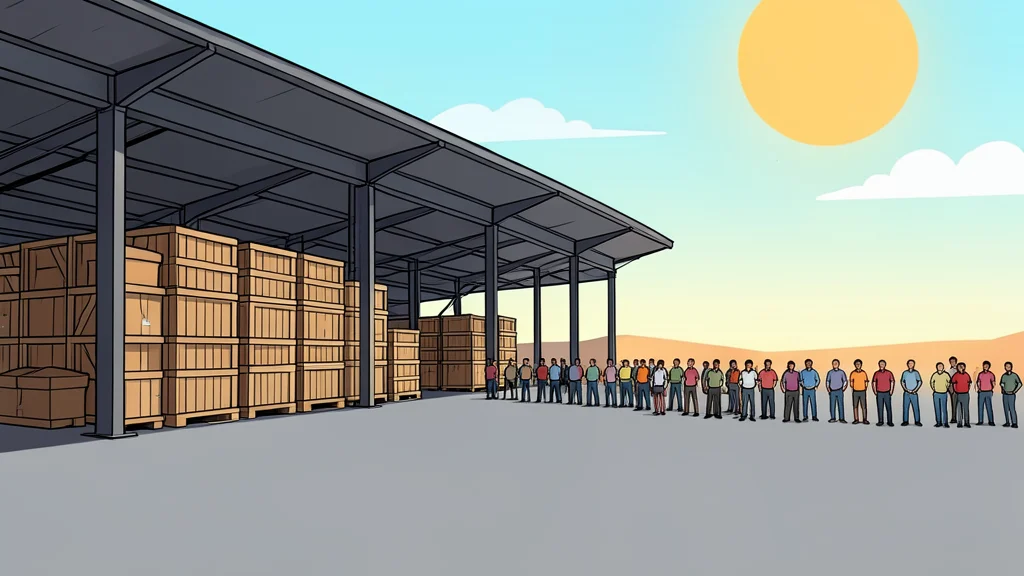
The International Organization for Migration states that the humanitarian pipeline supporting displaced populations in Sudan is on the verge of failure due to severe funding shortfalls.
The International Organization for Migration has issued an urgent warning that the primary logistics network delivering humanitarian aid to Sudan risks collapsing within weeks if immediate financial support is not secured. According to the UN agency, this crisis threatens to halt the distribution of essential non-food items, including shelter materials and emergency household kits, to a population already grappling with one of the world’s most severe displacement crises.
Amy Pope, the chief of the IOM, stated on Monday that the entire humanitarian system faces a critical juncture. The conflict between the Sudanese Armed Forces and the Rapid Support Forces, which escalated in April 2023, has reportedly resulted in over 200,000 deaths according to aid workers. This prolonged war has triggered the largest hunger and displacement crisis currently recorded, placing immense strain on international relief efforts that are now struggling to maintain even minimal operations.
Funding gap shrinks operational reach
The IOM’s Common Humanitarian Pipeline has been the backbone for more than 100 national and international non-governmental organizations delivering aid across the country. Since the start of the war, the system reached 2.84 million people. However, the agency reports a sharp decline in reach as funding has dried up, despite humanitarian needs remaining at record highs. In 2024, the pipeline assisted over one million individuals, whereas in 2026, support has only reached 330,000 people so far.
The agency outlined specific financial requirements to sustain operations. It stated that $15 million is needed to maintain the pipeline at its minimum capacity for the next twelve months. To restore operations to the levels seen in 2024, the IOM calculated that $42 million would be required. Without this donor support, the agency warned that current stocks of shelter, sanitation, and emergency relief items are expected to be depleted by the end of September.
Consequences of halted supply chains
The IOM emphasized that the warehousing and operational capacity required to keep the pipeline running can only be sustained until December 2026. The agency warned that a reduction in access to shelter would leave displaced populations exposed to severe weather, disease, and insecurity. Furthermore, the lack of adequate housing increases the risks of gender-based violence, family separation, and forced evictions within overcrowded displacement sites.
According to the IOM, shelter is the foundation from which protection, health, and recovery can begin. Pope noted that when the pipeline stops, it is not simply warehouses that become empty; the entire humanitarian response becomes significantly harder to deliver. The material from GN auto geopolitics/africa: Sudan conflict highlights that the collapse of this logistical framework would represent a catastrophic failure in the international response to the ongoing conflict.
Urgent need for donor action
The forward question now centers on whether international donors will respond to the IOM’s call for immediate financial intervention. The agency’s timeline suggests that the window for preventing a total collapse of aid delivery is narrowing rapidly. Observers will be watching for new funding commitments in the coming weeks to determine if the minimum operational threshold can be met before the stockpiles are exhausted.