Zambia Issues Public Health Warning Amidst Anthrax Outbreak
Authorities in Zambia have issued urgent advisories following an anthrax outbreak that has claimed the lives of dozens of wild animals and infected twelve local residents.
Zambian authorities have issued a stern warning to the public, urging residents to avoid consuming meat from wildlife that has died suddenly or under unknown circumstances. This directive follows a recent surge in anthrax cases within the Munyamadzi River area, where the disease has already claimed the lives of numerous large mammals. The health crisis has prompted a broader call for vigilance among communities that rely on local fauna for sustenance.
According to a spokesperson for the disaster management agency, at least twelve individuals are currently receiving treatment after contracting the bacteria through the consumption of infected carcasses. While no human fatalities have been reported in this specific incident, the situation has triggered a temporary suspension of hunting activities in the affected zone. Officials stated that this measure is necessary to allow for a comprehensive assessment of the disease's spread and to mitigate further risks to both human health and the local ecosystem.
Recent Wildlife Losses in Muchinga Province
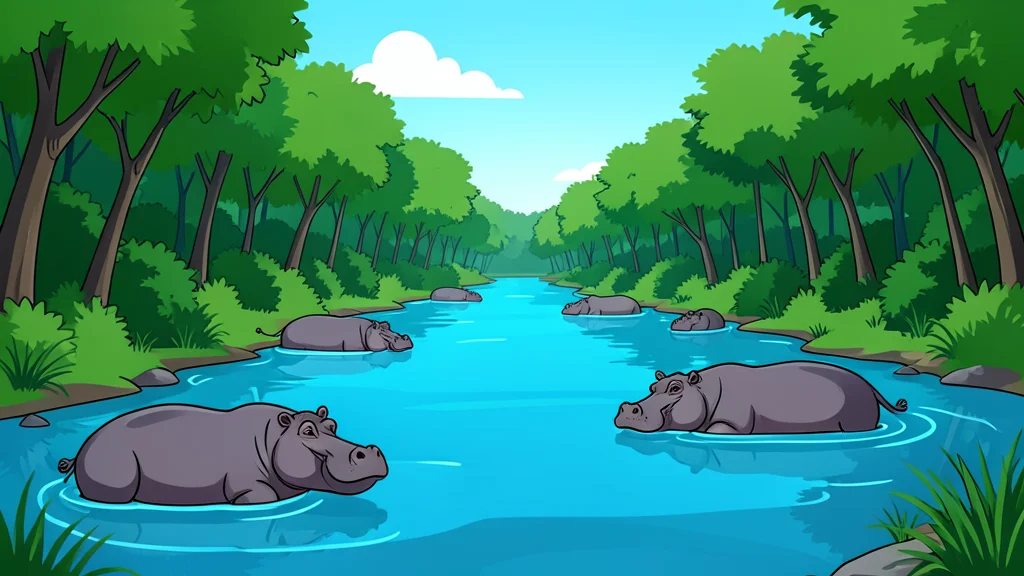
The scale of the mortality event in the Munyamadzi Game Management Area has been significant. Since July, authorities have recorded the deaths of forty-six hippos, eight elephants, five buffaloes, and one crocodile. Norman Chipakupaku, the national coordinator for the Disaster Management and Mitigation Unit, highlighted the difficult reality faced by local populations. He noted that the tragic loss of these animals has led to the consumption of their carcasses, driven largely by the community's dependence on such sources for food security.
This incident underscores the fragile balance between conservation efforts and the immediate nutritional needs of rural populations. The suspension of hunting in the region is intended to provide a buffer for surveillance teams to map the extent of the outbreak. Laboratory investigations are ongoing to determine the precise geographical spread of the pathogen, with officials emphasizing that the full scope of the contamination remains to be established.
Historical Context of Anthrax in Zambia
Anthrax is a known endemic threat in Zambia, caused by the bacterium Bacillus anthracis. The pathogen persists in the soil as spores for extended periods before infecting grazing animals through inhalation or cuts. While the disease primarily affects livestock and wild grazers, it can be transmitted to humans through contact with contaminated animal products. The country has previously experienced severe outbreaks, including an incident in 2023 described as unprecedented, which resulted in four human deaths and affected nine of the country's ten provinces.
The 2011 outbreak serves as a particularly grim precedent for the current situation. During that event, more than five hundred cases were reported, and five individuals died after consuming meat from infected hippos. These historical events illustrate the recurring nature of the threat and the critical importance of public health interventions. According to reports from BBC Africa, the current response focuses on preventing a recurrence of such high-mortality scenarios by strictly enforcing bans on the handling and sale of suspect meat.
Public Health Measures and Future Outlook
In light of the ongoing outbreak, officials have reinforced guidelines advising the public to refrain from consuming, selling, or distributing meat from animals that have died suddenly. There is also a strong recommendation against handling wild animals in the affected areas. The twelve individuals currently under medical care are being monitored closely, and health workers are working to ensure that the disease does not spread further through secondary contact.
As surveillance operations continue, the focus remains on containing the outbreak and educating communities about the risks associated with bushmeat consumption during disease spikes. The coming weeks will be critical in determining whether the temporary hunting ban is extended and how the local ecosystem recovers from the significant loss of large wildlife. Stakeholders are watching closely for updates on the laboratory results, which will dictate the next steps in the national response strategy.