Bolsonso Pledges US Pivot While Facing China Trade Constraints
Flávio Bolsonaro promises closer US ties, but experts note Brazil's heavy reliance on China limits full alignment with Washington.
Key points
- Flávio Bolsonaro promises to join the US 'Shield of the Americas' and seek a free trade agreement with Washington.
- Experts note that China remains Brazil's top trade partner, limiting the extent to which Bolsonaro can sever ties with Beijing.
- Voter surveys indicate that domestic security and the economy are top priorities for Bolsonaro's supporters, not foreign policy.
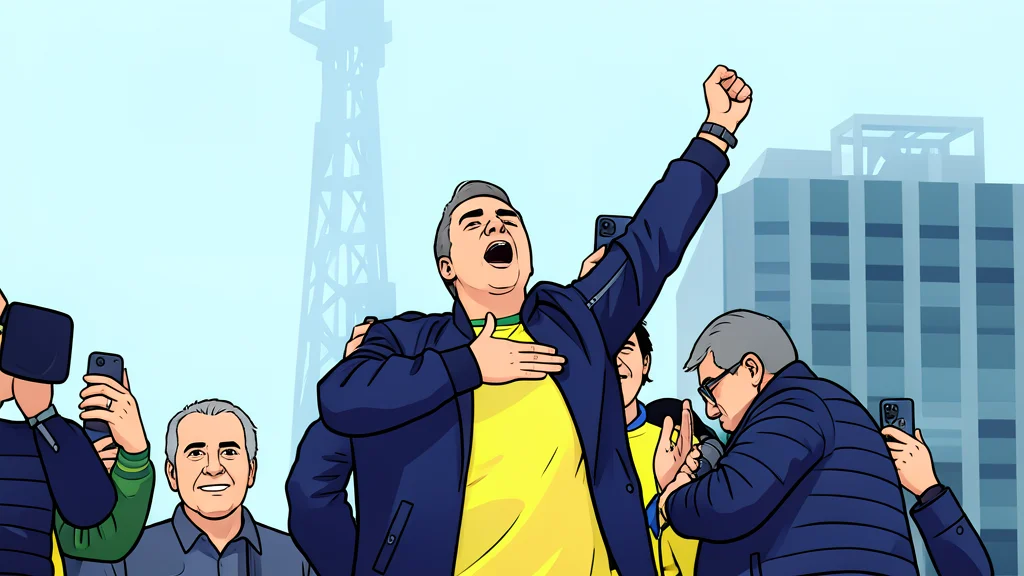
Brazilian presidential candidate Flávio Bolsonaro has outlined a foreign policy platform that prioritizes a stronger alliance with the United States, signaling a departure from the current administration’s balanced approach. At a recent rally in Rio de Janeiro, supporters waved flags of both Brazil and the US, symbolizing the geopolitical shift the candidate intends to enact if he wins the upcoming election.
According to Foreign Policy, this proposed realignment comes against a backdrop of intense political rivalry with incumbent President Luiz Inácio Lula da Silva, who is currently neck and neck with Bolsonaro in the polls. The candidate’s strategy involves moving away from the hedging tactics that have characterized Lula’s tenure, instead seeking to anchor Brazil more firmly within the Western sphere of influence.
Deepening Ties With Washington
Bolsonaro has promised to join Trump’s 'Shield of the Americas' initiative and immediately seek a free trade agreement with Washington. He has also suggested that partnerships on rare earth minerals could help the US reduce its dependency on China, a sector where Beijing currently holds significant dominance. These proposals reflect a broader effort to integrate Brazil into US security and economic frameworks.
The Bolsonaro camp has spent years building connections with US political figures, including former Trump advisor Steve Bannon. This relationship has sometimes strained Brazil’s domestic political landscape, as Eduardo Bolsonaro has urged Washington to impose sanctions on Brazilian judges involved in his father’s legal cases. Despite these tensions, the candidate views closer ties with Washington as a central pillar of his foreign policy agenda.
Economic Constraints From Beijing
Despite the rhetorical pivot toward the US, experts caution that Bolsonaro faces significant structural constraints. China remains Brazil’s top trade partner, and severing these economic links would likely be detrimental to the Brazilian economy. Consequently, analysts suggest that any new administration would likely align with the US on security matters while preserving major commercial ties with Beijing.
This dual approach implies that Brazil may not fully spurn Chinese influence, even as it seeks closer military and strategic cooperation with Washington. The current administration’s efforts to build financial and technological autonomy to shield itself from pressure from either power bloc may also shrink under a Bolsonaro presidency, potentially reducing Brazil’s leverage in multilateral forums.
Voter Priorities And Political Reality
Interestingly, foreign policy is not a leading issue for many of Bolsonaro’s supporters. Interviews conducted at his rallies indicate that voters prioritize domestic security and economic stability over geopolitical alignment. This suggests that the candidate’s foreign policy promises may not be the primary driver of his electoral support, but rather a secondary aspect of his broader political appeal.
Furthermore, Brazilians’ opinion of the United States has declined during the second Trump administration, according to multiple surveys. If Bolsonaro wins, it may be due to dissatisfaction with Lula on domestic issues rather than a desire for a pro-US tilt. The forward question remains how a Bolsonaro administration would balance these competing priorities in practice.