Brazil Cuts Rates Ahead of Presidential Vote Amid Inflation Concerns
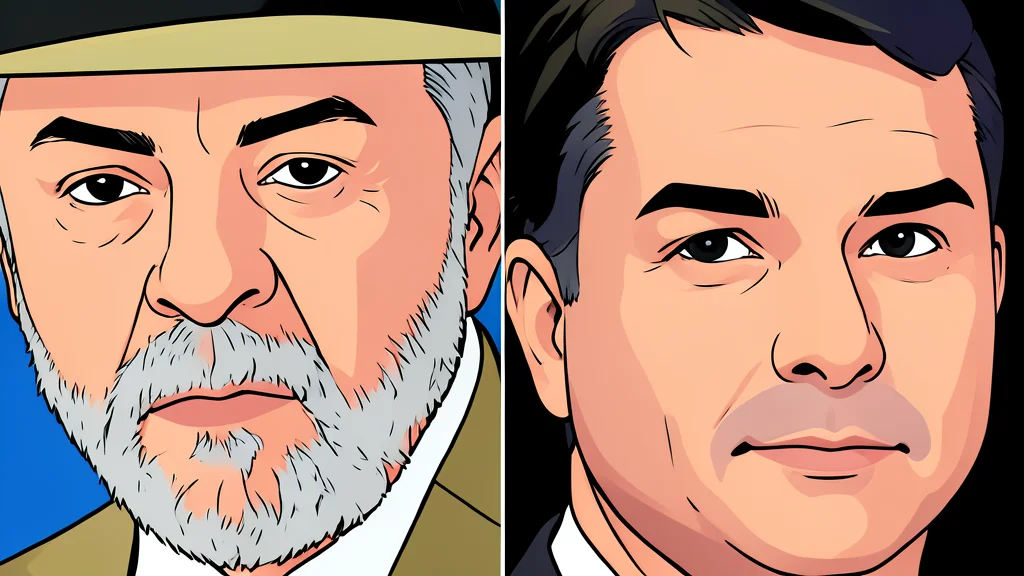
With the presidential election two weeks away, Brazil's central bank lowered its benchmark rate for the fifth consecutive time, balancing growth needs against persistent price pressures.
In a move that arrives with heightened political sensitivity, Brazil’s central bank has reduced its benchmark Selic interest rate from 14% to 13.75%. This marks the fifth consecutive cut in a cycle that began in March, following nearly two years of aggressive rate hikes. The decision comes just two weeks before the start of the presidential election campaign, a timing that has drawn scrutiny from both market analysts and political observers.
According to MercoPress, the monetary policy shift occurs while President Lula da Silva seeks a non-consecutive fourth term. The administration has long advocated for lower rates to stimulate economic growth, a stance that aligns with broader international pressures to ease financial conditions. However, the central bank has proceeded with caution, citing external uncertainties and domestic price risks that complicate the path toward disinflation.
Balancing Growth and Inflation Risks
The Monetary Policy Committee, known as Copom, issued a warning that risks to inflation remain higher than usual, even as the overall inflation rate has fallen within the bank’s target range of 3% plus or minus 1.5 points. This cautious approach reflects concerns about global energy markets, particularly the spike in oil prices driven by geopolitical conflicts in the Middle East. Additionally, uncertainty surrounding the monetary policies of other major economies continues to influence the bank’s decision-making process.
Despite the easing of general inflation, many Brazilians report feeling the pinch of rising living costs. Data from the Brazilian Institute of Geography and Statistics indicates that household food prices rose by 1.73% in May compared to April. Specific items, such as potatoes, saw a significant 26.3% increase, attributed to excessive rainfall in key producing regions like Minas Gerais and Paraná. Other staples, including onions, tomatoes, and milk, also experienced price adjustments, highlighting the persistent challenge of food inflation.
Political Context of Monetary Policy
The timing of the rate cut has intensified debates about the independence of monetary policy from political influence. President Lula’s campaign has emphasized the need for lower borrowing costs to boost consumption and investment. In the polls, he is neck-and-neck with conservative senator Flavio Bolsonaro, the son of former President Jair Bolsonaro, who is currently incarcerated. The election, starting October 4, will likely see economic stability and cost-of-living issues as central themes for voters.
Market Watchers Await Clarity
As the election campaign ramps up, attention turns to how the central bank will navigate the next few months. The upcoming Copom meetings will be critical in signaling whether the current easing cycle will continue or pause if inflationary pressures resurface. Investors and policymakers are watching closely for any signs of policy shift, particularly given the volatile global environment and the domestic food price trends that continue to affect household budgets.