Federal Lawsuit Seeks to Block Armed Agents at Polling Places

A new federal lawsuit challenges the potential deployment of immigration officers near voting sites during the upcoming midterms.
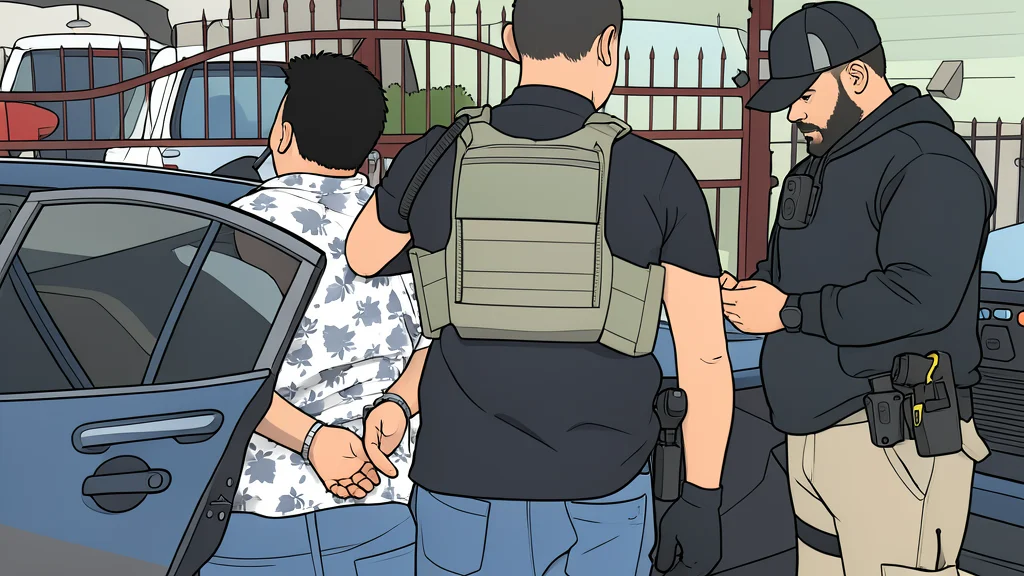
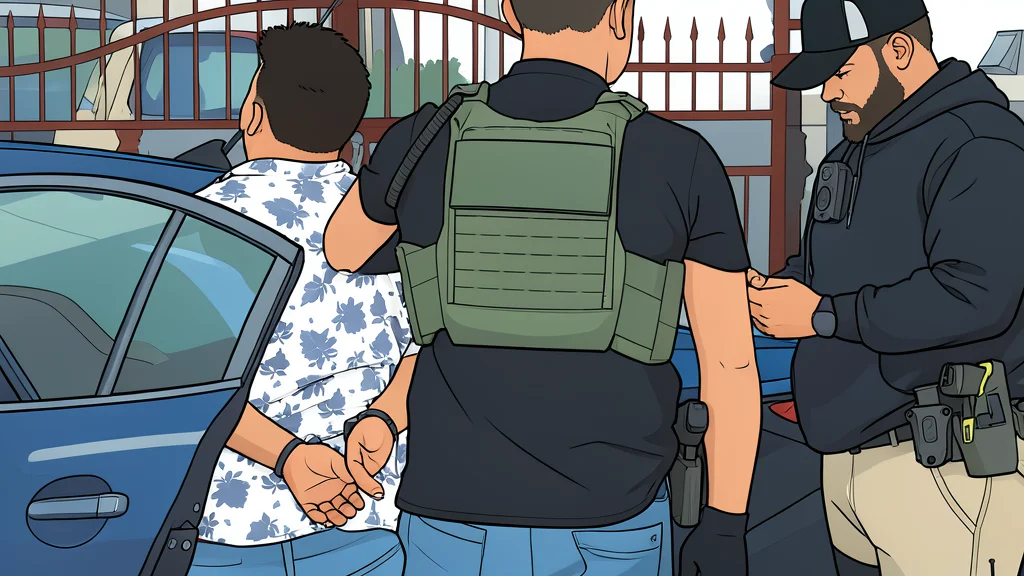
Civil rights organizations have filed a federal lawsuit seeking to prevent the deployment of armed federal agents near polling stations during the upcoming midterm elections. The legal action, tracked in the GN auto geopolitics/global: election interference docket, targets recent shifts in departmental policies that allegedly reversed longstanding guidelines prohibiting the presence of law enforcement at voting locations.
Plaintiffs argue that these policy changes, combined with aggressive immigration enforcement actions that have reportedly included the arrest of U.S. citizens, create an atmosphere of intimidation. The lawsuit contends that placing federal agents at or near polling sites could violate Section 11(b) of the Voting Rights Act by deterring eligible voters from exercising their right to participate in the democratic process.
Legal Basis for Challenging Deployment
The core of the complaint rests on the assertion that federal law explicitly bans any person from intimidating voters for the purpose of interfering with their vote. According to the filing, the administration’s current stance departs from historical norms that kept armed officers away from voting sites to ensure a neutral environment. Pro-voting and labor groups assert that the mere presence of federal agents could be interpreted as a threat, particularly by communities that have recently experienced high-profile enforcement actions.
The plaintiffs seek a court order to block the administration from deploying agents in any manner that could chill voter participation. They emphasize that the Voting Rights Act was designed to protect the integrity of the ballot box from external pressure, whether that pressure comes from private actors or state-sponsored forces. The legal team argues that the current trajectory risks undermining the fundamental principle that voting should be a safe and uncoerced act.
Context of Recent Enforcement Actions
This legal challenge arrives amid heightened scrutiny of federal immigration enforcement over the past year and a half. Reports of high-profile incidents, including the detention of American citizens, have intensified concerns about the scope and impact of these operations. Officials within the administration have previously suggested that immigration enforcement could extend to polling places, a move that critics view as a significant escalation in the politicization of election administration.
Implications for Midterm Election Security
The outcome of this case could set a precedent for the level of federal presence allowed at voting sites in future elections. If the court sides with the plaintiffs, it would reinforce a strict interpretation of the Voting Rights Act regarding the separation of law enforcement and electoral participation. Conversely, a ruling in favor of the administration could open the door for broader federal involvement in local election management.
As the midterm elections approach, stakeholders are watching closely for judicial rulings that may define the boundaries of federal authority in the voting process. The next critical step will be the court’s response to the motion for a preliminary injunction, which could determine whether agents are barred from polling places before voting day. Observers will look for signals on how judges weigh the government’s interest in immigration enforcement against the statutory protection of voter freedom.