Lula Warns Against Foreign Interference in Brazil's October Vote
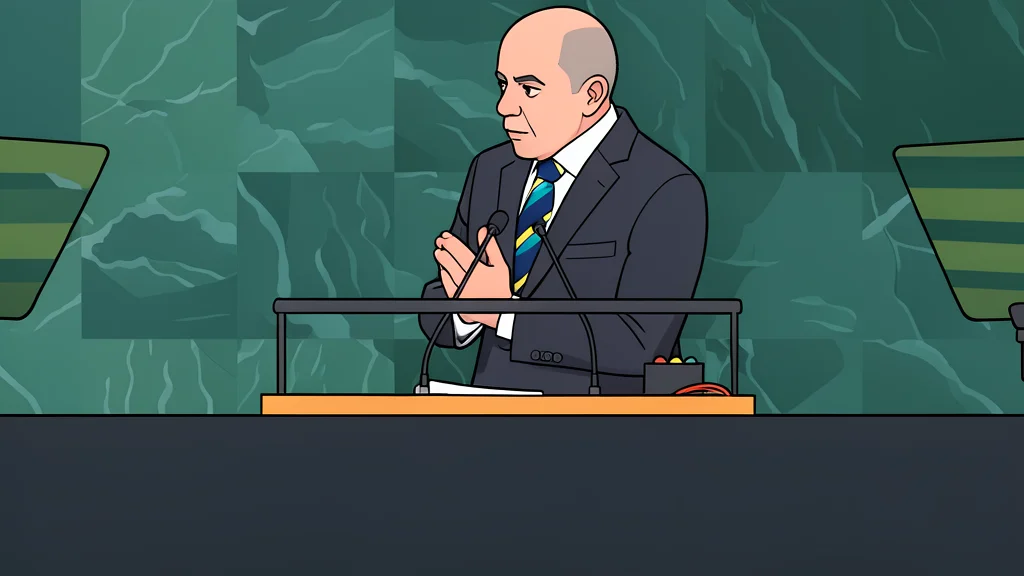
Brazil's leader rejected external roles in combating crime and protecting elections at the UN, citing ties to US designations of local gangs.
Key points
- Lula rejected foreign interference in Brazil's October election, citing alignment of rivals with external interests.
- The president criticized US designations of Brazilian gangs as terrorists, arguing for cooperation over intervention.
- Polls show a statistical tie between Lula and challenger Flavio Bolsonaro ahead of the second-round runoff.
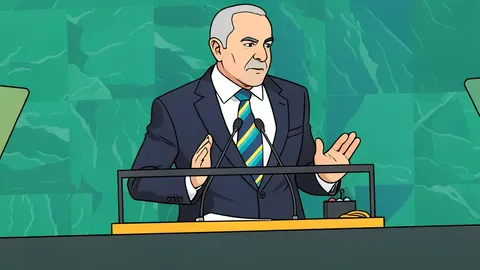
Brazilian President Luiz Inacio Lula da Silva addressed the United Nations General Assembly on Tuesday to assert national sovereignty over the upcoming October presidential election. According to The Straits Times, Lula framed the contest as a choice between democracy and denialism, explicitly rejecting any outside influence in Brazil's internal political affairs.
The remarks appeared targeted at both Washington and domestic political rivals. Lula stated that Brazil would not allow internal or external enemies to undermine the popular will, emphasizing that the country’s electoral system is modern and robust against disinformation campaigns.
Political Context of the Warning
Analysts view the speech as a direct response to right-wing challenger Flavio Bolsonaro, who is currently under house arrest following his conviction for attempting to overturn the 2022 election results. Flavio, the eldest son of former President Jair Bolsonaro, has aligned his campaign with international figures including US President Donald Trump and Argentine President Javier Milei.
Opinion polls indicate a statistical tie between Lula and Flavio in a potential second-round runoff. Lula noted that while all candidates enjoy freedom of expression, some abuse that right to align with foreign interests that conflict with national priorities.
Security and Diplomatic Tensions
Lula also addressed the issue of organized crime, rejecting the idea of external intervention. He criticized earlier US designations of two major Brazilian drug gangs as terrorist organizations, describing such moves as undue interference in internal affairs.
The president argued that Brazil does not require military presence in its waters but rather international cooperation to curb the flow of weapons and money. He stated that he had personally conveyed this message to President Trump, calling for a collaborative approach rather than geopolitical domination.
Implications for Regional Stability
The strong stance on sovereignty highlights the growing friction between Brazil and Western partners over issues of law enforcement and electoral integrity. As the campaign intensifies, the distinction between domestic policy and international relations remains a central point of contention.
Observers will now watch for further diplomatic responses from Washington and how Brazilian authorities frame their counter-narcotics efforts in the coming weeks. The upcoming months may see increased scrutiny of cross-border cooperation mechanisms and the rhetoric surrounding the final stages of the electoral process.