US Deportations to Third Countries Reach 25,000 Under Secret Deals
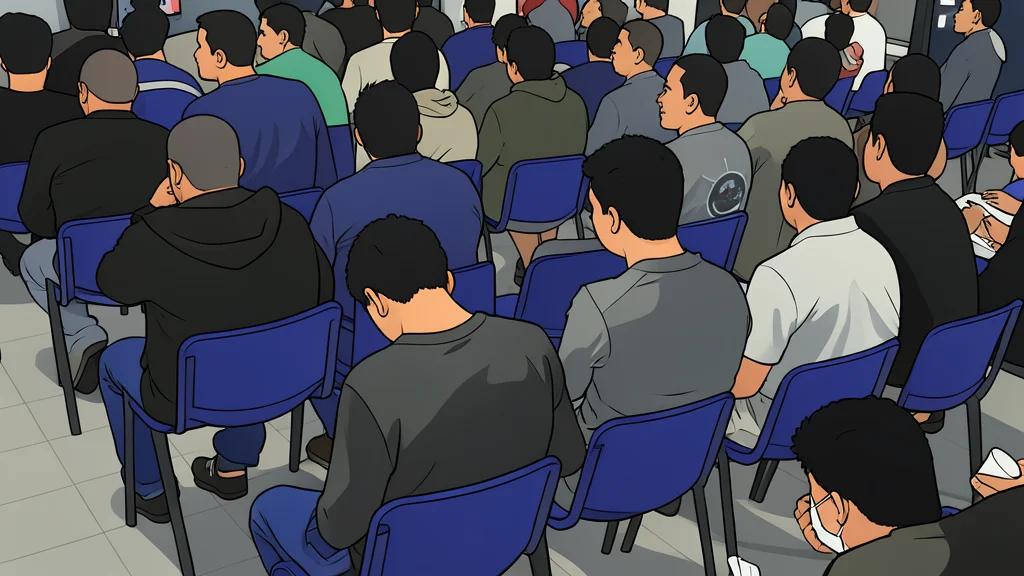
French NGO investigation reveals over 25,000 migrants deported to 35 nations via secret agreements.
Key points
- Over 25,000 migrants were deported to third countries under secret US agreements.
- The US allocated $410 million to facilitate these transfers with 35 developing nations.
- Diplomatic pressure, including visa bans, was used to secure cooperation from partner countries.
A recent investigation by the France-based non-governmental organization Forbidden Stories indicates that the United States has deported more than 25,000 individuals to third countries under the current administration. These transfers were conducted pursuant to confidential agreements with developing nations, a practice that has raised significant questions regarding the legal and ethical frameworks governing international migration.
According to the report, Washington has allocated approximately $410 million to facilitate these operations since President Donald Trump returned to office in January 2025. The data, compiled by the NGO, suggests that the majority of those deported had no prior connection to the receiving countries, effectively turning third nations into destinations for individuals who could not be returned to their countries of origin.
Secret Agreements with Developing Nations
The investigation details that the US government has signed pacts with 35 different developing countries to accept these migrants. Pars Today, citing IRNA, notes that this strategy involves utilizing diplomatic leverage, including visa restrictions and bans, to pressure partner nations into accepting deportees. This approach marks a shift in how the US manages migration from individuals who do not qualify for standard repatriation processes.
By the end of August, the number of people transferred under these arrangements had reached at least 25,447. The financial commitment of $410 million underscores the scale of the operation, highlighting a systematic effort to manage migration flows through bilateral rather than multilateral channels. Critics argue that this method bypasses standard international protections for migrants.
Diplomatic Pressure and Visa Restrictions
Earlier reporting by Agence France-Presse suggested that the US has employed visa bans and travel restrictions on African nations as a tool to compel them to accept deportees. This tactic aligns with the broader strategy identified in the Forbidden Stories investigation, where economic and diplomatic incentives are used to secure cooperation from countries that might otherwise decline such requests. The reliance on bilateral pressure raises concerns about the sovereignty and voluntary nature of these agreements.
The use of developing nations as destinations for migrants with no ties to those regions has drawn scrutiny from human rights advocates. They argue that this practice may violate international laws regarding the non-refoulement of migrants and the right to seek asylum. The transparency of these secret agreements remains a point of contention, with calls for greater public disclosure and oversight.
Future Implications for Migration Policy
As the US continues to implement these policies, the international community is watching closely for further developments. The potential expansion of such agreements could reshape global migration patterns and diplomatic relations between the US and developing nations. Observers are particularly interested in how other countries might respond to similar pressure tactics and whether international bodies will intervene to address the legal ambiguities surrounding these third-country transfers.
The coming months will likely see increased scrutiny from both domestic and international stakeholders. Legal challenges may arise as advocates push for greater transparency and accountability in the deportation process. The outcome of these efforts will have significant implications for the future of US migration policy and its relationship with the broader international community.