Cambodia and Thailand Begin UNCLOS Conciliation Process

Foreign ministers from Cambodia and Thailand have convened in Singapore to commence a formal U.N. arbitration process aimed at resolving a long-standing maritime dispute in the Gulf of Thailand.
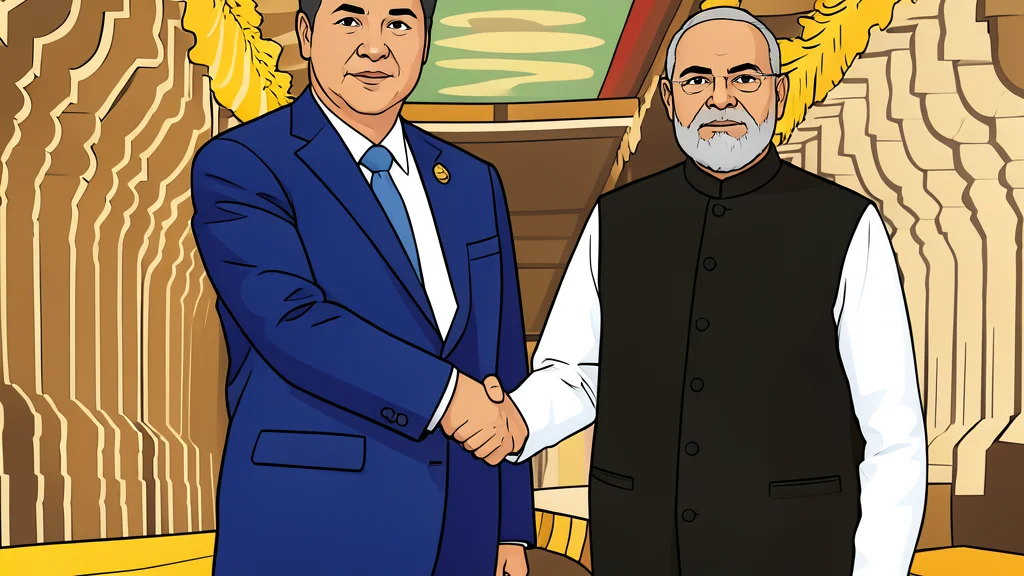
BANGKOK — Foreign ministers of Cambodia and Thailand delivered opening statements on Tuesday at the inaugural session of a United Nations arbitration process designed to address a decades-old maritime boundary dispute. The proceedings, held in Singapore, mark the first time the compulsory conciliation mechanism under the United Nations Convention on the Law of the Sea has been activated between these two Southeast Asian neighbors.
According to reports from GN geopolitics/border, the dispute centers on approximately 26,000 square kilometers of water in the Gulf of Thailand. This contested area is believed to contain significant energy reserves, including nearly 12 trillion cubic feet of natural gas and substantial oil deposits, with an estimated value of $300 billion. The move follows a breakdown in bilateral relations, including deadly border clashes last year and Thailand’s subsequent termination of a 2001 joint development pact.
Diplomatic Positions on Maritime Boundaries
Cambodian Foreign Minister Prak Sokhonn stated that his country is seeking a treaty with Thailand that delimits a single all-purpose maritime boundary. He added that, in the alternative, Cambodia would be prepared to conclude an agreement for the joint development and equitable sharing of resources. This approach reflects a desire to establish a clear legal framework for the region's energy potential.
Thai Foreign Minister Sihasak Phuangketkeow emphasized that the scope of the proceedings is limited to maritime boundary delimitation. He noted that Thailand is entering the process in good faith, mindful of UNCLOS provisions, and highlighted that Bangkok had previously proposed direct talks before resorting to the international legal mechanism. This distinction underscores the differing procedural preferences of the two nations.
Precedent in Regional Arbitration
The compulsory conciliation process, launched by Cambodia in June, involves a panel of independent experts who examine the dispute and issue recommendations. It is important to note that these findings are not legally binding on either party. Historically, this specific U.N.-backed mechanism has been used rarely, with Timor-Leste being a notable case where it helped resolve a decades-long maritime dispute with Australia.
Forward Outlook for Regional Stability
With the first session now concluded, attention turns to the next steps in the conciliation timeline. Observers will watch for the appointment of the independent expert panel and any subsequent statements regarding the scope of evidence to be submitted. The outcome of this process could set a significant precedent for maritime disputes in Southeast Asia, potentially influencing how other nations approach overlapping claims in resource-rich waters.