Cambodia and Thailand Launch Maritime Conciliation Process

Foreign ministers from both nations have opened formal proceedings under the United Nations Convention on the Law of the Sea to address a decades-old dispute over overlapping claims in the Gulf of Thailand.
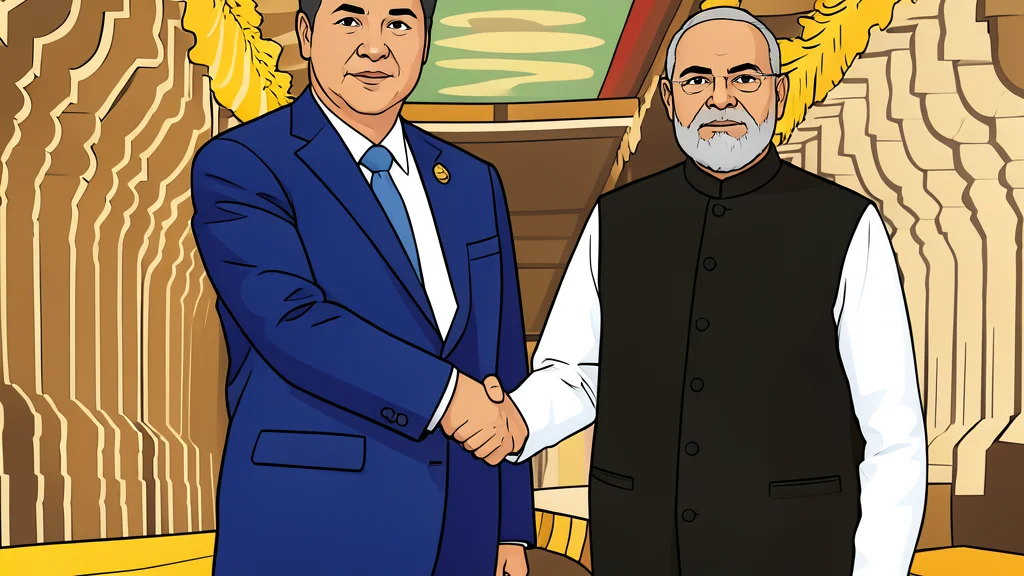
Foreign ministers of Cambodia and Thailand delivered opening statements on Tuesday at the inaugural session of a United Nations arbitration process designed to resolve a long-standing maritime dispute between the two Southeast Asian neighbors. The proceedings mark a significant shift in diplomatic engagement, moving from direct bilateral negotiations to a structured international framework. Both delegations emphasized their commitment to finding a durable solution to the conflict, which has persisted for more than two decades.
According to GN geopolitics/border, the conciliation panel will examine the dispute under the United Nations Convention on the Law of the Sea. While the findings of such panels are not legally binding, the process provides a neutral platform for independent experts to analyze the legal and geographical complexities of the case. This approach aims to de-escalate tensions and create a basis for future cooperation on resource management in the contested waters.
Diplomatic Priorities and Strategic Options
Cambodian Foreign Minister Prak Sokhonn stated that his country is primarily seeking a treaty that delimits a single, all-purpose maritime boundary with Thailand. He added that if such a delimitation proves difficult, Cambodia would be prepared to conclude an agreement for the joint development and equitable sharing of resources in the overlapping zone. This dual-track approach reflects a pragmatic strategy aimed at securing economic benefits regardless of the final legal outcome of the boundary dispute.
Thai Foreign Minister Sihasak Phuangketkeow clarified that the scope of the current proceedings concerns only the maritime boundary delimitation in the Gulf of Thailand. He emphasized that Thailand is entering the process in good faith and with full regard for the provisions of the convention. The minister noted that Bangkok had previously proposed direct talks on the boundaries before resorting to the international mechanism, highlighting a preference for bilateral resolution where possible.
Economic Stakes and Historical Context
The dispute centers on approximately 26,000 square kilometers of sea in the Gulf of Thailand, an area estimated to hold vast reserves of natural gas and oil. The potential energy resources are valued at roughly 300 billion dollars, making the resolution of the border dispute a matter of significant economic importance for both nations. For over 25 years, both countries have laid claim to this overlapping claims area, leading to prolonged legal and diplomatic friction.
Efforts to manage this dispute through bilateral agreements have faced setbacks. In 2001, the neighbors signed a pact to jointly exploit energy resources in the overlapping zone, but Thailand terminated this agreement in May following deadly border clashes last year. The collapse of that framework prompted Cambodia to launch the compulsory conciliation process in June, seeking an external mechanism to break the deadlock and restore stability to the region's energy sector.
Precedents and Future Outlook
The use of the UN-backed conciliation mechanism is relatively rare in recent history. According to available records, it has so far been used successfully by East Timor to resolve a decades-long maritime dispute with Australia. This precedent suggests that the process can yield workable solutions even in complex geopolitical contexts. Observers are watching closely to see if the panel can facilitate a similar breakthrough between Bangkok and Phnom Penh.
As the proceedings continue, attention will turn to the specific legal arguments presented by both sides and the composition of the independent expert panel. The outcome will not only determine the legal status of the maritime boundary but also influence the broader trajectory of regional cooperation in the Gulf of Thailand. Stakeholders remain focused on whether the process will lead to a binding agreement or a framework for ongoing joint development, setting the stage for the next phase of diplomatic engagement.