Tibet Rep Urges Rome Youth to Watch Cultural Erosion

At a Rome youth forum, a Geneva-based representative warned that Tibetan language and religious practices face growing pressure under current policies.
Key points
- A CTA representative addressed a Rome youth event, warning of growing pressure on Tibetan language and religious freedom.
- Speakers cited the 'Law on Promoting Ethnic Unity and Progress' as a source of concern for cultural rights.
- The forum also featured a World Uyghur Congress representative discussing similar challenges facing the Uyghur community.
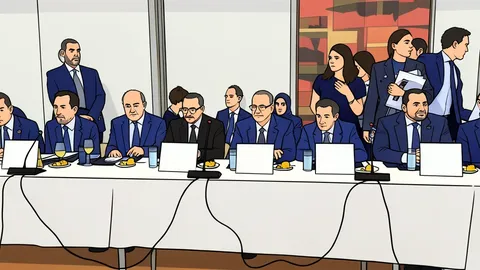
Rome, 18 September 2026 — A representative of the Central Tibetan Administration addressed a national youth gathering in Rome to outline what she described as intensifying challenges to Tibetan cultural and religious identity. Speaking via a live online link, Thinlay Chukki, who serves at the Tibet Bureau in Geneva, framed the discussion around the preservation of language, heritage, and freedom of belief.
According to the administration, the address emphasized that these issues are not merely historical concerns but active threats requiring sustained international attention. The representative argued that the transmission of Tibetan traditions to younger generations is essential for safeguarding the community’s distinct identity in the face of restrictive state policies.
Concerns Over Linguistic and Religious Restrictions
The speaker highlighted specific areas of concern, including the use of the Tibetan language in educational settings and public life. She pointed to what Tibetan advocates term as increasing pressure on religious expression, citing the “Law on Promoting Ethnic Unity and Progress” as a framework that critics argue undermines cultural rights.
Human rights advocates present at the event echoed these points, noting that such measures limit the ability of Tibetans to practice their faith and maintain their linguistic heritage. The discussion positioned these restrictions as part of a broader pattern affecting minority communities in China.
Broader Context of Minority Rights
The forum extended its focus beyond Tibet to include the situation of the Uyghur community. A representative of the World Uyghur Congress addressed the assembly, raising concerns about surveillance, family separation, and the erosion of cultural identity among Uyghurs both inside and outside China.
By bringing these issues together, the event sought to highlight common threads in the experiences of different minority groups. Participants, including Italian parliamentarians and association leaders, listened to accounts of how restrictive policies impact daily life and long-term cultural continuity.
Call for Continued International Engagement
In her concluding remarks, the representative called on governments, international institutions, and civil society to maintain their attention on these human rights issues. She stressed the importance of upholding universal principles that protect the right of all peoples to preserve their language, religion, and way of life.
The forward question remains how international bodies will respond to these appeals. Observers will likely watch for any new diplomatic statements or legislative actions from European institutions in the coming months, particularly regarding the implementation of cultural preservation norms.