Verisk Report Links El Niño and Conflict to Asian Unrest
Verisk Maplecroft warns that concurrent climate and geopolitical pressures are elevating civil unrest risks across South and Southeast Asia.
Key points
- Verisk Maplecroft states that conflict-driven cost increases and El Niño are simultaneously worsening food insecurity in Asia.
- Over 75% of South and Southeast Asian countries face high food security risks, with over half also at high risk for civil unrest.
- Major rice exporters face acute water stress, with only Vietnam outside the highest risk category, threatening regional supply chains.
Food security across South and Southeast Asia is deteriorating due to the simultaneous impact of the Gulf conflict and a record-breaking El Niño event, according to a new report by Verisk Maplecroft. The risk consultancy notes that these dual pressures are compounding harvest disruptions, creating a volatile environment for economies in India, Indonesia, and the Philippines.
The report, released in September 2026, indicates that conflict-driven increases in fertiliser and fuel costs are coinciding with extreme weather patterns. This convergence threatens to lock in negative agricultural outcomes even if geopolitical tensions ease, as planting decisions were made during the peak of the disruption.
Converging Climate and Geopolitical Pressures
While oil market volatility has received significant attention, Asia Insurance Review notes that food price inflation may prove more consequential for social stability. More than 75% of countries in the region are classified as high or very high risk on the Food Security Index. Over half of these nations, including Pakistan and Bangladesh, also rank in the top two categories of the Civil Unrest Index, identifying rising prices as a primary driver of potential instability.
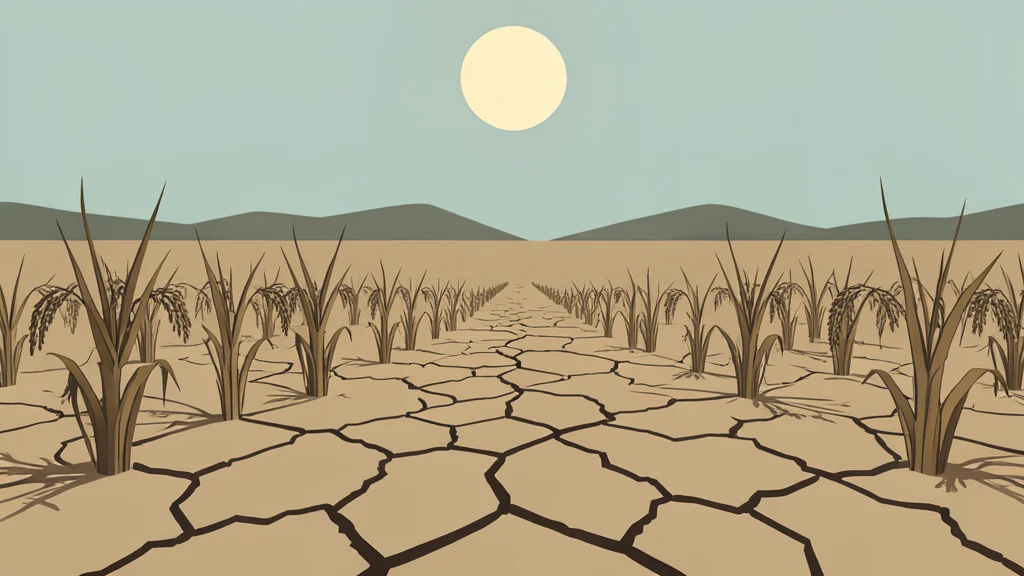
The current El Niño pattern is weakening the South Asian monsoon, leading to hotter and drier conditions. This climate shift introduces a secondary layer of risk, where reduced rainfall increases drought severity, while the remaining precipitation becomes more intense, raising the likelihood of crop damage from unexpected flooding.
Rice Exporters Face Acute Water Stress
Major rice-producing nations such as India, Thailand, and Vietnam are particularly vulnerable to these combined stresses. Verisk Maplecroft finds that among these key exporters, only Vietnam falls outside the highest water stress risk category. This suggests that chronic strain on water resources exists even before accounting for the specific disruptions caused by the El Niño rainfall patterns.
Beyond rice, heatwaves and water scarcity are threatening palm oil harvests in Indonesia and Malaysia. Such disruptions could create knock-on effects across both fuel and food supply chains, further exacerbating economic pressure in the region. The forward question remains how these entrenched agricultural deficits will influence political cohesion in the lead-up to 2027.