EU Reaches Substantial Trade Deal with Philippines
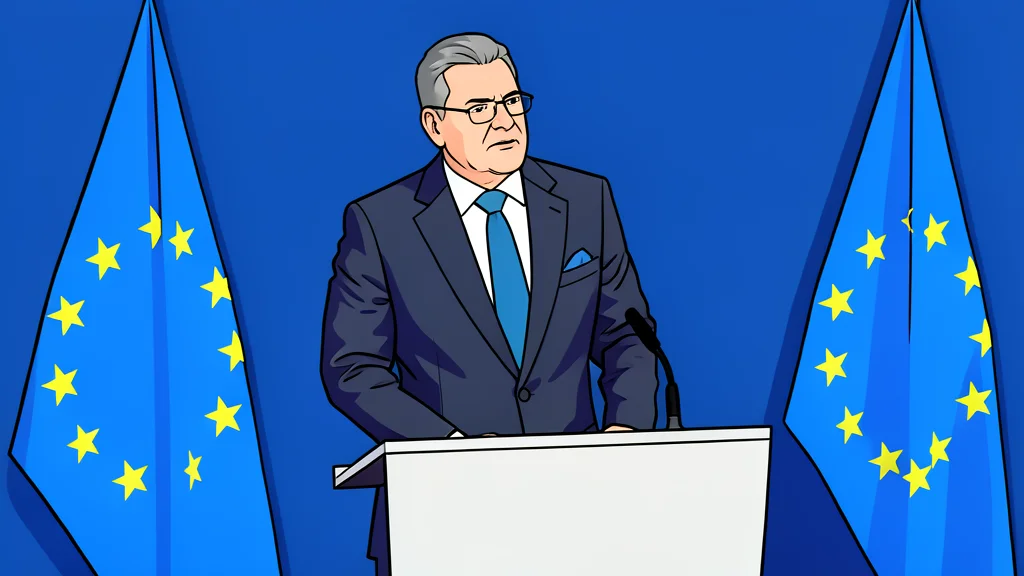
The EU and Philippines have reached a substantial agreement on a free trade deal. Critics argue this ignores human rights concerns.
Key points
- The EU and Philippines reached a substantial free trade agreement after three years of talks.
- The deal secures critical minerals like copper and nickel for Europe's green energy transition.
- Critics argue existing EU human rights clauses are weak and have never been effectively enforced.
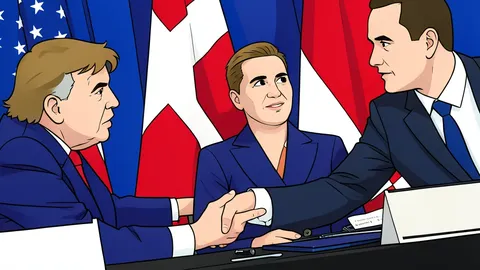
The European Commission announced on Tuesday that it has reached a substantial agreement with the Philippines. This follows three years of negotiations for a free trade agreement.
The deal aims to secure critical raw materials for Europe’s green transition. The Philippines holds significant copper, cobalt, and nickel reserves.
Strategic importance of mineral resources
Europe needs these materials for batteries and solar panels. Recent oil price fluctuations have made this shift urgent. The Philippines is now a key partner for the EU.
Located in the Indo-Pacific, the country has gained geopolitical significance. It sits at the center of competition between global powers. Economic ties with the EU are deepening.
Critics question human rights safeguards
According to brusselstimes.com, EU trade policy claims to promote human rights. However, existing mechanisms have failed to prevent violations. The regulations are often vaguely worded and poorly enforced.
The human rights clause allows for suspension of deals. Yet, it has rarely been used. It has mostly applied to minor partners or coups. Trade preferences were never actually suspended.
Rush to sign new agreements
The EU is rushing to conclude many new trade deals. This is driven by global uncertainty and US tariff policies. The Philippines deal will cover over half the world's population.
Observers note the joint statement did not mention human rights. This is concerning given past violence under previous leaders. The lack of binding commitments is a major worry.