Europe Accelerates Defense Buildup Amidst Stalled Ukraine Peace Talks
European nations are intensifying military preparations as diplomatic efforts in Ukraine remain stalled by divergent strategic goals among key actors.
Key points
- Diplomatic efforts to end the Ukraine conflict have stalled due to fundamentally incompatible goals among Russia, Ukraine, the US, and Europe.
- European nations are accelerating defense measures in response to the diplomatic impasse and fears of a prolonged regional conflict.
- Analysts indicate that a peaceful resolution is unlikely without a major strategic shift, as each party views the outcome as existential.
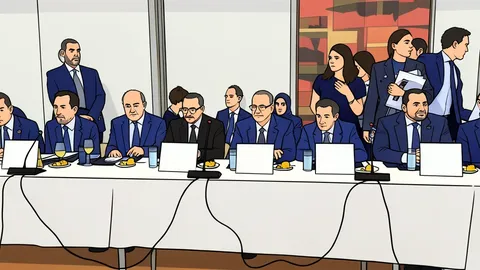
Four years after the start of the conflict in Ukraine, the prospect of a negotiated resolution appears increasingly distant. According to Bankingnews, recent diplomatic initiatives, including visits by U.S. officials to Moscow and Kyiv, have failed to bridge the fundamental gaps between the parties. Analysts suggest that the core objectives of the involved nations are structurally incompatible, making a simple peace agreement unfeasible without a major shift in the strategic calculus of at least one side.
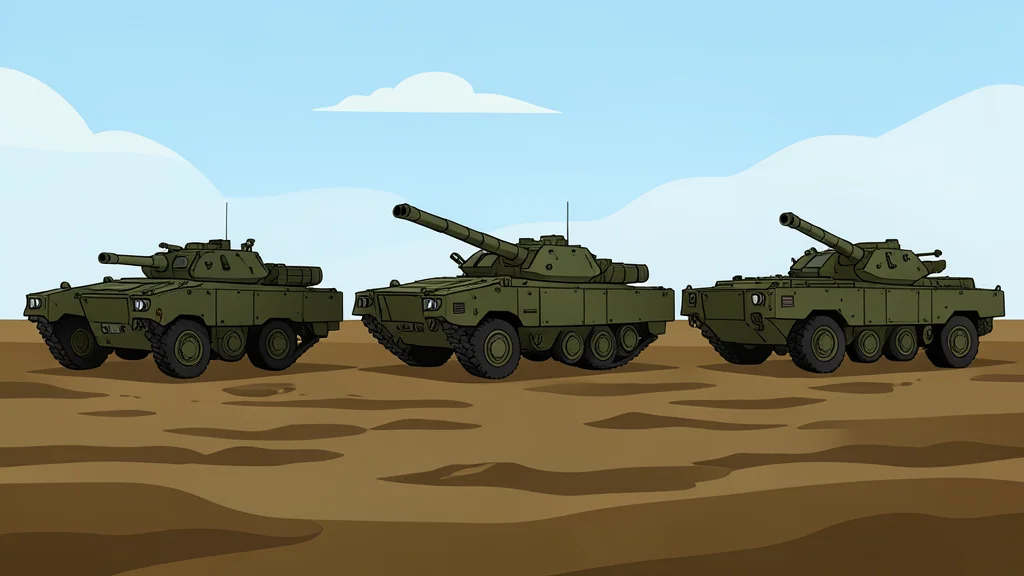
In response to this diplomatic impasse, European countries are accelerating their defense measures. This escalation in military preparedness occurs despite Moscow’s repeated signals that it has no intention of attacking NATO member states. The growing tension suggests that the region is preparing for a prolonged confrontation, with the focus shifting from immediate negotiation to long-term strategic positioning.
Diplomatic Stalemate Persists
The failure of recent mediation efforts highlights the depth of the disagreement. While U.S. negotiators have attempted to push forward a peace framework, the positions of the key actors remain far apart. Ukraine seeks to integrate into European security structures and restore its military capacity, while Russia demands legal recognition of its security interests and a halt to NATO expansion. These opposing goals create a deadlock that standard diplomatic channels have yet to resolve.
Observators note that the conflict is no longer merely a bilateral dispute but involves a complex web of interests including the United States and Europe. Each party views the outcome as existential, leading to a situation where compromise is seen as a loss rather than a necessary step toward stability. This rigid stance makes the likelihood of a near-term ceasefire or comprehensive treaty appear slim.
European Security Posture Shifts
Amidst these stalled talks, Europe is moving to strengthen its own defensive capabilities. The region is increasingly viewing the conflict as a test of its strategic autonomy and resilience. By ramping up defense measures, European nations aim to deter further escalation while ensuring they are prepared for a long-term security challenge. This shift reflects a broader reevaluation of defense policies in light of the evolving geopolitical landscape.
The emphasis on defense is not just about immediate military readiness but also about signaling resolve. European leaders are working to ensure that their security architecture is robust enough to withstand external pressures. This proactive approach is intended to reduce vulnerability and assert a stronger position in any future negotiations or confrontations.
Forward Questions on Regional Stability
The path forward remains uncertain as the parties continue to pursue incompatible objectives. The coming months will likely be defined by further military preparations and diplomatic maneuvering rather than breakthroughs. The key question is whether the increased defense spending in Europe will lead to a more stable deterrent or if it will further entrench the divisions that have prevented a resolution.
Watch for any new diplomatic overtures or significant changes in military deployments in the region. The actions of the major powers in the next quarter will provide crucial indicators of whether the conflict is heading toward a contained stand-off or a broader expansion. The balance between deterrence and de-escalation will remain the central dynamic shaping the region's future.