Europe Warns of Rising Risk of Covert Russian Attacks on NATO
Western officials fear Moscow may test NATO with sabotage and cyber operations as the Ukraine frontline remains stagnant.
Key points
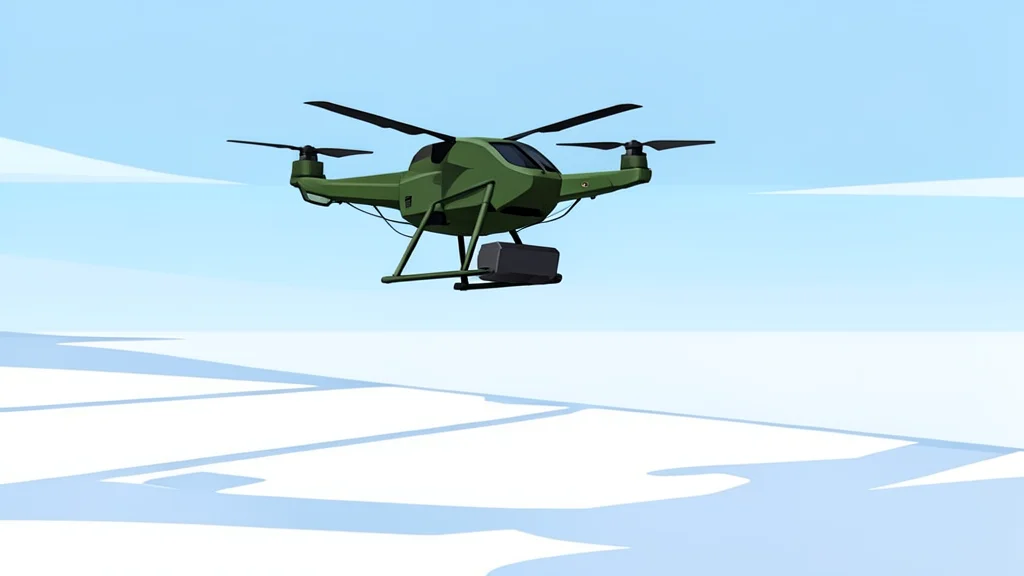
- Western officials warn that Russia is increasing covert operations in Europe, including sabotage and cyberattacks, to test NATO's resolve.
- An AFP analysis shows Russian forces lost more ground than they captured in April and May, indicating a stagnation on the frontline.
- A Western official estimates Russia faces a manpower deficit of approximately 6,000 troops per month, complicating its ability to sustain offensive operations.
European security officials are expressing growing concern that Russia may seek to widen the conflict beyond the borders of Ukraine. According to reports from economictimes.com, Western leaders are warning of an increase in clandestine activities, including sabotage, cyberattacks, and drone incidents, which they believe could serve as tests of NATO’s collective resolve.
These warnings come more than four years into the invasion, a period marked by a stagnant frontline and intensified covert operations across the continent. The situation has prompted European policymakers to reassess the threat landscape, particularly as Moscow continues to maintain maximalist demands for control over Ukraine’s eastern regions while facing significant challenges in sustaining offensive momentum.
Frontline Stagnancy and Strategic Challenges
Military analysts note that widespread drone usage has largely prevented large-scale troop movements, resulting in a stalemate where neither side has gained a decisive advantage. An AFP analysis of data from the Institute for the Study of War indicates that in April and May, Russian forces actually lost more ground than they captured, a trend that has continued despite a slight acceleration in advances during August. This lack of progress has led Western officials to conclude that Russia faces significant operational difficulties in achieving its broader territorial objectives.
Manpower Shortages and Escalation Risks
While Moscow has attempted to close its manpower gap through enlistment bonuses and the deployment of foreign troops, the deficit remains substantial. A Western official estimated the gap between casualties and recruitment at approximately 6,000 personnel per month. Although President Vladimir Putin has ruled out a repeat of the mass mobilization seen in 2022, political scientists suggest he may still seek to escalate the conflict's character through other means, particularly as his domestic support faces pressure from the prolonged war.
Uncertainty in US Strategic Commitment
The mixed signals from the United States have added complexity to Europe's security calculations. While the US administration has authorized new sanctions and sent envoys to facilitate peace talks, it has also criticized Ukraine for targeting Russian energy infrastructure. French researcher Celine Marange argues that this uncertainty regarding the US response to a potential hybrid attack on a NATO member state inadvertently benefits Moscow by complicating deterrence strategies, even as American officials discuss the future of their military presence in Poland.