Fico and Pavel Clash over NATO Article 5 Commitments
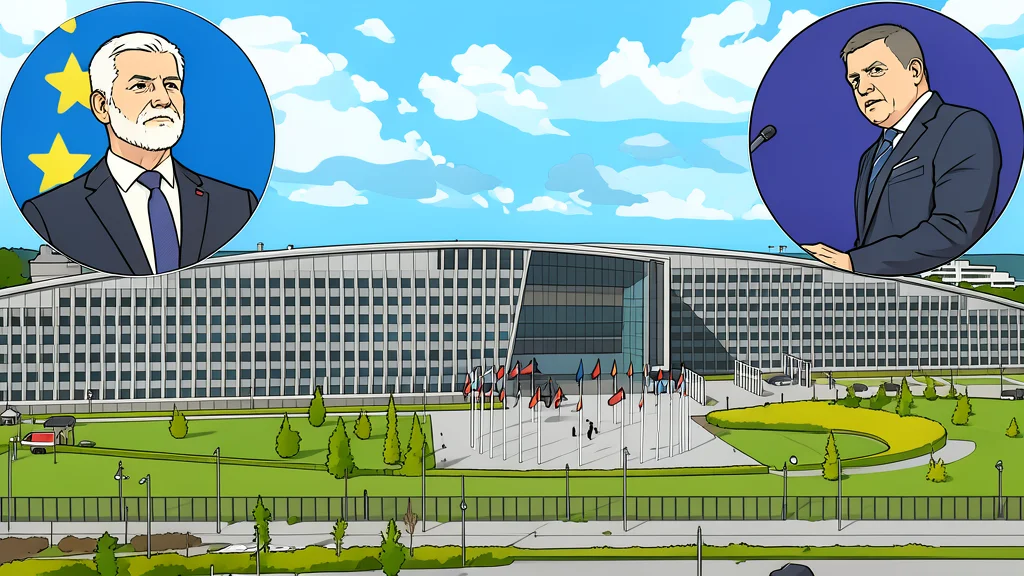
Slovak PM Fico and Czech President Pavel exchanged sharp criticism regarding alliance solidarity and conflict risk.
Key points
- Fico vowed to prevent Slovakia from entering conflict, while Pavel stressed Article 5 solidarity.
- The dispute occurs ahead of Slovak elections and amid Czech debates on defense spending.
- Fico’s recent meeting with Putin in Moscow adds context to the diplomatic tensions.
Political friction has emerged between Bratislava and Prague as Slovak Prime Minister Robert Fico and Czech President Petr Pavel engaged in a public dispute over the interpretation of NATO’s collective defense mechanisms. The exchange highlights growing divergences in how Central European leaders view their obligations to the alliance amidst a complex security environment.
According to reports from TVP World, Fico stated that his administration would take all necessary measures to ensure Slovakia does not become entangled in military conflict. In contrast, Pavel emphasized that Article 5 represents a binding commitment of solidarity and mutual responsibility among member states, pushing back against any rhetoric that suggests a retreat from these duties.
Divergent views on alliance solidarity
The disagreement centers on the practical implications of the treaty's core provision. Pavel, who served as a senior general in NATO forces before entering politics, maintains that the clause requires unwavering support for fellow members. He views Fico’s stance as undermining the cohesion of the alliance. Fico, however, framed his comments as a defensive posture, reiterating his opposition to Slovakia entering a war and accusing the Czech president of favoring confrontation over diplomatic stability.
Slovak President Peter Pellegrini has intervened to urge caution within the government, warning that Bratislava must not cast doubt on its fundamental NATO obligations. This internal pushback suggests an effort to maintain a consistent foreign policy line despite the sharp public rhetoric from the prime minister's office.
Domestic political and economic context
The timing of this dispute is significant, occurring shortly before local and regional elections in Slovakia scheduled for late October. In the Czech Republic, a parallel debate is unfolding regarding defense spending levels, which are expected to remain below the NATO target of two percent of GDP for the current year. These domestic pressures may be influencing how leaders frame their international commitments to their respective electorates.
Recent diplomatic engagements and implications
Adding complexity to the diplomatic landscape, Fico recently met with Russian President Vladimir Putin in Moscow during Victory Day commemorations. This engagement was noted as unusual, given that most Western leaders shunned the event. Analysts suggest that such interactions contribute to the perception of shifting alliances, potentially fueling the current rhetoric regarding defense posture and conflict avoidance in the region.