France, Slovakia Threaten to Block 3,000 EU Sanctions
Paris and Bratislava are holding the renewal of 3,000 anti-Russia sanctions hostage to delist two oligarchs, risking a total collapse of the regime.
Key points
- France and Slovakia are threatening to block the renewal of 3,000 EU sanctions unless two Russian oligarchs are delisted.
- The move is linked to France's dispute with Azerbaijan over detained nationals, creating a complex geopolitical web.
- Ukraine's envoy criticized the delisting discussions, warning that it undermines the pressure on Russia to end the war.
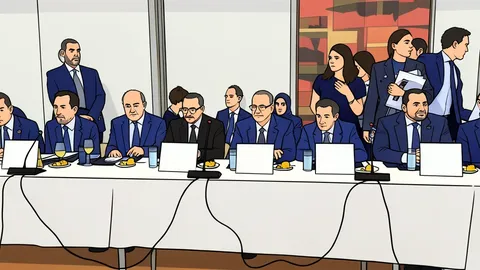
Diplomatic tensions in Brussels have intensified as France and Slovakia signal they will block the unanimous renewal of the European Union’s 3,000 sanctions against Russia unless two specific oligarchs are delisted. The standoff, which emerged during a meeting of EU ambassadors on September 21, threatens to cause the entire sanctions package to lapse if a consensus is not reached by the September 22 deadline.
According to the Kyiv Independent, the French decision to join Slovakia’s long-standing demand for delisting Alisher Usmanov and Mikhail Fridman has surprised many observers. Reports indicate that Paris is acting on requests from Baku, with France citing the detention of two of its nationals as political prisoners in Azerbaijan as a primary motivator for its hardline position.
Diplomatic pressure reshapes negotiating dynamics
The threat to let all existing sanctions expire has forced several member states to reconsider their initial resistance to the French-Slovak proposal. While an EU Council Presidency spokesperson indicated that ambassadors would reconvene in the afternoon to finalize an agreement, multiple diplomats told the Kyiv Independent that a true consensus had not yet been achieved. One national diplomat described the situation as "very difficult," noting that the process is entering uncharted legal and technical territory regarding the repeated postponement of sanctions rollovers.
Ukraine has voiced strong frustration over the developments, with sanctions envoy Vladyslav Vlasiuk questioning the logic of discussing delisting while the war continues. Vlasiuk argued that removing sanctions without a fundamental change in Russian conduct sends a dangerous signal that accountability is negotiable and that pressure mechanisms can simply be waited out. This perspective highlights the deep divergence between Kyiv’s strategic needs and the bilateral political calculations driving the current deadlock.
Targets linked to Russian leadership
The two individuals at the center of the dispute are considered part of Vladimir Putin’s inner circle. Mikhail Fridman is the co-founder of Alfa-Group, a conglomerate whose subsidiaries have provided services to Russian forces and security structures in Ukraine. Alisher Usmanov, who built his fortune in metal and mining, was explicitly referred to as one of Putin’s favorite oligarchs in the EU’s original 2022 sanctions decision, underscoring the political significance of their continued listing.
Uncertainty surrounds final deadline outcome
With the deadline approaching, diplomats are weighing the risks of a postponement against the potential for a complete breakdown of the sanctions regime. One EU diplomat noted that while the deadline could theoretically be extended again, it remains unclear whether an extra week would actually change the positions of the blocking countries. The ambiguity of the legal framework for repeated short-term extensions adds to the uncertainty, leaving the fate of the 3,000 sanctions listings hanging in the balance as negotiations continue.