NATO Disrupts Russian Submarine Activity Near Svalbard
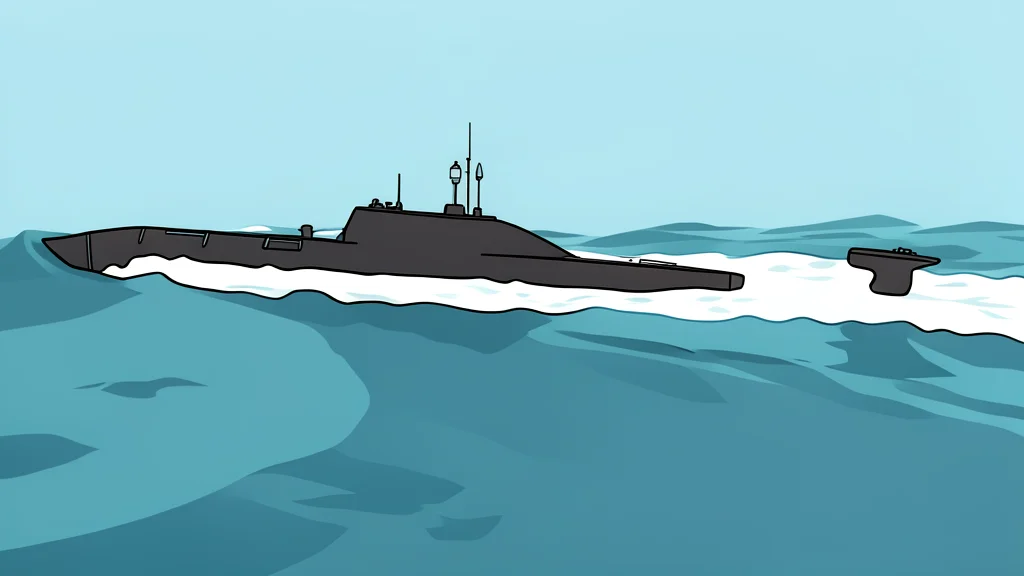
Western allies report successfully deterring Russian deep-sea vessels from conducting exercises on undersea infrastructure in the Arctic region.
Western officials have disclosed that NATO forces disrupted a Russian submarine operation near Svalbard earlier this year. According to two unnamed Western officials cited by Reuters, the confrontation involved Russian vessels from the Main Directorate of Deep-Sea Research, a unit specializing in covert undersea operations. The incident, which occurred in the spring, was only partially revealed to the public last week, marking a significant escalation in transparency regarding hybrid threats in the Arctic.
The operation was monitored for nearly a month by Royal Air Force maritime surveillance aircraft and the Royal Navy frigate HMS St. Albans, supported by undisclosed Norwegian forces. Reports indicate that the Russian vessels, which included two GUGI deep-sea research submarines and an Akula-class fast attack submarine, were unable to complete their training mission on cutting undersea cables. NATO forces effectively 'chased away' the vessels, preventing any physical damage to the critical infrastructure resting on the seabed.
Strategic Importance of Subsea Infrastructure
The significance of these cables cannot be overstated, as they carry the vast majority of international data traffic. NATO officials have long warned that these lines function as the world's information super-highways, with over 99 percent of international internet traffic flowing through largely unguarded undersea routes. The risk has become more acute following the 2022 sabotage of the Nord Stream pipelines, which highlighted the vulnerability of critical energy and data infrastructure to state-sponsored interference. Analysts note that while a direct conventional conflict remains unlikely due to Russia's stretched resources from the war in Ukraine, hybrid tactics targeting such infrastructure pose a persistent and severe threat to economic stability.
Historical precedents underscore the potential for disruption. During World War I, the cutting of German telegraph cables severely hampered Berlin's communications. More recently, a 2006 earthquake near Taiwan severed eight cables, taking nearly two months to repair and disrupting connectivity to China. These examples illustrate that physical damage to undersea networks, whether from natural disasters or deliberate sabotage, can have profound and long-lasting consequences for global communication and economic flows.
Evolving Hybrid Warfare Tactics
Under President Vladimir Putin, Russia has increasingly relied on hybrid warfare strategies that include cyberattacks, disinformation campaigns, and the targeting of critical infrastructure. Senior NATO officials have expressed concern that Moscow may view undersea cables as prime targets for destabilizing Europe’s connectivity. The recent incident near Svalbard is seen as a test of these capabilities, with analysts suggesting that the Kremlin is probing NATO’s defensive readiness in remote Arctic waters. The involvement of specialized deep-sea units indicates a deliberate effort to maintain covert operational capabilities in regions of strategic importance.
According to reports from GN geopolitics/nato, the coordination between the UK, US, and Norway demonstrates a growing alignment in monitoring and responding to undersea threats. The partial disclosure of the incident suggests a careful balance between deterrence and avoiding unnecessary escalation. As the Arctic becomes a more contested domain, the protection of subsea infrastructure is likely to become a central focus of NATO’s defensive posture, requiring enhanced surveillance and rapid response capabilities to mitigate the risk of sabotage.
Forward Looking Security Implications
The next steps will likely involve increased joint patrols and improved detection systems in the Arctic and North Sea. Defense ministries are expected to review their protocols for responding to suspected sabotage attempts, potentially leading to more frequent public disclosures of such incidents. Observers will watch for any further Russian activity in the region, as well as the diplomatic responses from Moscow, which has typically denied involvement in such operations. The resilience of global digital infrastructure depends on the continued vigilance of allied forces in safeguarding these vital underwater assets.