NATO Exercise Exposes Flaws in U.S. Marine Cold-Weather Gear
Defective footwear disrupted Arctic drills in Norway, forcing U.S. Marines to rely on host-nation support while raising questions about domestic manufacturing capabilities.
During recent NATO Arctic exercises in Norway, U.S. Marines faced significant operational setbacks due to widespread defects in their new cold-weather boots. According to a Pentagon spokesperson, issues ranging from peeling soles to loose lace eyelets compromised the footwear’s integrity during strenuous activities in snow and ice. These failures occurred during the pre-training phase of Cold Response 2026, a large-scale multinational operation involving over 25,000 service members across Norway and Finland.
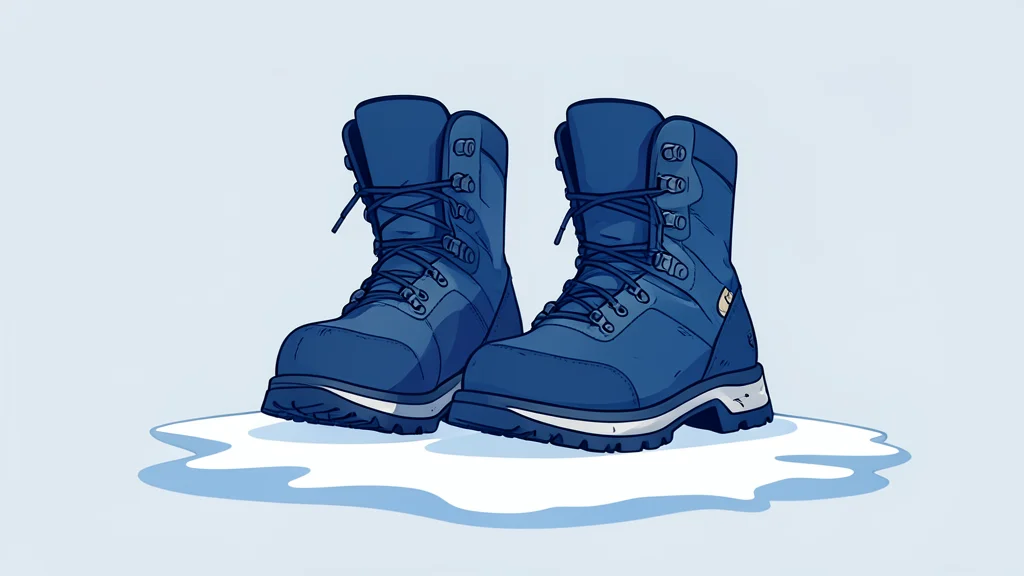
The specific footwear implicated was the Belleville Intense Cold Weather Boot, which reportedly failed to meet performance standards under arctic conditions. As icy water seeped into the boots and plastic heels damaged users' tendons, the U.S. Marine Corps had to secure replacement gear. The Norwegian military assisted by procuring M77 boots manufactured by local company Alfa, utilizing established host-nation support mechanisms to ensure troops could continue their training schedules.
Inspection Data Reveals Rising Failure Rates
Following the return of troops to the United States, further inspections at U.S. bases confirmed that the defects were not limited to the Norwegian deployment. In April 2026, inspectors examined 2,642 boots, finding 183 to be defective. A subsequent inspection in July reviewed another 1,781 pairs, identifying 355 defects. This brings the total number of inspected boots to 4,423, with 538 confirmed as flawed, a figure verified by the Marine Corps.
A military briefing noted that the industry standard for failure rates is typically between two and three percent. However, the data indicates that the percentage of defective footwear increased from the April inspection to July. The Marine Corps stated that it has developed a corrective action plan based on these findings, which includes the individual replacement of defective units from the Belleville Intense Cold Weather line.
Domestic Manufacturing Constraints Spark Debate
These quality control issues have intensified a broader debate within the United States regarding the sourcing of military equipment. Current laws generally prohibit the use of Pentagon funds for foreign-made military footwear unless specific exceptions apply. Furthermore, the proposed BOOTS Act seeks to impose stricter requirements, allowing additional combat boots only if they are entirely manufactured in the United States using American materials and components.
While proponents of stricter sourcing argue for supply chain security, military officials and industry experts are questioning whether domestic manufacturers can currently provide the necessary quantities and quality. According to reports from Newsweek, citing Pentagon sources, this uncertainty complicates the Marine Corps' ability to rapidly replace defective gear. Belleville has stated it is working directly with the Marines to address the identified deficiencies and is committed to resolving the issues promptly.
Strategic Implications for Allied Readiness
The reliance on Norwegian-manufactured boots highlights the practical complexities of maintaining operational readiness in allied territories. While the host-nation support mechanism functioned as intended, the incident underscores the vulnerability of logistical chains when primary suppliers face quality failures. For NATO, ensuring that equipment meets rigorous arctic standards is critical to maintaining the credibility of joint exercises and deterrence postures.
As the Marine Corps implements its corrective action plan, the situation offers a case study in the balance between procurement regulations and operational necessity. The forward question remains how the U.S. will reconcile its domestic production mandates with the immediate need for reliable, high-performance gear in extreme environments. Observers will watch whether the corrective measures succeed in restoring confidence in the Belleville product line or if they accelerate a shift toward diversified sourcing strategies within the alliance.