SkyFall and Calian Partner to Train NATO Drone Operators
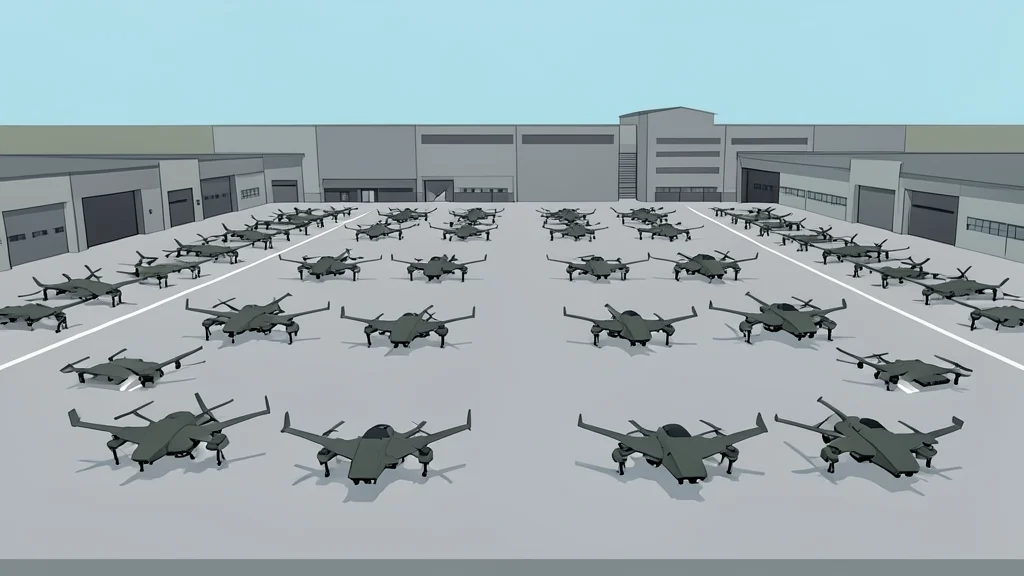
Ukrainian and Canadian firms will combine operational combat experience with large-scale simulation expertise to enhance allied military readiness.
Key points
- Calian Group and SkyFall have formed a strategic partnership to jointly develop unmanned systems training for NATO and allied nations.
- The collaboration combines SkyFall’s training of over 30,000 personnel with Calian’s experience in educating over 300,000 personnel.
- The agreement facilitates a two-way exchange of technological, operational, and simulation expertise to enhance military readiness.
A strategic partnership has been announced between Canadian defense firm Calian Group and Ukrainian company SkyFall, focusing on the joint development of training programs for unmanned systems. According to the companies, the collaboration is designed to improve the operational readiness of military personnel from Canada, other NATO member states, and allied nations by merging distinct areas of expertise.
The agreement leverages SkyFall Academy’s recent combat experience alongside Calian’s long-standing infrastructure in military education and simulation. This combination aims to create a comprehensive framework for training operators who must navigate the rapidly evolving technological landscape of modern warfare.
Combining Operational Experience with Simulation
Under the terms of the deal, the two entities will engage in a two-way exchange of knowledge. SkyFall, which has trained over 30,000 Ukrainian military personnel in the last three years, will provide insights into technological applications and countermeasures derived from active conflict zones. Calian, which has educated more than 300,000 personnel over four decades, will contribute its capacity to develop and integrate large-scale training and simulation programs.
Patrick Houston, CEO of Calian, noted that Ukraine has demonstrated the speed at which unmanned tactics and countermeasures evolve. By integrating this practical, field-tested knowledge with established pedagogical methods, the partnership seeks to bridge the gap between theoretical instruction and real-world application for allied forces.
Broader European Defense Cooperation
This initiative forms part of a wider pattern of cooperation between SkyFall and European partners. Previously, the company signed a memorandum with Poland’s Bank Gospodarstwa Krajowego to explore EU funding for Ukrainian defense technologies. The agreement involved potential cooperation on projects eligible for financing under the European Commission’s Ukraine Facility.
Additionally, SkyFall’s interceptor drones have been integrated into the Ukrainian Fight Drone Simulator, a platform that further illustrates the integration of hardware and software training tools. These developments suggest a growing ecosystem where Ukrainian defense firms are not only suppliers of equipment but also key contributors to the doctrinal and educational frameworks of European defense structures.
Implications for Allied Readiness
The partnership signals a shift in how NATO nations approach unmanned systems training, moving beyond standard procedural instruction to include dynamic, conflict-validated tactics. For allied forces, access to this specialized knowledge could accelerate the adoption of effective counter-drone strategies and improve overall mission effectiveness in high-threat environments.
As the defense sector continues to professionalize, the exchange of expertise between companies with direct combat experience and those with extensive institutional training resources represents a significant step. Observers will watch how this model is applied to specific national training curricula and whether it serves as a template for similar collaborations across the alliance.