Turkey Detains LGBTI+ Activists Amid National Crackdown
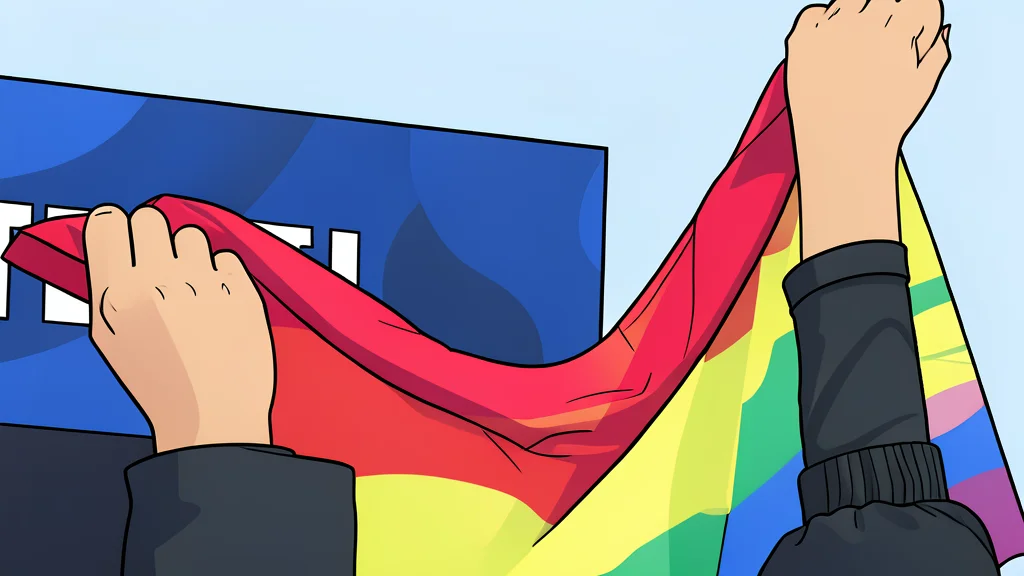
Turkish authorities have launched a coordinated series of raids against LGBTI+ organizations, prompting sharp criticism from opposition parties and international human rights bodies who describe the actions as a systematic effort to silence advocacy.
According to reports from GN geopolitics/rights, dozens of individuals were detained during early morning raids conducted across multiple Turkish cities, including Istanbul, Ankara, Izmir, and Mersin. The operations, officially designated by authorities as "My Family Is Safe," resulted in the arrest of activists, association members, and digital publishers. Charges cited for these detentions include allegations of obscenity, prostitution, and narcotics-related offenses, marking a significant escalation in state pressure against the community.
Civil society groups and political opposition figures have strongly condemned the actions, characterizing them not as law enforcement but as a targeted campaign to suppress dissent. These stakeholders argue that the raids represent a broader strategy to enforce a singular societal norm and silence rights defenders. The incident has drawn attention to the increasing friction between the state's conservative policies and the civil liberties of marginalized groups in Turkey.
Political opposition rejects the crackdown
Members of the People's Equality and Democracy Party, including MPs Perihan Koca and Özhül Saki, described the operations as a threshold in the institutionalization of authoritarianism. They argued that the government is utilizing the concept of family safety to justify hostility toward women and LGBTI+ individuals. Saki specifically noted that the state is inventing crimes to criminalize those who fight for rights, while Koca stated that the actions serve to create an obedient citizenry aligned with the executive branch's ideological preferences.
Critics from the Workers' Party of Turkey, including journalist İrfan Değirmenci, viewed the raids on the Kaos GL Association in Ankara as an attempt to intimidate the broader solidarity network. Değirmenci emphasized that the threat is directed at the activists themselves rather than society at large, urging for the immediate release of all detainees. The political response highlights a deepening divide between the ruling coalition and opposition figures regarding the definition of public order and civil rights.
Legal frameworks face scrutiny
Human rights organizations, including the Lawyers for Freedom Association, have reported that the majority of those detained are recognized rights defenders. The use of charges such as obscenity and prostitution has been widely criticized as a legal mechanism to target specific identities rather than addressing genuine criminal conduct. Legal experts point out that these prosecutions often rely on vague statutory interpretations that allow for the suppression of freedom of association and expression.
International attention follows the raids
International officials and rights bodies have joined the domestic condemnation, calling for an end to the increasing pressure on LGBTI+ groups. The incident has been framed by observers as a test of Turkey's commitment to international human rights standards. The forward question remains how the judiciary will proceed with these cases and whether diplomatic pressure will influence the release of the detained activists in the coming weeks.