UK Man Jailed for Holding 3D-printed Gun Blueprints
A Cheshire resident received a 12-month prison term for possessing explosive materials and firearm schematics, a first-of-its-kind case under UK terror laws.
Key points
- Jonathan Wilson received a 12-month prison sentence for nine counts of possessing information useful for terrorism.
- Police found 3D-printed firearm schematics and explosive materials during a 2023 search of his home in Macclesfield.
- The conviction is believed to be one of the first prosecutions under the Terrorism Act for holding 3D-print gun designs.
A man from Macclesfield has been sentenced to 12 months in prison for possessing information deemed useful for the preparation of terrorist acts. Jonathan Wilson pleaded guilty to nine counts under Section 58 of the Terrorism Act 2000, marking a significant legal development in how authorities handle the storage of dangerous technical materials.
The conviction stems from a December 2023 search of his home, where officers discovered components for homemade explosives and extensive literature on conducting attacks. Most notably, investigators found schematics for a 3D-printed firearm, an item that authorities believe represents one of the first prosecutions of its kind under the Terrorism Act.
Discovery of prohibited chemical items
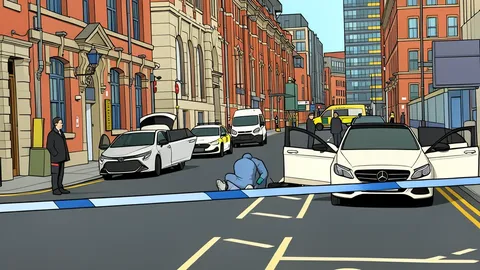
According to Counter Terror Business, the investigation began after reports indicated that Wilson had purchased prohibited chemicals without the necessary licenses. Cheshire Constabulary executed a warrant at his residence, leading to the discovery of materials that could potentially be used to create an explosive device. A multi-agency response involving counter-terrorism police, the fire service, and explosive ordnance disposal teams established a cordon to secure the scene.
Once the area was declared safe, officers conducted a thorough examination of the premises. They recovered a large volume of literature providing advice on how to conduct terrorist attacks. The presence of these items prompted serious concern among law enforcement, who viewed the collection as a potential threat to public safety despite the absence of an active device.
Novel application of terror legislation
The legal significance of the case lies in the inclusion of 3D-printed firearm schematics in the charge sheet. Detective Chief Superintendent Jon Chadwick of Counter Terrorism Policing North West stated that this conviction is believed to be among the first of its kind prosecuted under the Terrorism Act. This move demonstrates that police and courts view the possession of such digital blueprints with the same severity as physical weapons.
Chadwick emphasized that while there is no evidence Wilson was actively building an explosive device, the cache of literature and technical data was considered incredibly dangerous. The authorities aim to send a clear message that individuals found possessing such material will face full legal prosecution. The sentence is intended to serve as a deterrent to others considering the collection of similar information.
Post-release restrictions and oversight
In addition to the custodial sentence, Wilson faces extended supervision upon his release. He has been subjected to a Serious Crime Prevention Order for five years, which restricts his activities to prevent reoffending. Furthermore, he must comply with Part 4 notification requirements under the Terrorism Act for a period of ten years, ensuring ongoing monitoring by law enforcement agencies.
The extended license period of 12 months following his incarceration will allow authorities to closely track his conduct during the transition back to the community. These measures reflect the broader strategy of using long-term regulatory tools to manage individuals deemed a potential risk, even after their immediate criminal liability has been addressed through sentencing.