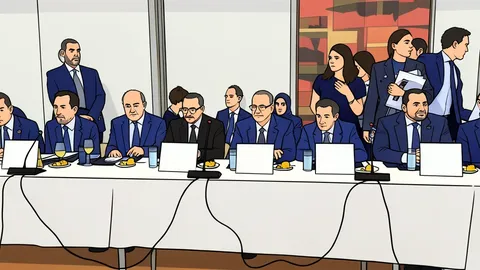
United Russia Retains Duma Majority with 57.8% Vote Share
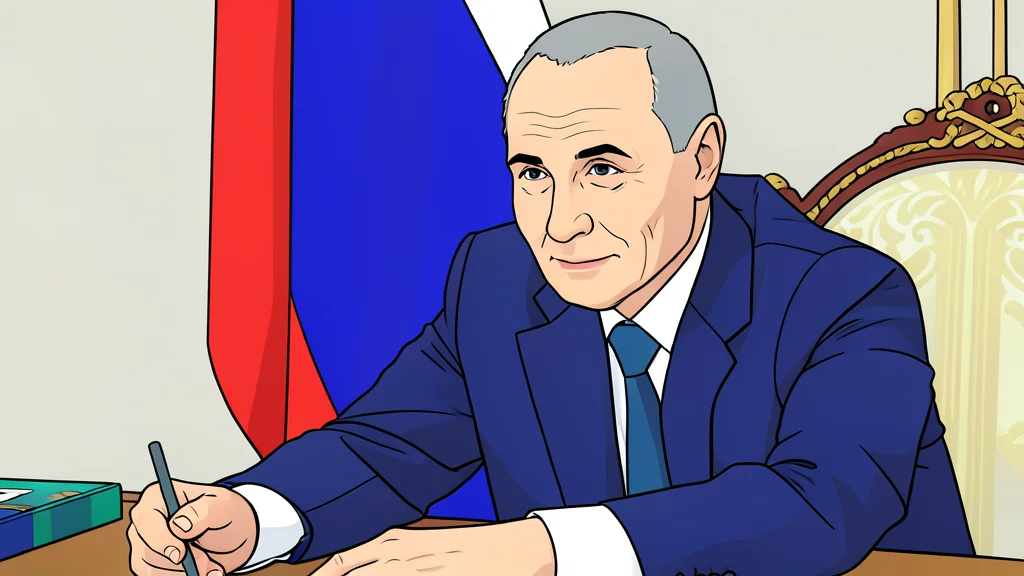
Moscow claims a record parliamentary majority while Kyiv denounces voting in occupied zones as illegal.
Key points
- United Russia won 57.83% of the vote, securing 355 seats in the Duma.
- Voting included four occupied Ukrainian regions and Crimea, which Kyiv deems illegal.
- Ramzan Kadyrov was re-elected in Chechnya with 99.85% of the vote.
Russia’s central electoral commission announced on Monday that the ruling United Russia party has secured a decisive victory in the recent parliamentary elections. According to preliminary data covering 95 percent of counted ballots, the party achieved a vote share of 57.83 percent, a result that Moscow describes as the strongest in its history. This outcome ensures the party will hold approximately 355 seats in the 450-seat State Duma, an increase of roughly twenty seats compared to its previous term.
The vote took place against a backdrop of significant domestic and international tension. As noted by Deutsche Welle, the election was the first parliamentary poll since the full-scale invasion of Ukraine. Kremlin officials framed the contest as a referendum on support for the ongoing military operations, while noting that only parties aligned with the government were permitted to register. Opposition groups were effectively barred from participating, and the process occurred amid rising living costs and tightened controls on digital communication.
Contested voting in occupied territories
A significant aspect of the electoral process involved the inclusion of residents from four regions in Ukraine: Donetsk, Luherson, Kherson, and Zaporizhzhia. These areas, along with Crimea, were incorporated into the Russian electoral map following Moscow’s annexation actions. The Ukrainian government strongly rejected the legitimacy of the vote, characterizing the participation of these regions as illegal and devoid of genuine democratic representation.
Kadyrov secures fifth term in Chechnya
In a parallel development, Ramzan Kadyrov, a close ally of President Putin, was declared re-elected for a fifth term as the head of the Chechen Republic. Electoral officials reported that Kadyrov received 99.85 percent of the vote, a slight increase from his previous tally. International observers and human rights organizations have consistently criticized the electoral environment in the North Caucasus region, citing concerns over political repression and the targeting of journalists and minority groups.
Political context and future implications
The consolidated power displayed in these results underscores the Kremlin’s approach to domestic governance during the current conflict. With the opposition marginalized and the ruling party expanding its parliamentary foothold, the political landscape in Russia remains tightly controlled. Analysts suggest that the focus will now shift to how the government manages internal stability and economic pressures while maintaining its stance on the ongoing military operations in Ukraine.