Guterres Addresses Stalled Security Council Dynamics
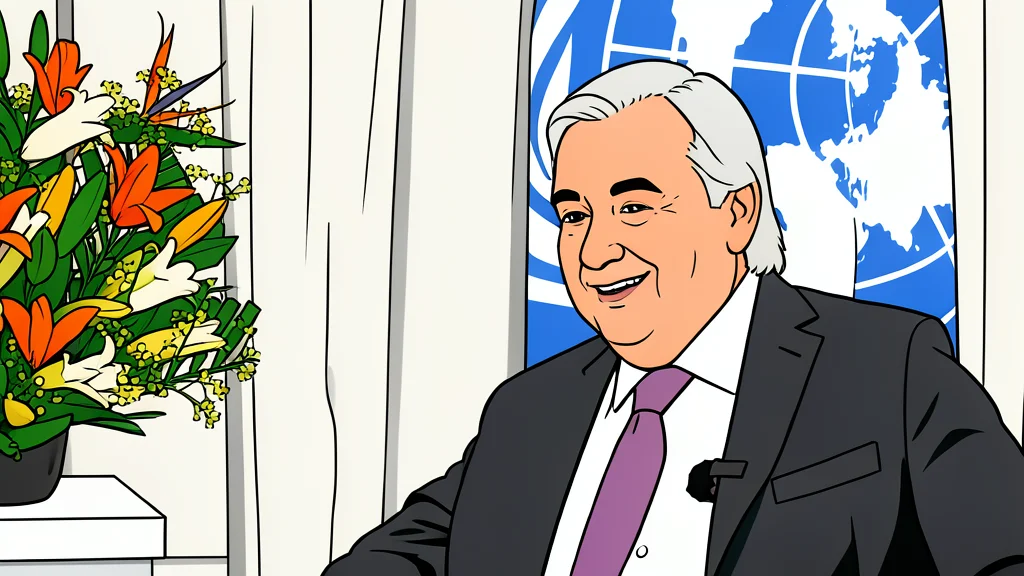
The UN Secretary-General describes a body hindered by geopolitical divisions while asserting that the broader organization remains functional.
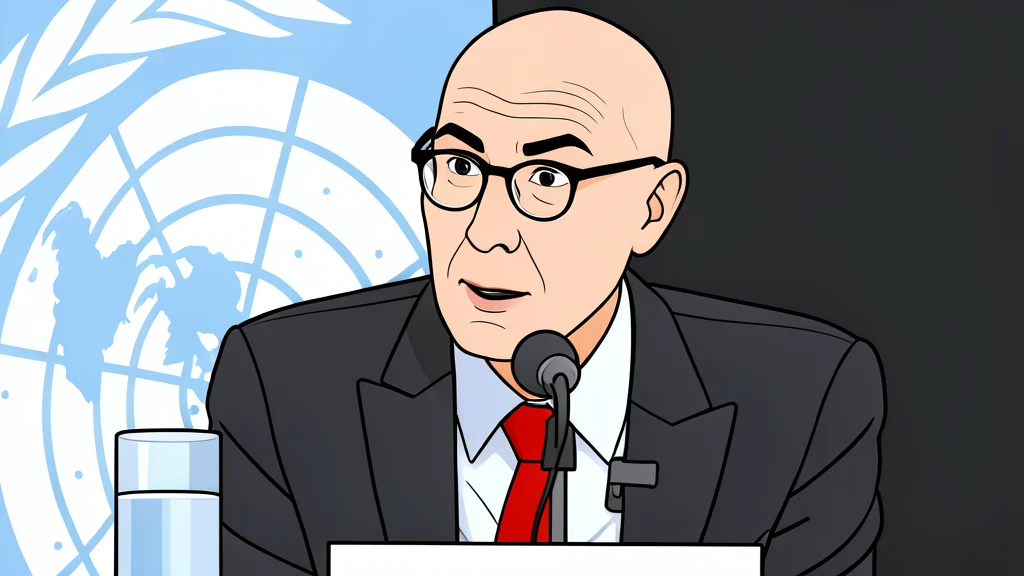
Antonio Guterres has described the United Nations Security Council as currently paralyzed by deepening geopolitical divides. According to the Secretary-General, these internal divisions have significantly hindered the body's ability to take decisive action on pressing international issues. The assessment reflects a growing concern within diplomatic circles that the institution's core mandate is being undermined by the inability of major powers to reach consensus.
However, Guterres emphasized that this dysfunction does not equate to the collapse of the entire United Nations system. He clarified that while the Security Council struggles to fulfill its specific responsibilities, other parts of the UN machinery continue to operate effectively. This distinction is crucial, as it underscores the ongoing delivery of humanitarian aid, climate initiatives, and conflict resolution efforts despite the political gridlock at the highest level of governance.
Calls for Structural Reform Grow
The Secretary-General's remarks align with a broader sentiment among member states regarding the need for institutional reform. There is an increasing demand for a re-evaluation of the Council's membership and processes to better reflect the contemporary geopolitical landscape. According to reports, discussions on these structural changes are ongoing, although progress has been described as slow and complex.
Guterres stated that new mechanisms are required to facilitate dialogue among member states and overcome the current impasse. The focus is on finding ways to break the deadlock that has characterized recent sessions. This push for reform is not merely procedural but is seen as essential to restoring the credibility and effectiveness of the international security architecture.
Multilateralism Remains a Core Priority
Despite the challenges within the Security Council, the United Nations continues to advocate for multilateralism and international cooperation. Guterres reiterated the importance of collaboration in addressing global crises, including climate change, humanitarian assistance, and the resolution of armed conflicts. The organization maintains that collective action remains the most viable path to stability in an increasingly fragmented world.
Stakeholders in the international community are watching closely to see how the organization navigates these hurdles. The effectiveness of the UN in maintaining its relevance will depend on its ability to bridge existing divides. As the global landscape evolves, the pressure on the institution to demonstrate adaptability and unity will likely intensify, testing the resilience of its foundational principles.
Watch for Diplomatic Breakthroughs
The coming weeks will be critical in determining whether the rhetoric of reform translates into tangible action. Analysts suggest that the next major diplomatic summits could provide the first clear indication of whether member states are willing to compromise on procedural changes. The outcome of these negotiations will set the tone for the UN's capacity to respond to future crises.
Observers should monitor the specific proposals put forward by various blocs of nations. The willingness of key powers to engage in constructive dialogue, rather than maintaining their current positions, will be the primary indicator of progress. The UN's ability to maintain its role as a neutral forum for negotiation will remain under scrutiny as these discussions unfold.